2026 Best Squid Seafood for Global Buyers Insights?
The global demand for squid seafood continues to rise, driven by its versatility and flavor. According to the Food and Agriculture Organization (FAO), the global squid production reached 4.2 million tons in 2022, reflecting a steady growth rate of 3.5% annually. This trend highlights the increasing popularity of squid as a key seafood option among consumers worldwide.
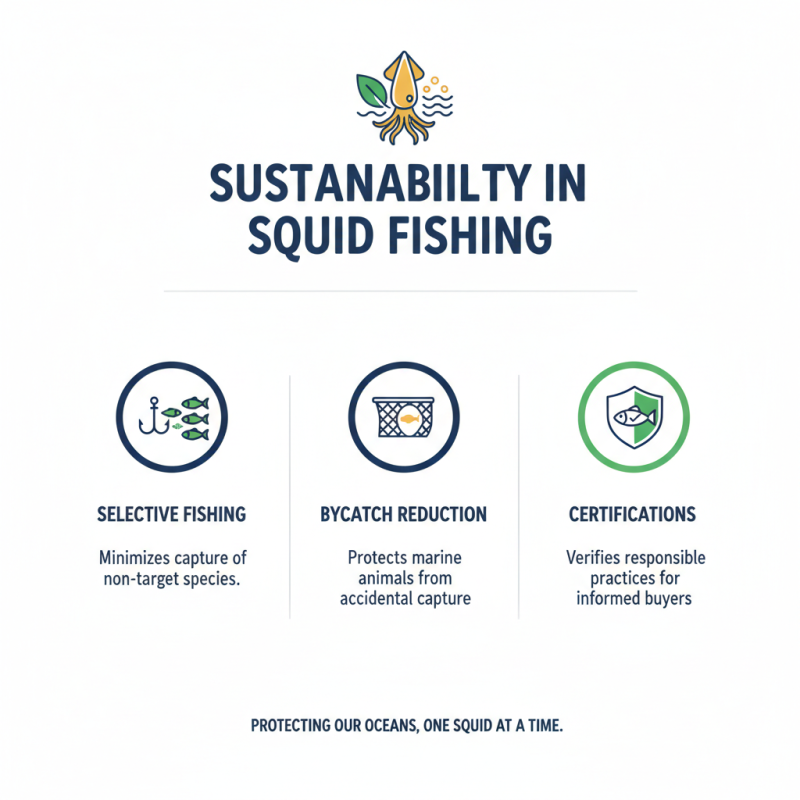
As buyers look toward 2026, understanding the best sources and types of squid seafood is crucial. Diverse suppliers, particularly from Asia and South America, dominate the market, offering various processing methods. However, challenges such as overfishing and sustainability concerns must be addressed. Reports indicate that approximately 30% of global fish stocks are overexploited. Buyers need to ensure responsible sourcing to maintain a healthy ecosystem.
In exploring this seafood category, buyers should focus on quality and ethical practices. The squid market is vast, with options ranging from fresh to frozen products. Each type presents a unique set of advantages and culinary possibilities. However, making informed decisions requires careful consideration of suppliers and their practices, as not all meet the same standards of quality and sustainability. This demands a critical approach to sourcing squid seafood.

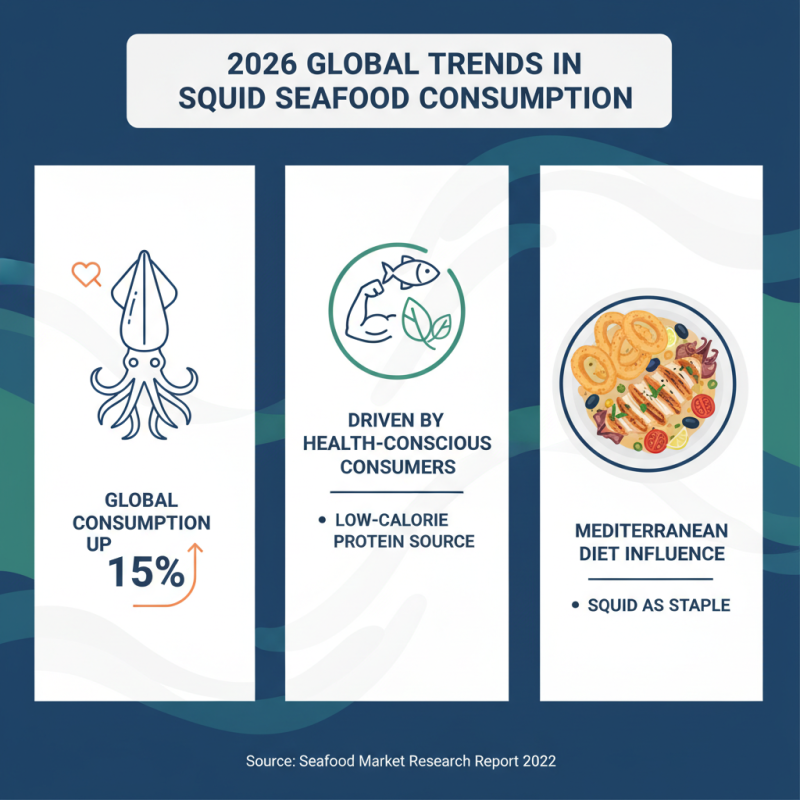
2026 Global Trends in Squid Seafood Consumption
As we look ahead to 2026, squid seafood consumption is set to undergo significant changes globally. According to the Seafood Market Research Report 2022, there has been a 15% increase in squid consumption across major markets, primarily driven by health-conscious consumers seeking low-calorie protein sources. This trend is reinforced by the burgeoning popularity of Mediterranean diets, which have incorporated squid as a staple.
Surprisingly, while demand rises, supply chain issues persist. The FAO reports that overfishing in key regions is a concern. This presents sustainability challenges for suppliers. A shift towards aquaculture could mitigate some risks, but the transition requires time and investment. Some countries have begun exploring sustainable farming practices to balance demand and environmental impact. However, not all markets are prepared for this change.
Cultural influences also shape consumption patterns. Countries in Southeast Asia have traditional dishes that incorporate squid, driving local demand. Yet, reports suggest that younger generations in Western countries show less interest in seafood consumption, with only 30% regularly eating seafood. Bridging this gap will be crucial for industry growth. Therefore, identifying innovative ways to engage younger consumers in seafood choices could be beneficial.
Key Markets for Squid Seafood: Insights and Analysis
The global squid seafood market is evolving rapidly. Various regions are recognizing the benefits of squid as a versatile ingredient. Key markets, like Asia and Europe, showcase a growing demand, particularly in processed formats. Chefs and consumers alike are embracing squid in many culinary applications. Its appeal goes beyond mere taste; it also offers nutritional benefits.
In Asia, the consumption of squid is deeply rooted in culinary traditions. From street vendors to high-end restaurants, squid dishes abound. The rising popularity of Asian cuisine globally has further fueled demand. Meanwhile, in Europe, a shift towards sustainable seafood has led to increased interest in responsibly sourced squid products. However, challenges remain. Overfishing and environmental concerns pose risks to future supply.
Buyers must navigate these complexities when sourcing squid seafood. Market trends indicate a consistent rise in demand. Still, quality and sustainability should remain a priority. Uncertainties in sourcing could affect pricing and availability. Understanding these dynamics is crucial for successful purchases in the squid seafood market. As buyers engage with suppliers, attention to these factors will ensure informed decisions.
2026 Best Squid Seafood Market Insights
Nutritional Benefits of Squid: A Buyer’s Perspective
Squid is gaining popularity for its nutritional benefits, making it an attractive option for buyers worldwide. According to the Food and Agriculture Organization (FAO), squid is rich in protein, offering about 18 grams of protein per 100 grams. It is also low in calories, with approximately 92 calories per serving. This nutrient profile is appealing for health-conscious consumers, especially in the growing trend toward lean protein sources.
In addition to its protein content, squid is an excellent source of essential minerals. It contains significant amounts of potassium, phosphorus, and selenium, which play vital roles in bodily functions. A report by the National Fisheries Institute highlights that seafood consumption, including squid, can contribute to better cardiovascular health. The omega-3 fatty acids found in squid can reduce inflammation and benefit heart health. However, not all squid products provide the same health benefits. Some may have higher sodium content or be processed in unhealthy ways.
Potential buyers should consider sourcing squid from reliable suppliers who emphasize sustainability and nutritional quality. Balancing taste and health is important, but there are complexities in the seafood supply chain that warrant careful evaluation. Ensuring that squid is sustainably harvested can sometimes come at a cost. As demand increases, buyers must reflect on how to maintain ethical standards while meeting consumer preferences.
Innovations in Squid Seafood Products for the Global Market
Innovations in squid seafood products are transforming the global market. Chefs and consumers are looking for new flavors and experiences. Recent trends include the development of frozen squid that retains freshness longer. This allows seafood to travel vast distances without losing quality.
Tip: Explore local markets to discover innovative squid products. Fresh options may surprise you.
Another exciting trend is the use of squid in health-focused meals. Organizations are developing high-protein, low-calorie squid snacks. These offer delicious alternatives to traditional junk food. Innovations like squid chips are gaining popularity for their savory taste and nutrition profile.
Tip: Incorporate squid into everyday recipes. Try adding it to salads or stir-fries for a nutritious boost.
Packaging innovations are equally important. Sustainable, eco-friendly packaging is attracting buyers. The seafood industry is responding to environmental concerns. Consumers value products that minimize waste and use recyclable materials. With these advancements, the market is seeing an influx of eco-conscious buyers.
2026 Best Squid Seafood for Global Buyers Insights
| Product Type |
Market Region |
Innovation Type |
Projected Growth (%) |
Sustainability Rating (1-5) |
| Frozen Squid Rings |
North America |
High Pressure Processing |
7% |
4 |
| Canned Squid |
Europe |
Bio-Preservation Techniques |
5% |
3 |
| Squid Snacks |
Asia Pacific |
Smart Packaging |
10% |
5 |
| Squid Marinades |
Middle East |
Flavor Enhancement |
6% |
4 |
| Dried Squid |
South America |
Dehydration Techniques |
4% |
3 |