Inquiry
Form loading...

Top 10 Benefits of Using Frozen Squid Meat in Your Cooking

Frozen Squid Meat has surged in popularity within the culinary world, driven by its versatility and myriad health benefits. According to a report by the National Oceanic and Atmospheric Administration (NOAA), seafood consumption in the United States has seen a notable increase, with squid being one of the contenders contributing to this rise. Its rich flavor profile and unique texture make it an indispensable ingredient in various cuisines, from traditional Asian dishes to modern Mediterranean creations.

In the realm of nutrition, Frozen Squid Meat stands out as an excellent source of lean protein, essential vitamins, and minerals, boasting a significant omega-3 fatty acid content. Research from the FDA indicates that regular consumption of seafood can lower the risk of heart disease and improve overall health. Furthermore, the convenience of Frozen Squid Meat enables home cooks and professional chefs alike to create gourmet meals with ease, as it retains its freshness and flavor, making it an ideal choice for busy kitchens focused on health-conscious dining.

As we explore the top 10 benefits of incorporating Frozen Squid Meat into your cooking, it becomes evident that this ingredient not only elevates culinary experiences but also supports a sustainable diet that is rich in nutrients and flavors.

Top 10 Benefits of Using Frozen Squid Meat in Your Cooking

Nutritional Advantages of Frozen Squid Meat: A High-Protein Choice for Healthier Meals

Frozen squid meat has gained popularity in kitchens worldwide, primarily due to its remarkable nutritional profile. A 100-gram serving of squid offers about 16 grams of protein, making it an excellent high-protein choice. According to the USDA's FoodData Central, squid is not only low in calories, with approximately 92 calories per 100 grams, but it also contains essential vitamins and minerals. It is particularly rich in vitamin B12 and selenium, both vital for maintaining energy levels and supporting immune function.

Incorporating frozen squid into your meals can enhance nutrient intake significantly. The Marine Stewardship Council (MSC) highlights that seafood, including squid, is a source of Omega-3 fatty acids, which are essential for cardiovascular health. Regular consumption of such nutrient-dense foods can contribute to a well-rounded diet that supports overall well-being. Furthermore, frozen squid is a versatile ingredient that can easily be added to various dishes, ensuring that obtaining high-quality protein does not compromise flavor or convenience in cooking.

Cost-Effectiveness of Frozen Squid Meat: Budget-Friendly Seafood for Every Household

Frozen squid meat offers a cost-effective solution for households looking to incorporate seafood into their diets without breaking the bank. According to recent industry reports, the average cost of fresh seafood can be significantly higher than that of frozen options, making frozen squid an appealing choice, especially for families on a budget. Research indicates that using frozen seafood can reduce overall meal costs by up to 30%, while still providing high-quality protein and essential nutrients. This affordability aligns with the rising consumer demand for budget-friendly nutritious food sources, particularly in the wake of recent economic fluctuations.

Moreover, the convenience of frozen squid meat allows it to be easily integrated into a variety of dishes, from stir-fries to pastas. Nutritional assessments indicate that squid is not only low in calories but also rich in vitamins and minerals, making it a smart addition to any household's pantry. Recent trends show that Australian households are increasingly leaning towards frozen seafood as part of their Christmas meal planning, highlighting its practicality in both preparation and cost savings. This shift towards frozen options emphasizes the growing recognition of frozen squid meat as a sustainable and economical choice for delicious home-cooked meals.

Top 10 Benefits of Using Frozen Squid Meat in Your Cooking

This chart illustrates the top ten benefits of using frozen squid meat in your cooking, highlighting its cost-effectiveness and various advantages such as nutritional value and convenience. Each benefit is scored on a scale from 1 to 10, showcasing the overall value of incorporating frozen squid meat into your meals.

Convenience in Cooking: Time-Saving Benefits of Using Frozen Squid Meat

Using frozen squid meat in your cooking offers remarkable convenience that can significantly reduce meal prep time. With busy lifestyles becoming the norm, having readily available ingredients like frozen squid can streamline your dinner routines. According to a report by the National Fisheries Institute, consumers noted that having frozen seafood on hand cuts meal prep time by up to 30%. This allows home chefs to whip up delicious dishes without the hassle of shopping for fresh squid, which can be difficult to find or may require cleaning and preparation time.

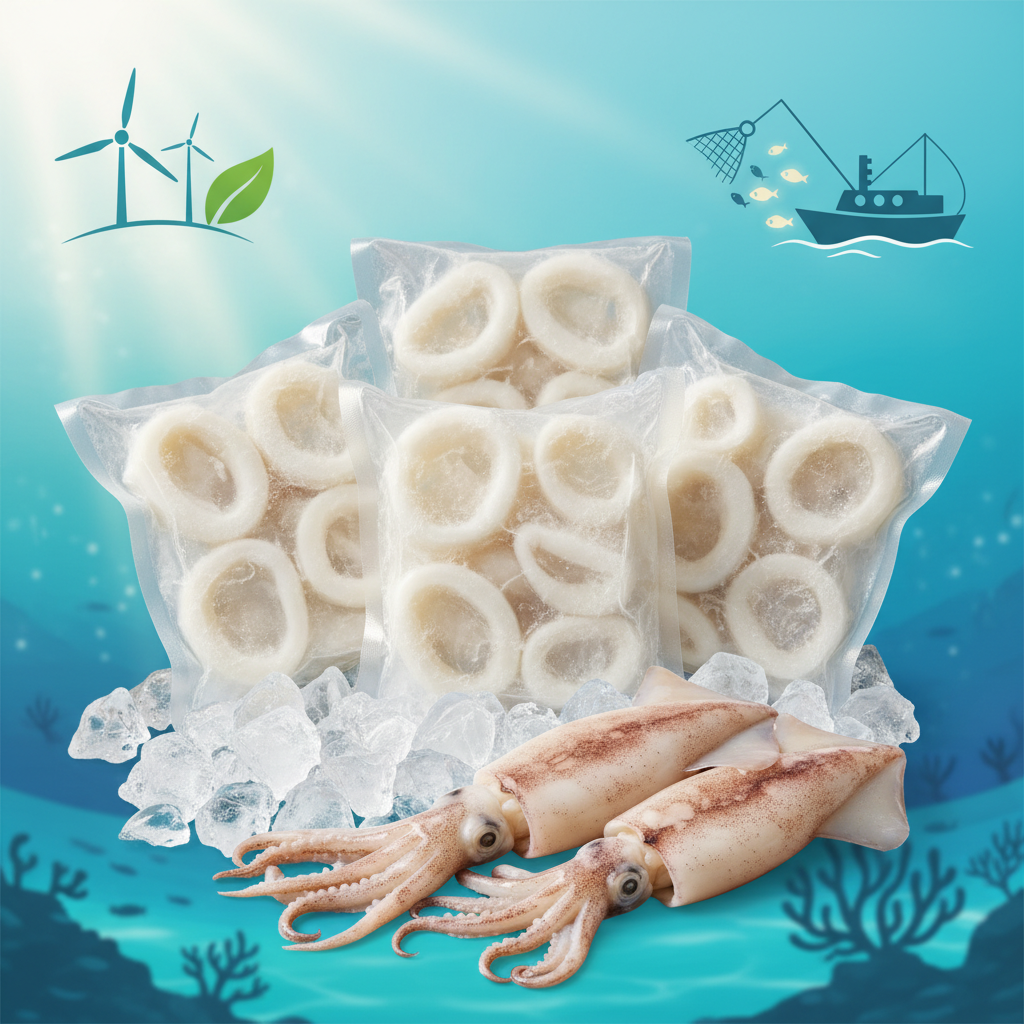
When using frozen squid, it's essential to defrost it properly to maintain its texture and flavor. A quick tip is to place the vacuum-sealed squid in cold water for about 30 minutes; this prevents a rubbery texture often associated with improper thawing. Additionally, incorporating frozen squid into stir-fries, soups, or pasta dishes can make weeknight dinners both simple and flavorful. With the right handling, frozen squid can deliver the same nutritional value as fresh options—boosting your meals with protein and omega-3 fatty acids.

For those looking to save even more time, try marinating the squid while it's still frozen. This step infuses the flavors deeply and allows for quick cooking once it's thawed. Whether it's in a seafood paella or a classic calamari dish, frozen squid meat is a versatile choice that enhances convenience in the kitchen.

Sustainability Practices in Frozen Seafood: Environmental Impact of Choosing Frozen Squid Meat

Top 10 Benefits of Using Frozen Squid Meat in Your Cooking

When considering the environmental impact of seafood consumption, frozen squid meat emerges as a sustainable option. The freezing process helps preserve the nutritional content and flavor of the squid, while also extending its shelf life. This can lead to reduced food waste, as consumers are less likely to discard leftover products. Furthermore, when squid is sourced from responsible fisheries that follow sustainable practices, it minimizes overfishing and helps maintain marine biodiversity.

Choosing frozen squid meat also contributes to lower carbon footprints compared to fresh options. Transporting frozen seafood can be more energy-efficient, especially when sourced from local or well-managed fisheries. This practice not only supports local economies but also reduces greenhouse gas emissions associated with transportation. By selecting frozen squid, consumers can make a conscientious choice that positively impacts ocean health and promotes sustainable fishing practices, ensuring that squid populations remain stable for future generations.

Culinary Versatility: How Frozen Squid Meat Can Enhance Global Cuisine Dishes

Frozen squid meat is a culinary treasure that offers remarkable versatility in enhancing dishes from around the globe. Its unique texture and mild flavor allow it to seamlessly blend into a myriad of cuisines, from Mediterranean to Asian. In Italian cooking, for instance, frozen squid can be transformed into sumptuous calamari rings, delivering a delightful crunch when fried. Meanwhile, in Asian recipes, it serves as a perfect protein addition to stir-fries and ramen, soaking up the rich flavors of sauces and broths.

The adaptability of frozen squid meat also extends to fusion cooking, where traditional recipes can be reinvented. Chefs can experiment by incorporating squid into tacos or sushi, bridging cultures and creating exciting new flavor profiles. Additionally, its ease of preparation makes it accessible for home cooks, encouraging culinary creativity. Whether grilled, sautéed, or added to stews, frozen squid meat not only enriches meals but also invites exploration, allowing culinary enthusiasts to embrace global flavors right from their kitchens.

Top 10 Benefits of Using Frozen Squid Meat in Your Cooking

Benefit Description Nutritional Value (per 100g)
Culinary Versatility Can be used in various dishes from different cuisines like Mediterranean, Asian, and more. Cal: 92, Protein: 15.6g, Fat: 1.0g, Carbs: 2.2g
Long Shelf Life Frozen squid meat can be stored for months without losing quality. Cal: 92, Protein: 15.6g, Fat: 1.0g, Carbs: 2.2g
Easy to Prepare Quick thawing and fast cooking times make it convenient for busy cooks. Cal: 92, Protein: 15.6g, Fat: 1.0g, Carbs: 2.2g
Rich in Nutrients Contains essential vitamins and minerals beneficial for health. Cal: 92, Protein: 15.6g, Fat: 1.0g, Carbs: 2.2g
Low in Calories A suitable option for those looking to maintain or lose weight. Cal: 92, Protein: 15.6g, Fat: 1.0g, Carbs: 2.2g
Sustainable Option Often sourced from sustainably managed fisheries. Cal: 92, Protein: 15.6g, Fat: 1.0g, Carbs: 2.2g
Cost-Effective Generally cheaper than fresh squid, making it more accessible. Cal: 92, Protein: 15.6g, Fat: 1.0g, Carbs: 2.2g
Versatile Cooking Methods Can be grilled, sautéed, fried, or used in soups and stews. Cal: 92, Protein: 15.6g, Fat: 1.0g, Carbs: 2.2g
Enhances Flavor Delivers a unique umami flavor to dishes, elevating the overall taste. Cal: 92, Protein: 15.6g, Fat: 1.0g, Carbs: 2.2g