How to Buy Frozen Fishballs for Your Business in 2026?
In the bustling food industry, Frozen Fishballs are gaining traction as a versatile staple. The global market for frozen seafood is projected to grow at a CAGR of 4.5% from 2022 to 2026, with fishballs leading the popularity surge. This reflects a shift in consumer preferences towards convenient, ready-to-cook options that preserve taste and nutrition.
When considering suppliers for Frozen Fishballs, understanding quality is essential. It influences both taste and customer satisfaction. Reports indicate that 67% of chefs prioritize quality when selecting frozen seafood. Ensuring sustainability in sourcing is also critical. More consumers demand responsibly sourced seafood. Brands that meet these expectations will likely see increased loyalty and sales.
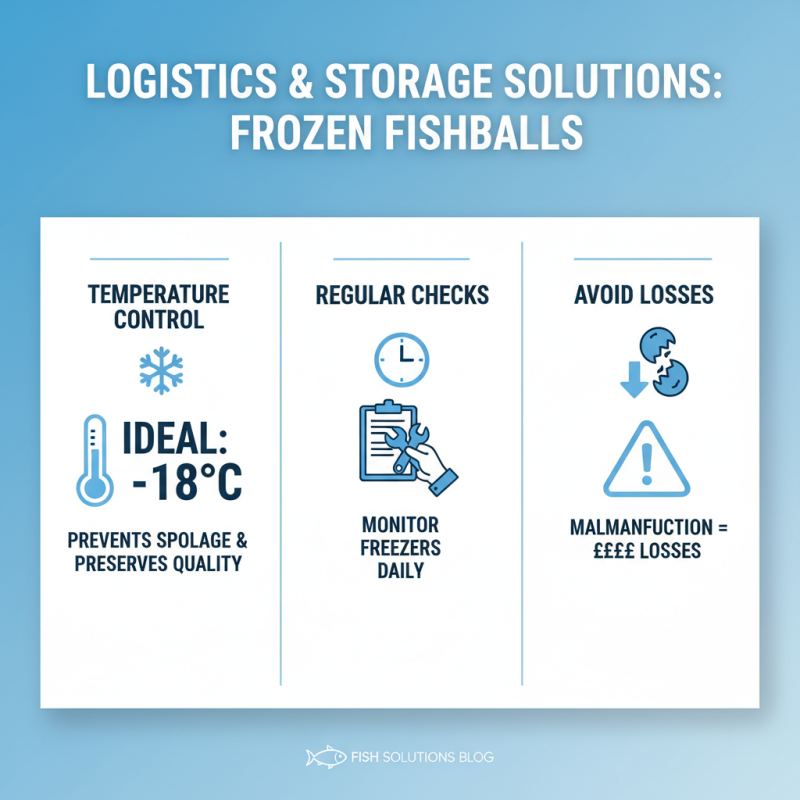
In 2026, proper storage and handling practices are vital. Many businesses overlook this aspect, risking product quality. Adhering to industry standards can be a game changer. Recognizing key trends and challenges in the frozen fishball market will empower your business for success. Being informed impacts not only profit margins but also the dining experience for customers.

Understanding the Market Demand for Frozen Fishballs in 2026
The frozen fishball market in 2026 shows promising growth. As consumers seek convenient protein sources, demand is rising. Fishballs are versatile and easy to prepare. They fit well into busy lifestyles, making them a popular choice for many. Offering different flavors can attract a broader audience. People enjoy variety, so it’s key to keep that in mind.
Market research reveals trends in consumer preferences. Younger generations are more health-conscious. They look for products high in omega-3 fatty acids. Sustainable sourcing is also important. Many customers prefer eco-friendly options. This influences purchasing decisions significantly. It’s crucial to consider these demands when buying frozen fishballs.
Quality remains a major concern. Not all products are created equal. Consumers are increasingly discerning about texture and taste. Suppliers must ensure consistent quality to maintain customer loyalty. Keeping an eye on competitors helps identify gaps in the market. Reflecting on these details can lead to better business decisions.
Evaluating Suppliers and Manufacturers of Frozen Fishballs
When looking for suppliers of frozen fishballs, start with reliability. Evaluate their production processes. Responsible manufacturers often follow strict health and safety standards. Ask for certifications. These documents can indicate the quality of their products. A transparent supply chain is essential, so always inquire about sourcing.
Visit potential suppliers if possible. Direct observation offers insights that documents cannot. Notice hygiene practices in production facilities. Engage with their staff to assess expertise. Sample products to judge quality. If the fishballs don’t meet your standards, it’s acceptable to look elsewhere.
Consider the volume you require. Some suppliers operate on a small scale. They may not meet larger orders. Be clear about your needs. Reflecting on past suppliers can be informative. Did they deliver on time? Did their quality fluctuate? Use these reflections to guide your choice.
Assessing Quality Standards and Certifications for Frozen Fishballs
When sourcing frozen fishballs for your business, quality standards matter. Certifications help ensure you’re getting a safe, reliable product. Look for certifications that indicate sustainability or ethical practices. These can guide you in making better choices.
Evaluate the supplier’s quality assurance processes. Does the supplier follow strict hygiene protocols? Assess their handling methods. Quality affects not just taste but also customer satisfaction. Always ask for documentation of their quality practices.
Tips: Request samples before purchasing. Taste and texture are crucial indicators of quality. Check the labeling for allergen information. Engage with your suppliers; they can provide insights into sourcing practices. Reflect on your priorities when choosing a supplier. Balancing cost and quality can be challenging, but it’s essential for long-term success.
Quality Standards and Certifications for Frozen Fishballs in 2026
Cost Analysis and Budgeting for Bulk Purchases of Frozen Fishballs
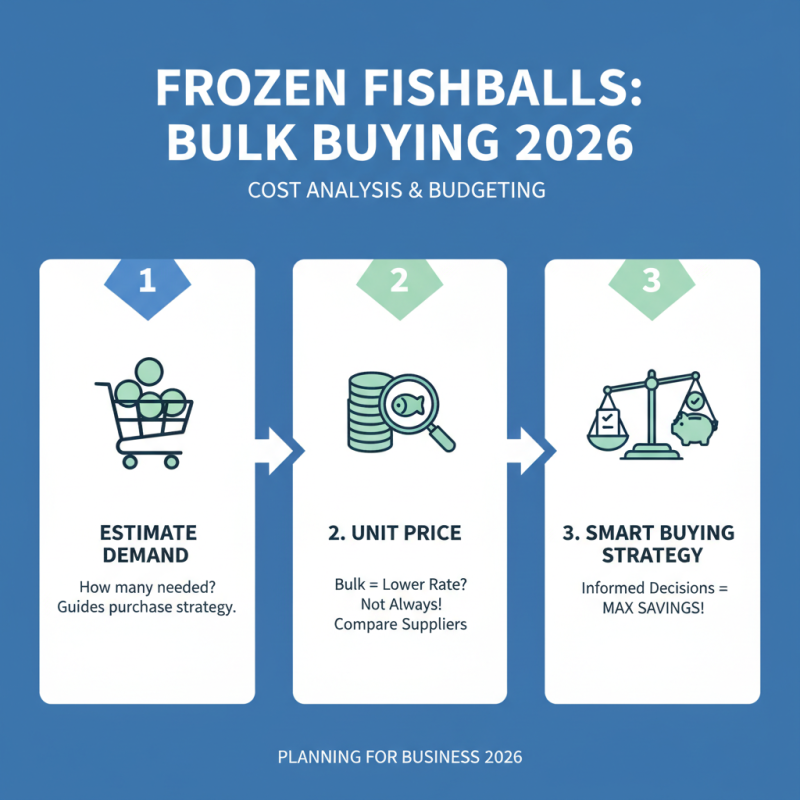
When planning to purchase frozen fishballs for your business in 2026, cost analysis is crucial. Start by estimating your demand. How many fishballs do you need? This will guide your purchasing strategies. Next, consider the price per unit. Bulk purchases generally offer lower rates, but they're not always the best. Compare suppliers carefully to make informed decisions.
Budgeting plays a significant role in maximizing savings. Allocate funds ahead of time and track expenditures. Keep an eye on seasonal changes, as prices may fluctuate. Having a flexible budget allows for adjustments when necessary. Factor in shipping costs, storage, and potential spoilage. These additional expenses can add up quickly.
It’s easy to overlook hidden costs. Assess your current inventory. Discrepancies can lead to overbuying or understocking. Regularly review vendor contracts for any clauses. This can prevent unexpected costs. Engaging with industry experts can provide insights that enhance your purchasing decisions.