How to Buy Frozen Squid Flower for Your Business Needs?
In the world of seafood, the demand for high-quality Frozen Squid Flower is rising. Industry expert Dr. Emily Chen, renowned for her work in seafood supply chains, emphasizes, “The quality of frozen squid flower can significantly affect your menu and profits.” This highlights the importance of sourcing reliable products for business needs.
Frozen Squid Flower is not just a culinary ingredient; it represents a crucial business asset. Restaurants, food distributors, and processors must ensure they acquire the best quality available. Many businesses struggle with quality variations, which can lead to customer dissatisfaction. Selecting the right suppliers is essential to mitigate these risks.
Understanding the sourcing journey of Frozen Squid Flower can be complex. Factors such as freshness, processing methods, and packaging play vital roles. Careful evaluation of suppliers is necessary to ensure quality and sustainability. Reflection on past purchasing experiences can reveal areas for improvement.
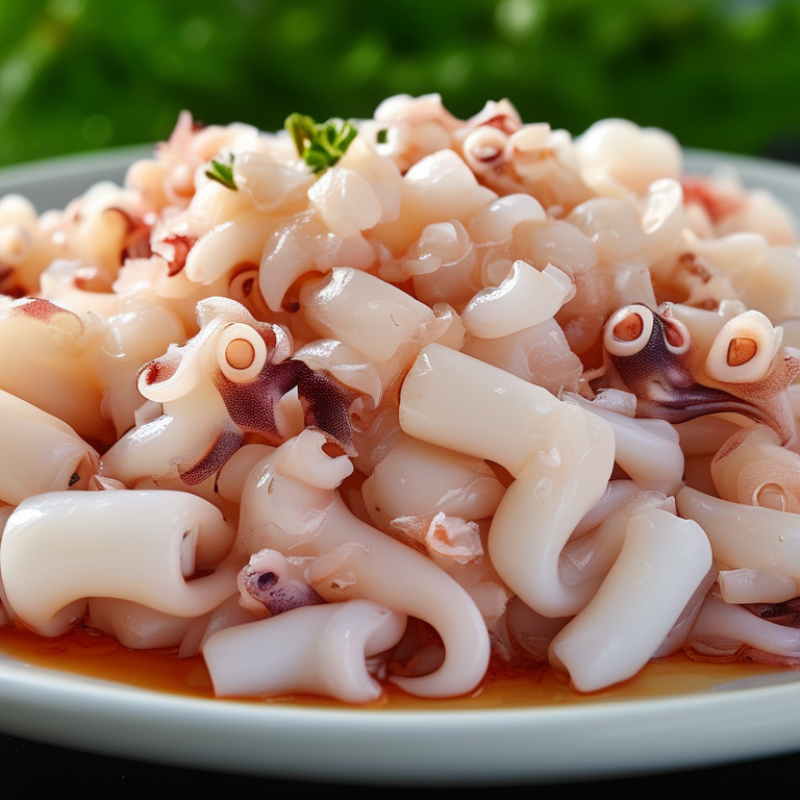
Understanding Frozen Squid Flower and Its Market Demand
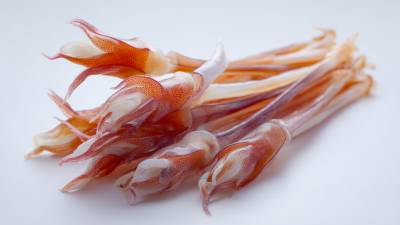
Frozen squid flower has gained popularity in various culinary applications. Its unique texture and flavor make it a preferred choice for many restaurants.
Understanding the market demand is crucial for businesses looking to purchase this product.
According to recent industry reports, the global frozen seafood market is projected to grow at a CAGR of 4.5% from 2021 to 2026. This growth indicates a rising demand for frozen squid and other seafood products.
In addition, data from seafood trade associations reveal that the consumption of squid increased by 15% over the past two years. This surge is attributed to the growing awareness of the health benefits associated with seafood.
Squid is a rich source of protein and contains essential vitamins and minerals. For chefs and food entrepreneurs, tapping into this trend can be beneficial. It presents an opportunity to attract health-conscious consumers with diverse menu options.
However, purchasing frozen squid flower may come with challenges.
Quality inconsistencies can arise depending on the supplier. Additionally, market prices can fluctuate due to seasonal availability and fishing yields.
Businesses must conduct thorough research to establish reliable connections. They should consider suppliers that offer transparent sourcing practices and quality assurances.
Balancing cost with quality can be tricky but is vital for long-term success.
Identifying Reliable Suppliers for Frozen Squid Flower
When looking for suppliers of frozen squid flower, reliability matters. Research is key. Start by searching online directories that list seafood suppliers. These platforms often feature reviews and ratings. Focus on suppliers who have a strong presence in the industry. They are more likely to understand your needs.
Reach out to potential suppliers. Ask about their sourcing methods and shipping practices. A supplier's transparency can reveal their commitment to quality. Quality checks are essential. Inquire if they follow specific standards. This helps ensure that you receive the best products.
Consider visiting suppliers if possible. A site visit provides insight into their operations. This can help you gauge their capabilities. Ask for samples before committing. Review their quality, taste, and freshness. Look for imperfections that could indicate larger issues. Trust your instincts; a good supplier should inspire confidence.
How to Buy Frozen Squid Flower for Your Business Needs? - Identifying Reliable Suppliers for Frozen Squid Flower
| Supplier Location |
Quality Rating |
Minimum Order Quantity |
Price per KG ($) |
Delivery Time (Days) |
Payment Terms |
| Thailand |
4.5/5 |
100 KG |
15.00 |
10 |
50% upfront |
| China |
4.2/5 |
200 KG |
12.50 |
14 |
Full payment upfront |
| Japan |
4.8/5 |
150 KG |
18.00 |
7 |
30% upfront, 70% on delivery |
| South Korea |
4.0/5 |
250 KG |
13.00 |
12 |
60% upfront |
Evaluating Quality Standards in Frozen Seafood Products
When considering frozen squid flower, evaluating quality standards is crucial. According to the Seafood Source report, around 30% of seafood products fail to meet quality expectations. These figures highlight the need for stringent quality checks when sourcing.
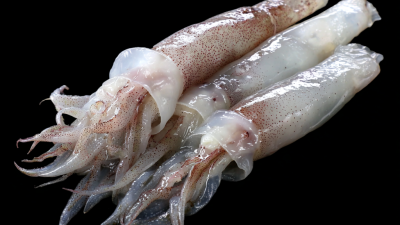
Start by assessing the appearance of the squid flower. Fresh, high-quality products should have a bright, translucent appearance with minimal ice glaze. A dull color indicates age or poor storage conditions. Texture is also vital. Look for firm and elastic squid, which indicates proper handling.
Smell is an often-overlooked factor. A strong fishy odor usually suggests spoilage. Reliable suppliers should provide transparency regarding their sourcing and processing methods. Industry standards demand routine inspections and certifications to ensure quality. Understanding these aspects helps businesses make informed decisions, ultimately enhancing consumer trust and satisfaction.
Frozen Squid Flower Quality Evaluation
Best Practices for Storing and Handling Frozen Squid Flower
When handling frozen squid flower, proper storage and care are crucial. Start by ensuring your freezer operates at a consistent temperature of -18°C (0°F) or lower. This helps preserve the squid’s texture and flavor. Use airtight packaging to minimize exposure to air, which can lead to freezer burn. Avoid stacking too much on top of it; this can damage delicate pieces.
Thawing the squid flower requires attention. The best method is to transfer it to the refrigerator for several hours or overnight. This slow thawing method maintains quality and safety. Avoid using hot water or microwave methods, as they can affect the texture. Always wash your hands and surfaces thoroughly before and after handling the squid. This practice minimizes contamination risks.
Once thawed, use the squid flower within 24 hours. If any pieces feel slimy or have an off smell, discard them. Inspecting each piece ensures you maintain quality standards. In industry settings, train your staff regularly on these practices. Consistency in handling allows businesses to deliver a superior product. Reflection on these processes is essential; it helps improve and uphold high standards.
Cost Analysis and Budgeting for Squid Flower Purchases
When considering the purchase of frozen squid flower, understanding the cost is essential. Various factors influence pricing, including quality, source, and seasonality. Often, high-quality seafood may come at a premium. Knowing your supplier’s reputation can guide you in assessing the value.
Creating a budget requires careful analysis. Calculate your expected order size based on demand. Take shipping and storage costs into account, as these can add up quickly. Delays in delivery can lead to spoilage and additional waste. This reality forces buyers to reflect on their inventory management practices.
Market trends can also affect pricing. Stay informed about fluctuations in seafood prices. Engaging with suppliers or industry reports can provide insights into upcoming changes. Reflect on past purchasing decisions to avoid costly mistakes. By refining your approach, you can enhance profitability while meeting consumer needs.