How to Buy Frozen Squid Rings for Your Seafood Business?
When considering how to buy frozen squid rings for your seafood business, understanding the market is crucial. Frozen squid rings are a popular choice in many cuisines. They offer versatility and convenience for various dishes. However, sourcing them requires careful attention to quality and supplier reliability.
The seafood market can be competitive. Not all frozen squid rings are created equal. Some may lack flavor or texture due to poor freezing processes. It’s vital to evaluate potential suppliers thoroughly. Look for those who demonstrate experience and specialization in frozen seafood. This ensures you receive high-quality products that meet customer expectations.
Purchasing frozen squid rings can feel daunting at times. There are many factors to consider, including price, sourcing methods, and sustainability. Be wary of choosing options solely based on cost. Prioritizing quality can lead to better satisfaction for your customers. Remember, not every supplier will be a perfect fit; reflection on your choices is important.
Understanding the Different Types of Frozen Squid Rings Available
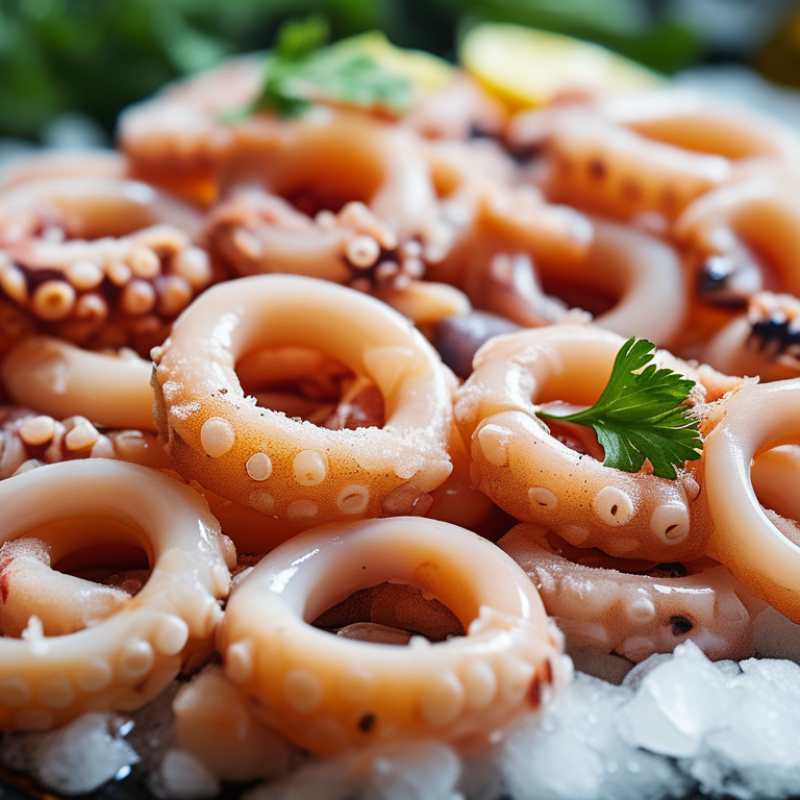
When venturing into the seafood business, understanding the different types of frozen squid rings available is crucial. Squid rings, produced mainly from species like European squid and Pacific squid, vary significantly in size, texture, and flavor. Industry reports indicate that the global frozen seafood market, expected to reach $24 billion by 2025, shows a rising trend in the consumption of squid products. This underscores the importance of choosing the right variety.
The most common types of frozen squid rings include breaded, unbreaded, and calamares-style offerings. Breaded rings are popular in restaurants, providing a crispy texture when fried. Unbreaded rings are often favored for their flexibility in culinary applications, allowing for various seasonings and cooking methods. Notably, calamares-style rings tend to be thicker, appealing to consumers who prefer a hearty bite. A recent study found that nearly 40% of seafood consumers prefer breaded options, highlighting market demand.
While sourcing these products, consider quality indicators like freshness and packaging integrity. Those criteria can significantly influence the product’s shelf life and taste. Yet, businesses often overlook the importance of verifying suppliers. Inconsistent quality could lead to customer dissatisfaction, pointing to a need for diligent research and supplier audits. Employing best practices in sourcing can help mitigate these risks.
Evaluating Quality Indicators When Purchasing Frozen Squid Rings
When purchasing frozen squid rings, evaluating quality indicators is crucial for your seafood business. Freshness remains a top priority. Look for squid rings that maintain a firm texture and a bright, white appearance. Any discoloration or ice crystals on the packaging could indicate freezer burn or prolonged storage. These factors can affect taste and quality.
Tips: Always check the packaging date. It should be recent to ensure optimal freshness. Make a habit of inspecting the texture and color before finalizing your purchase.
Another important factor is the smell. Fresh squid rings should have a clean, mild scent. A strong fishy odor can signal spoilage. Trust your instincts when gauging quality.
Tips: Consult suppliers with a strong reputation in seafood. Their expertise can guide you to better choices. Regularly evaluate your sources to ensure they meet high standards consistently.
How to Buy Frozen Squid Rings for Your Seafood Business? - Evaluating Quality Indicators When Purchasing Frozen Squid Rings
| Quality Indicator |
Description |
Evaluation Criteria |
Optimal Value |
| Color |
Should be bright and uniform without any discoloration. |
Visual inspection of the squid rings. |
Bright white or pinkish hue |
| Texture |
Firm and elastic when pressed. |
Physical touch test for firmness. |
Firmer than soft or mushy |
| Odor |
Fresh with a mild sea smell. |
Sniff test for any off-putting odors. |
Mild sea or ocean scent |
| Frozen State |
Should be frozen solid without any ice buildup. |
Check for ice crystals or freezer burn. |
No visible ice or frost |
| Size |
Uniform size for even cooking. |
Measurement of squid rings. |
Consistent diameter (around 1 inch) |
Finding Reliable Suppliers for Frozen Squid Rings
When sourcing frozen squid rings, finding reliable suppliers is crucial for your seafood business. Start by researching local and international suppliers. Look for those with good industry reputation and positive customer reviews. A strong supply chain can affect the freshness and quality of your products. Visit potential suppliers to evaluate their facilities. Observe their handling practices and storage conditions.
Communication is key in building a relationship with suppliers. Ask about their quality control processes and sourcing methods. Transparency in these areas builds trust. Additionally, consider their responsiveness to inquiries. If a supplier ignores your questions, it may indicate future communication issues.
Be cautious of low prices. Extremely cheap squid rings could mean compromised quality. It’s essential to balance cost with quality. Request samples before committing to larger orders. This will give you insight into their product. Investing time in supplier selection can save you from headaches down the line. Evaluate your choices carefully to ensure long-term success in your seafood business.
Negotiating Pricing and Terms for Bulk Purchases
When negotiating pricing and terms for bulk purchases of frozen squid rings, it's crucial to establish a solid foundation with suppliers. Begin by researching different suppliers in the seafood industry. Understand their reputations and previous customer feedback. Look for those known for quality and reliability. This groundwork will bolster your position during negotiations.
Once you've identified potential suppliers, approach them with a clear outline of your needs. Specify the volume of squid rings you require. Mention your desired price range. Transparency is key. Don't shy away from expressing concerns about pricing. Some suppliers may initially set high prices. Be prepared to negotiate. Ask about discounts on larger orders or incentives for long-term partnerships.
It's essential to discuss payment terms as well. Propose flexible payment options to ease cash flow. Consider negotiating for smaller upfront payments, especially if you are trying a new supplier. Ensure you have a clear delivery schedule in place to avoid future disputes. Combine this with setting expectations regarding quality checks upon receipt. Addressing these aspects upfront can save time and frustration later on. Ultimately, fostering a relationship built on trust and clear communication will benefit both parties in the long run.
Frozen Squid Rings Pricing Comparison
Establishing Proper Storage and Handling Guidelines for Frozen Squid Rings
When dealing with frozen squid rings, proper storage and handling are crucial for quality and safety. A temperature of -18°C (0°F) or lower is essential to maintain freshness. Regularly check the freezer’s temperature with a reliable thermometer. Temperature fluctuations can compromise the quality of the squid rings. Label each shipment with the date received to ensure proper rotation based on the first-in, first-out principle.
Handling frozen squid requires attention to hygiene. Wash hands and surfaces thoroughly before touching the seafood. Use clean utensils and containers to avoid cross-contamination. Thawing should be done in the refrigerator or under cold running water, not at room temperature. This practice will minimize bacterial growth and preserve the flavor of the squid.
After cooking, ensure any leftovers are cooled quickly and stored at a safe temperature. If not used, squid rings can spoil rapidly. Be mindful of the signs of spoilage, such as an off odor or changed texture. These guidelines will help maintain quality and protect customer health, reinforcing the trust your seafood business builds with every order.