How to Choose the Best Frozen Fish Balls for Your Business?
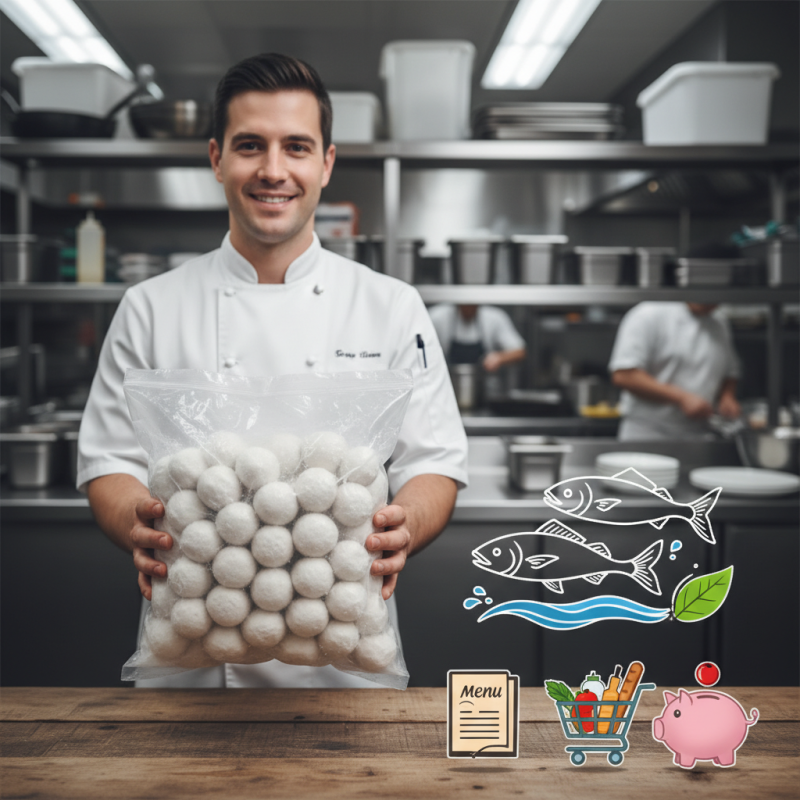
Choosing the best Frozen Fish Balls for your business is crucial. These products can greatly influence your menu and overall sales. Quality matters when selecting suppliers. You want fish balls that offer great taste and texture. Consider the origin of the fish. Sustainability is another important factor. Consumers are more aware of this than ever.
The packaging can also impact your business. Attractive packaging impresses customers and maintains freshness. Pay attention to portion sizes. This will affect your pricing strategy and waste management. Finding the right balance might take time and reflection.
Building relationships with suppliers can lead to better deals and insights. Face challenges head-on. Not every supplier will meet expectations. It’s vital to learn from experiences and adjust your criteria. An informed decision will enhance your menu, attract more customers, and ultimately grow your business.
Understanding Different Types of Frozen Fish Balls Available in the Market
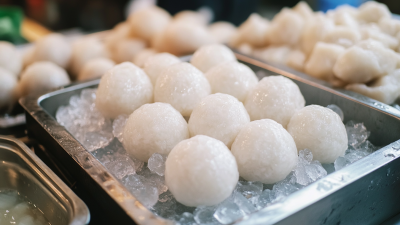
When selecting frozen fish balls for your business, understanding the types available is crucial. Fish balls can vary widely based on ingredients and preparation methods. Common types include traditional fish balls, which are made from a single type of fish blended with starch. They offer a chewy texture and are versatile in dishes.
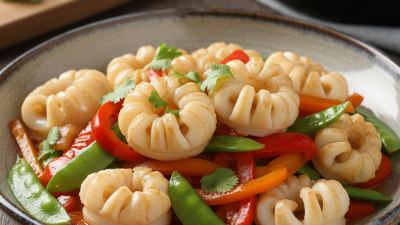
Another option is the mixed fish ball, incorporating different seafood blends. These offer a unique flavor profile, making them suitable for fusion cuisine. Some fish balls are pre-seasoned, saving preparation time. However, the seasoning could overpower delicate dishes.
Quality is key in frozen fish balls. Look for options made from fresh fish and minimal additives. This often leads to a cleaner taste. Paying attention to production methods can make a big difference. Consider sourcing from reputable suppliers who prioritize quality and sustainability. While price is a factor, investing in quality will yield better dishes and customer satisfaction. Balancing cost and quality requires careful thought and decision-making.
Comparative Analysis of Different Types of Frozen Fish Balls
Evaluating Quality: Key Factors to Look for in Frozen Fish Balls
When selecting frozen fish balls for your business,
quality is paramount. Various factors play crucial roles in evaluating their quality.
One of the most significant aspects is the ingredient list.
Opt for fish balls made from high-quality fish species,
such as cod or tilapia. A report by the
Seafood Inspection Program notes that products with higher fish content tend to have better texture and flavor.
Beware of fillers and artificial ingredients that can compromise quality.
Another essential factor is the production method.
Fish balls that are steamed rather than fried often retain more moisture and flavor.
According to a recent food industry survey, consumers have a rising preference for healthier options.
This trend influences purchasing decisions, making high-quality fish balls essential for attracting customers.
Additionally, packaging matters. Properly sealed packaging can extend shelf life and maintain the product's integrity.
Ensure that the packaging is not damaged or compromised, as this could lead to quality degradation.
Lastly, the source of the fish plays a critical role.
Sustainable sourcing is increasingly important to consumers. Reports indicate that about
70% of consumers prefer products labeled as sustainably sourced.
Companies that provide transparency about sourcing are more likely to gain consumer trust.
Look for comprehensive supply chain information to ensure the fish balls you choose align with your business ethics.
These considerations will guide you in selecting the best frozen fish balls for your needs.
Assessing Nutritional Content and Ingredients for Your Business Needs
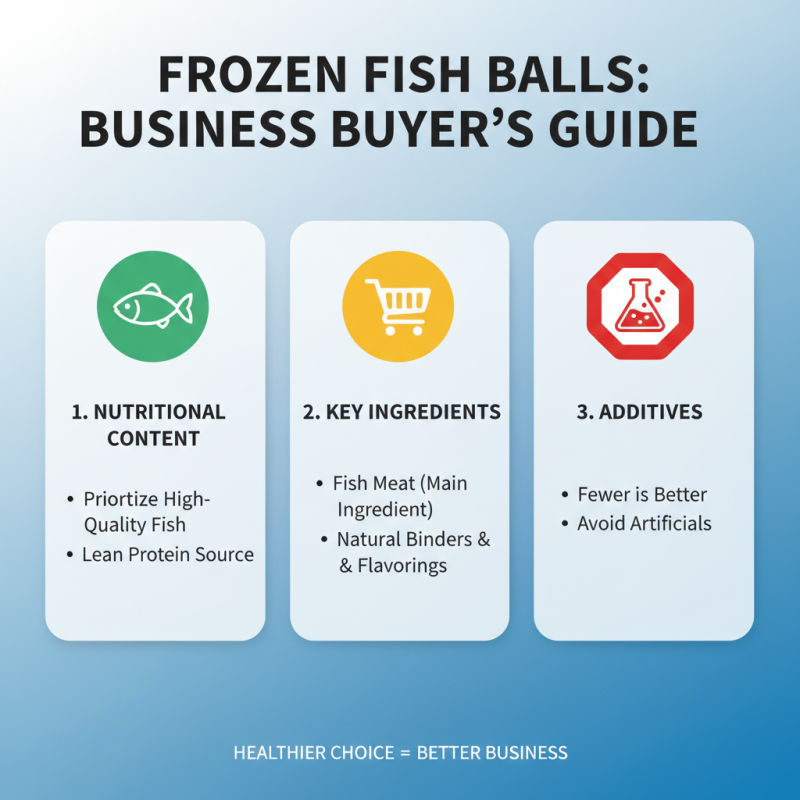
When selecting frozen fish balls for your business, evaluating nutritional content is crucial. Look for fish balls made primarily from high-quality fish. Ingredients should include a combination of fish meat, binders, and flavorings. Check for additives; fewer additives often mean a healthier option.
Tips: Review the ingredients list carefully. Avoid those with artificial fillers or preservatives. Choose fish balls that are rich in omega-3 fatty acids. This nutrient supports heart health and provides anti-inflammatory benefits.
Additionally, consider the protein content. Fish balls should be a good source of protein. Aim for at least 10 grams of protein per serving. Test different brands to find flavors that resonate with your customers. Taste and texture can vary greatly.
Don't overlook allergens. Common allergens like gluten or soy can be present in some products. Always verify labels to ensure safety for all your customers. Remember, a reliable source can help you make informed choices.
Comparing Prices and Suppliers for Cost-Effective Purchasing
When selecting frozen fish balls, comparing prices and suppliers is crucial for your business. It's essential to research various suppliers to find the best deals. Look for those who offer bulk purchasing options, which can help reduce costs significantly. Additionally, evaluate the quality of fish balls. Sometimes, lower prices may mean inferior quality.
Don't just rely on one supplier. Diversifying your sources can lead to better price comparisons. Some suppliers may offer discounts for larger orders or seasonal promotions. It's beneficial to build relationships with multiple suppliers to remain competitive. Always request samples to assess quality before committing to larger purchases.
Be mindful of hidden costs that could inflate overall expenses. Shipping fees and import duties can add up. It's important to calculate these factors when comparing prices. Reflect on your purchasing strategy regularly. Are you getting the best value for your money? Adjusting your approach based on market trends can lead to better profitability in the long run.
Making the Right Choice: Tips for Sampling and Testing Frozen Fish Balls
When selecting frozen fish balls for your business, rigorous sampling and testing are essential. The quality of these products can significantly vary, affecting your menu and customer satisfaction. According to industry reports, nearly 30% of food businesses experience difficulties with inconsistent product quality. This can impact both sales and reputation.
Start by examining the ingredients. High-quality fish balls typically have a fish content of at least 60%. Always review the nutritional labels too. An ideal product should have minimal additives and preservatives. Consider conducting taste tests with focus groups. Gather feedback on texture, flavor, and overall appeal. This approach can help you refine your selection process based on real customer preferences.
Tips: Consider ordering small batches from multiple suppliers. This allows you to assess the performance of different products without large financial commitments. Pay attention to how well the fish balls hold up during cooking—texture changes can indicate quality issues. Maintain a list of reliable metrics to evaluate each sample, measuring everything from elasticity to flavor consistency.
How to Choose the Best Frozen Fish Balls for Your Business?
| Criteria |
Description |
Importance Level (1-5) |
Test Methods |
| Ingredients Quality |
Check for natural ingredients and absence of fillers. |
5 |
Ingredient List Review |
| Texture |
Assess the firmness and consistency of the fish balls. |
4 |
Cooking and Tasting |
| Flavor |
Evaluate taste profile and seasoning. |
5 |
Blind Taste Tests |
| Shelf Life |
Determine the expiration date and storage conditions. |
3 |
Expiration Date Check |
| Cost |
Compare prices across different suppliers. |
4 |
Price Comparison |