How to Choose the Best Frozen Seafood Medley for Your Business?
Choosing the right Frozen Seafood Medley for your business can be challenging. The seafood industry has been rapidly evolving, with a projected market value of over $16 billion by 2027. A significant portion of this growth is attributed to the increasing demand for frozen seafood products, which are known for their convenience and quality.
According to industry expert Dr. Sarah Thompson, “The right medley can enhance menu variety and drive sales.” Selecting a Frozen Seafood Medley requires consideration of flavor profiles, sustainability, and sourcing. Businesses should look for products that offer a blend of shrimp, scallops, and fish that reflect current culinary trends. It's crucial to pay attention to product labeling and certifications, ensuring food safety and quality.
While there are numerous options available, not all medleys are created equal. Some products may lack the freshness and taste expected by customers. Additionally, understanding supplier reliability is essential; inconsistencies can lead to customer dissatisfaction. In this competitive sector, investing time in product selection can significantly impact overall success.
Understanding the Different Types of Frozen Seafood Medleys Available
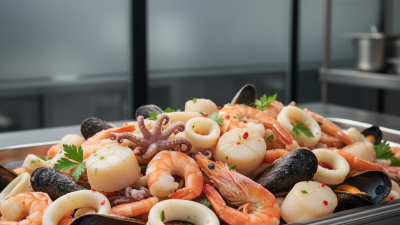
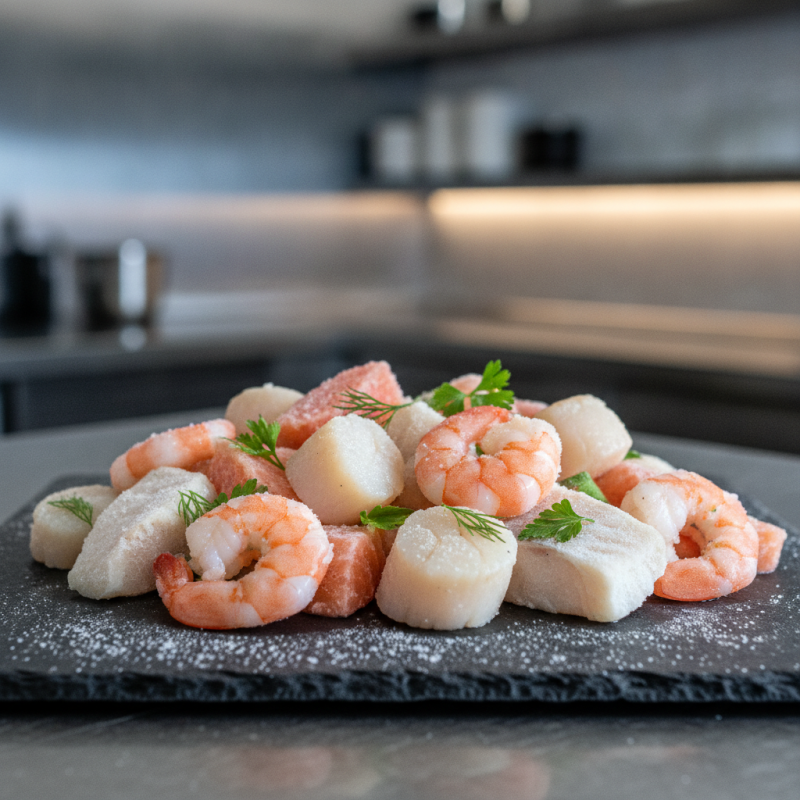
When selecting a frozen seafood medley, understanding the varieties available is crucial. Different medleys offer diverse ingredients, such as shrimp, scallops, and fish. Some may include shellfish, while others feature specific types of fish. This variety can greatly impact your menu.
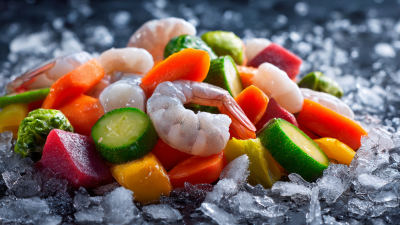
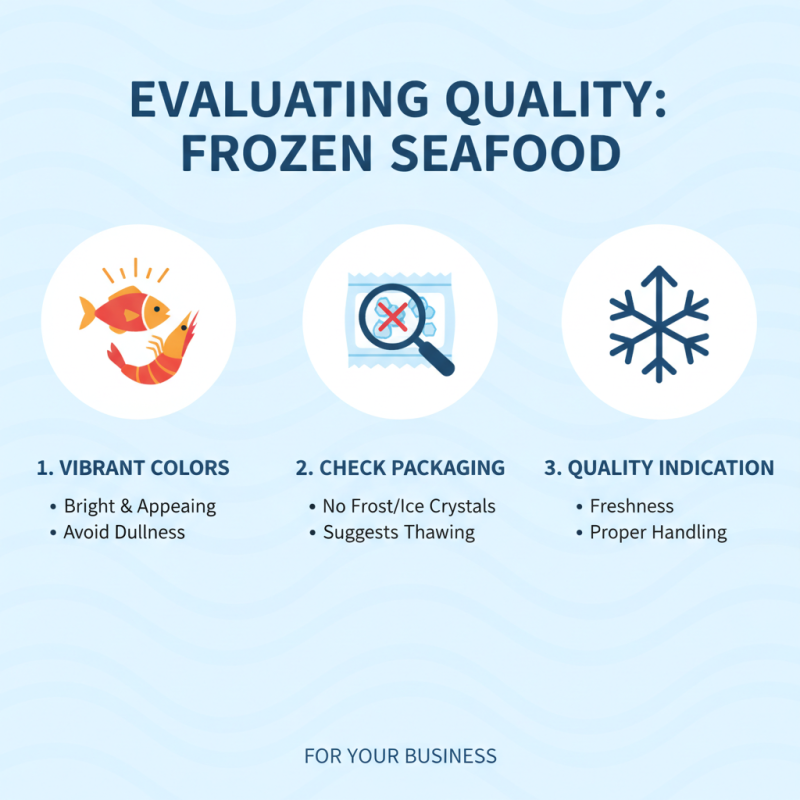
A good tip is to consider the flavor profiles of each medley. Some combinations work best in creamy sauces, while others shine in stir-fries. Pay attention to the quality of seafood. Check for proper freezing techniques and packaging. Medleys with bright colors and well-frozen components usually indicate freshness.
When sourcing, think about your target market. Are they looking for gourmet options or cost-effective meals? Reflect on your customers' preferences. Sometimes, the most popular medley may not suit your vision. Experimenting with lesser-known seafood can offer unique dishes that set you apart. Test small batches to see what resonates well with your audience.
Sales Comparison of Different Frozen Seafood Medleys
Analyzing Cost-Effectiveness and Pricing Strategies for Business Needs
When selecting a frozen seafood medley, understanding cost-effectiveness is key. Analyze your business needs and determine your budget. Look for products that offer the best quality while fitting within your financial constraints. This balance is essential for your bottom line.
Tips: Consider sourcing from local suppliers. They often have competitive prices and fresher products. Compare different suppliers to explore bulk purchasing commitments. This can lead to discounts over time.
Pricing strategies also play a crucial role. Evaluate your target market and set competitive prices. Monitor competitor pricing but don’t compromise on quality. Experiment with meal combos to drive higher sales while keeping costs in check.
Investing in quality seafood enhances your reputation. Customers appreciate freshness and taste, resulting in repeat business. Do not rush your decisions. Analyze your findings and be willing to adjust as necessary. Reflect on what works best for your menu and your profit margins.
Identifying Customer Preferences and Trends in Seafood Consumption
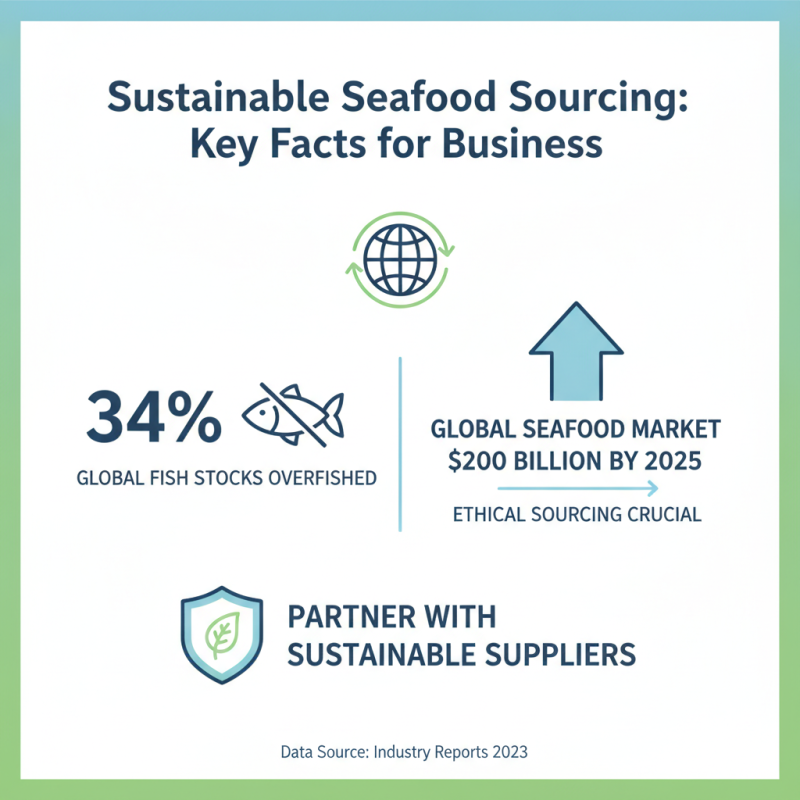
Identifying customer preferences in seafood consumption is crucial for any business. Understanding what your customers favor will help you select the right frozen seafood medley. Data from recent surveys shows that sustainability is a key factor for many consumers. They want transparency about sourcing and fishing practices. This trend means businesses must prioritize eco-friendly options in their offerings.
Another aspect to consider is the variety of flavors and textures that customers enjoy. A mix that includes shrimp, scallops, and fish appeals to a wide audience. Seasonal preferences also play a role, as certain seafood items are more popular during specific times of the year. It’s important to keep track of these changing trends through regular customer feedback. Some businesses find it challenging to adapt quickly, which can be a missed opportunity.
Finally, analyzing regional preferences can shape your inventory. Different areas may favor specific types of seafood. Engaging with local customers can reveal insights that statistics alone cannot provide. To stay competitive, businesses must be willing to experiment. Offer tasting events or sample packs to gauge interest. Embrace flexibility and learn from customer responses to refine your options.
How to Choose the Best Frozen Seafood Medley for Your Business? - Identifying Customer Preferences and Trends in Seafood Consumption
| Seafood Type |
Popularity (%) |
Health Benefits |
Sustainability Rating |
Price Range ($/lb) |
| Shrimp |
30 |
High in protein, low in calories |
3/5 |
10-15 |
| Salmon |
25 |
Rich in omega-3 fatty acids |
4/5 |
12-20 |
| Mahi Mahi |
15 |
High in protein, good source of vitamin B12 |
5/5 |
10-18 |
| Calamari |
10 |
Low in fat, high in selenium |
3/5 |
8-14 |
| Scallops |
20 |
High in protein, low in fat |
4/5 |
15-25 |