How to Choose the Best Frozen Seafood Mix for Your Business?
When selecting the best Frozen Seafood Mix for your business, expertise is essential. Renowned industry expert, Chef Marco Rossi, emphasizes, "Choosing the right mix is crucial for flavor and quality." A quality seafood mix can significantly influence customer satisfaction.
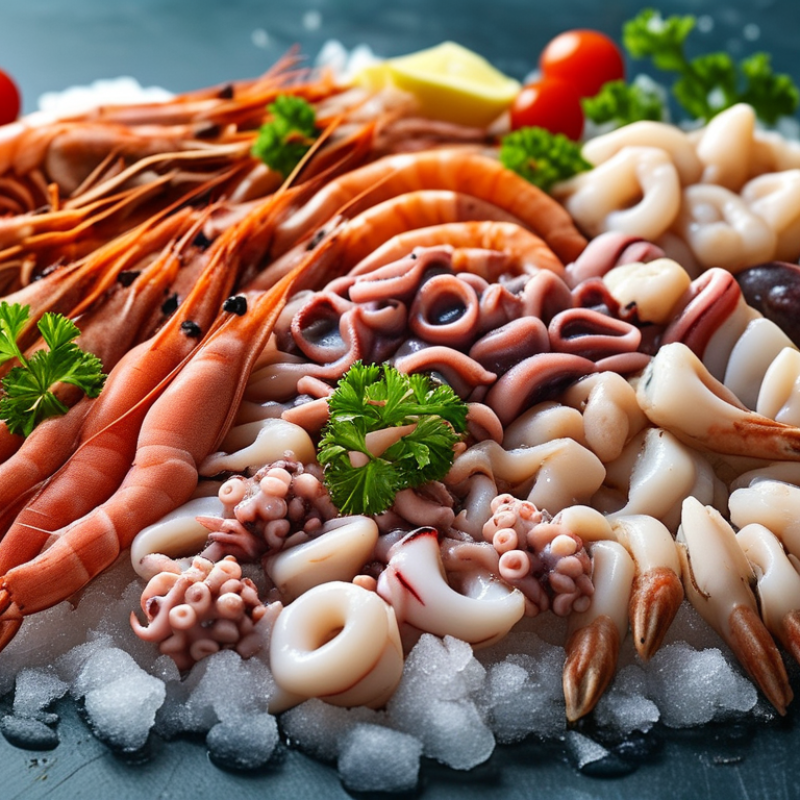
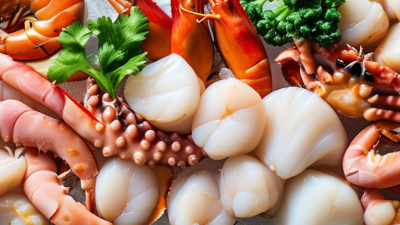
Frozen Seafood Mixes come in various types, including shrimp, calamari, and several fish varieties. Each offers unique flavor profiles and textures. A good mix should not only enhance the dish but also ensure freshness. Seek reliable suppliers who prioritize sourcing from sustainable fisheries.
It's vital to consider your target market. Are your patrons seeking gourmet meals or casual dining experiences? This decision impacts your choice of Frozen Seafood Mix. Understand your business needs and align them with high-quality options. Ensure you are reflecting not just on taste but also on the sourcing ethics of your seafood.
Understanding the Different Types of Frozen Seafood Mixes Available
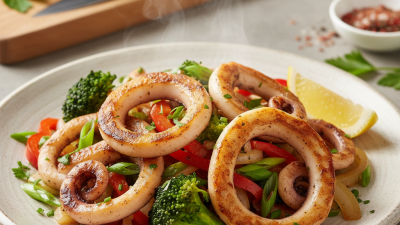
When choosing a frozen seafood mix for your business, understanding the varieties available is crucial. Common options include shrimp, calamari, and fish fillets. Each type offers unique flavors and textures, making them suitable for different dishes. Shrimp can be easily added to stir-fries or salads, while calamari shines in appetizers. Fish fillets serve well in main courses, offering versatility for chefs.
Quality varies greatly across suppliers. Some mixes may contain added preservatives or fillers. It's essential to check ingredient lists to ensure you're selecting a pure product. Taste testing is also beneficial. Not all seafood mixes will provide the same level of satisfaction to your customers.
When evaluating your choices, consider sustainability. Overfishing is a growing concern. Sourcing seafood from responsible fisheries can enhance your brand’s reputation. However, this can sometimes compromise cost-effectiveness, necessitating careful financial planning. Balancing quality and sustainability is never straightforward. Each decision can impact your business in unexpected ways.
How to Choose the Best Frozen Seafood Mix for Your Business? - Understanding the Different Types of Frozen Seafood Mixes Available
| Type of Seafood Mix |
Main Ingredients |
Average Price per Pound |
Recommended Cooking Method |
Ideal Use |
| Mediterranean Seafood Mix |
Shrimp, squid, calamari, mussels |
$12.00 |
Grilling, sautéing |
Pasta dishes, paella |
| Asian Seafood Medley |
Shrimp, scallops, fish, octopus |
$15.00 |
Stir-frying, steaming |
Sushi, stir-fried rice |
| Tropical Fish Mix |
Mahi-mahi, snapper, tuna |
$14.00 |
Baking, grilling |
Tacos, salads |
| Shellfish Combination |
Lobster, crab, shrimp |
$25.00 |
Boiling, baking |
Seafood platters, soups |
| Budget Seafood Mix |
Fish fillets, imitation crab |
$8.00 |
Frying, baking |
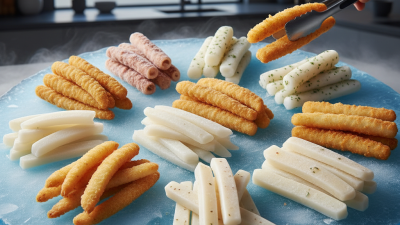
Fish sticks, casseroles |
Evaluating Quality Indicators for Frozen Seafood Products
Choosing the right frozen seafood mix for your business involves evaluating several critical quality indicators. Freshness is paramount. Check the packaging and freezing dates to ensure you receive recently frozen products. Look for seafood that has a clear, glossy appearance. This reflects quality and proper handling. Avoid mixes that show signs of freezer burn or discoloration. These are often indicators of poor storage.
Texture is another key factor. Quality seafood should feel firm and elastic. If the texture is mushy, it may have been thawed and refrozen, which decreases its quality. Smell can also play a role in your evaluation. Fresh seafood will have a mild ocean scent, while any strong or off-putting odors are red flags. Learning how to distinguish these signs is crucial for your selection process.
Finally, consider sourcing. A reliable supplier will provide documentation on the seafood’s origin, ensuring it is sustainable and safe. This is not merely about legality; it reflects a commitment to quality. Engage with your supplier. Ask questions about their sourcing practices. This interaction can reveal the transparency of their operations. Your choices in frozen seafood should not only meet immediate needs but also reflect your brand's values. Always strive for improvement in your selection process.
Assessing Supplier Reliability and Product Sourcing Practices
Assessing supplier reliability is crucial when selecting a frozen seafood mix for your business. A report by the National Oceanic and Atmospheric Administration (NOAA) indicates that sustainable sourcing is key to maintaining industry integrity. Suppliers should offer transparency about their sourcing practices. This helps ensure the seafood is both high-quality and environmentally friendly.
When evaluating potential suppliers, consider their certifications. Look for those that adhere to standards like the Marine Stewardship Council (MSC) or the Aquaculture Stewardship Council (ASC). Suppliers with these certifications have established traceability in their practices, which enhances their credibility. Regular audits can be an indicator of a supplier’s commitment to quality.
Tip: Always check customer reviews and testimonials. They can provide insight into the dependability and quality of the supplier’s products.
Another aspect to reflect on is the consistency of product availability. Some suppliers may experience seasonal fluctuations. This can disrupt your supply chain. Understanding their sourcing limitations is essential. It’s wise to have backup suppliers to mitigate any risks.
Tip: Build strong relationships with suppliers. Open communication can address potential issues before they become significant problems.
Analyzing Cost-Effectiveness for Your Business Needs
When selecting a frozen seafood mix, cost-effectiveness is crucial. Understand your budget and needs. Analyze the prices of different seafood options. Consider local suppliers to minimize shipping costs. Balance quality and price. A cheaper product may yield poor customer satisfaction.
Evaluate portion sizes as well. A mix that looks appealing may not provide enough servings. Calculate the cost per portion to ensure profitability. Think about your target market. They may prefer sustainable or organic options, which can sometimes be pricier. Are those prices justifiable for your customers?
Consider waste and spoilage as well. A mix that doesn’t sell quickly can lead to financial losses. Track inventory closely. This helps identify which seafood types are popular. Reflect on your purchasing decisions regularly. Adjust your choices based on sales performance. Flexibility can lead to better profit margins.
Identifying Packaging and Storage Requirements for Frozen Seafood
When it comes to frozen seafood, packaging and storage are crucial. Proper packaging ensures freshness while extending shelf life. Vacuum-sealed bags or airtight containers are ideal; they help prevent freezer burn. On the other hand, bulk packaging may save costs. However, it could lead to quality loss if not handled properly.
Storage conditions play a significant role in maintaining seafood quality. A consistent freezer temperature of -18°C is essential. Fluctuations can lead to texture and flavor deterioration. Clear labeling is important too; it helps track expiry dates and manage inventory effectively.
Monitoring your storage system regularly can be challenging. It's easy to overlook small details like air exposure or moisture levels. Employing a systematic approach can help mitigate risks in the long run. Take time to assess your current setup. Reflecting on these aspects can lead to better seafood quality for your business.