How to Choose the Best Frozen Squid Tube for Your Business?
When selecting a Frozen Squid Tube for your business, several factors deserve attention. The global seafood market is projected to reach $155 billion by 2026, with squid being a popular choice among consumers. In particular, frozen squid products account for a significant portion of this market. According to industry reports, the demand for high-quality frozen seafood has increased by 15% over the past five years.
Choosing the right Frozen Squid Tube is not just about price. Quality, sourcing, and freshness play crucial roles. Reliable suppliers often provide transparency regarding their sourcing methods. Data shows that about 30% of consumers are willing to pay more for sustainably sourced seafood. However, many businesses still struggle to find the right supplier.
Additionally, understanding your target market is vital. Some consumers prefer specific sizes or preparation styles, which can affect your purchasing decisions. Reflecting on these aspects can lead to better choices. While many options are available, not all fulfill consumer expectations. In a competitive landscape, quality matters more than volume.
Understanding the Different Types of Frozen Squid Tubes Available
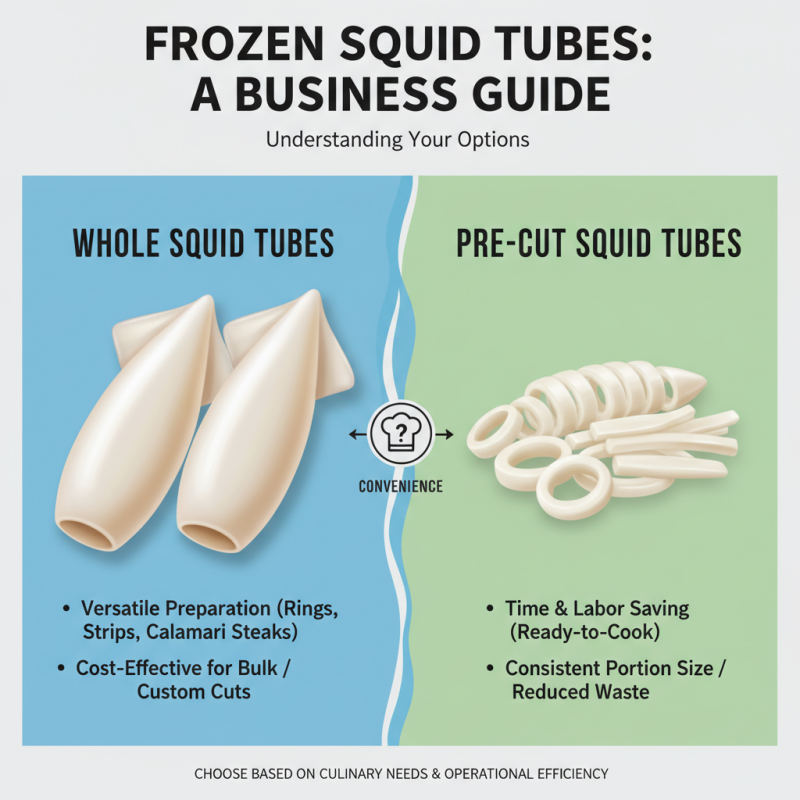
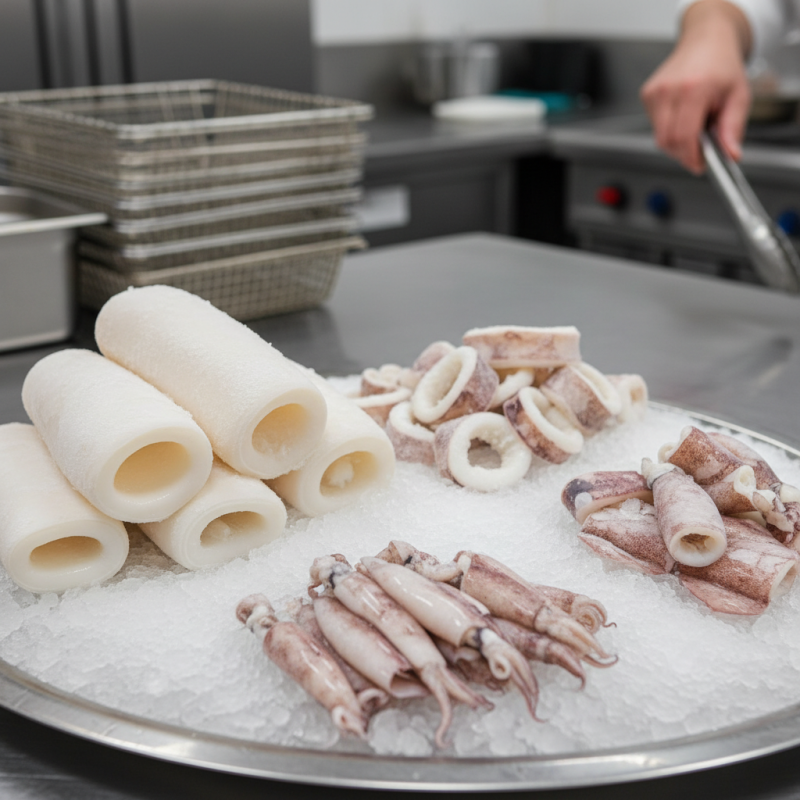
When selecting frozen squid tubes for your business, it's crucial to understand the different types available. The two main categories are whole squid tubes and pre-cut tubes. Whole squid tubes offer versatility in preparation, while pre-cut tubes save time and labor. Each type has unique attributes that cater to different culinary needs.
Seafood quality is vital. Look for squid with bright, consistent color and no signs of freezer burn. The size and weight of the squid tubes can vary. Larger tubes are ideal for grilling or stuffing, while smaller ones work well in stir-fries. Try to assess fresh quality even in frozen products.
**Tips:** Always ask suppliers for samples. This can ensure quality and help you evaluate the flavor. Know your customer preferences. Some may prefer whole tubes, while others like ready-to-cook options. Be mindful of sourcing practices. Responsible sourcing reflects positively on your business. Quality should never be compromised to cut costs.
Evaluating Quality Indicators for Frozen Squid Tubes
When selecting frozen squid tubes for your business, quality is paramount. Evaluate the color of the squid tubes. A bright white or slightly pink hue indicates freshness. Dark spots or discoloration can suggest poor quality. Another vital factor is texture. A firm, elastic texture indicates that the squid has been properly handled and stored. Soft or mushy squid may imply degradation.
Tips: Always inspect packages for ice crystals. Excess ice may indicate that the squid has thawed and refrozen. Look for clear labeling. This should include the catch date and processing standards. Reliable suppliers will provide this information.
Lastly, pay attention to odor. Fresh squid should possess a clean, oceanic smell. A strong fishy odor often signifies spoilage. When purchasing in bulk, consider smaller sample sizes first. This allows you to evaluate the quality without significant risk. Trust your instincts when assessing quality. It's better to walk away than to accept subpar products.
How to Choose the Best Frozen Squid Tube for Your Business? - Evaluating Quality Indicators for Frozen Squid Tubes
| Quality Indicator |
Evaluation Criteria |
Typical Value Range |
Importance |
| Appearance |
Clean, bright color, no discoloration |
Translucent white to off-white |
High |
| Texture |
Firmness, elasticity |
Firm with a slight bounce |
High |
| Odor |
No off-putting smells |
Fresh ocean scent |
High |
| Packaging |
Integrity, sealing method |
Vacuum packed with no leaks |
Medium |
| Shelf Life |
Date of freezing, storage conditions |
8-12 months |
High |
| Size and Cut |
Consistent size and cut |
6-12 inches |
Medium |
Examining the Sourcing and Sustainability Practices
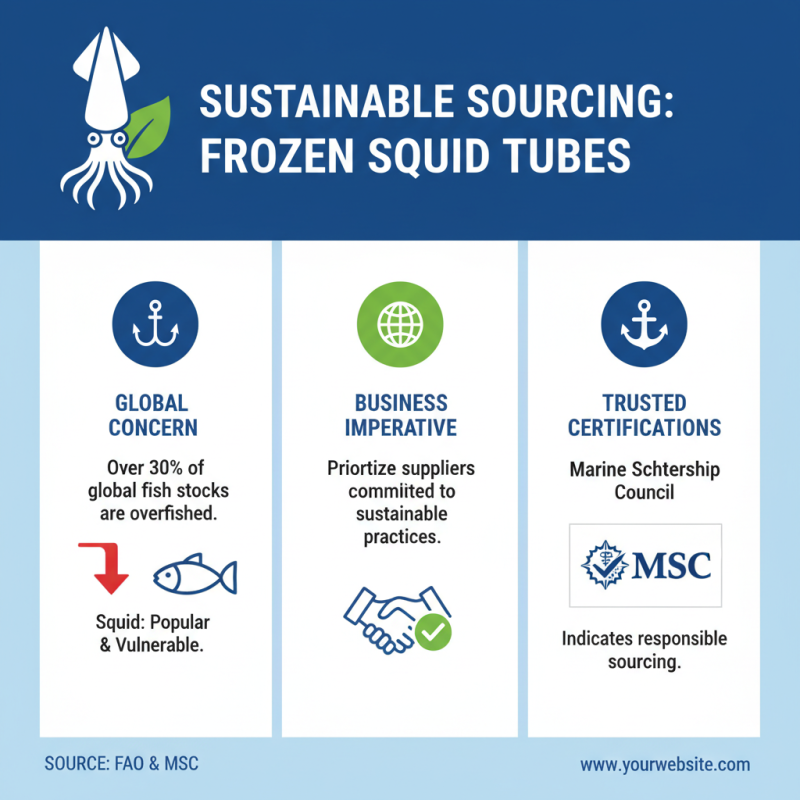
When sourcing frozen squid tubes, sustainability is a growing concern. According to the FAO, over 30% of global fish stocks are overfished. This trend raises alarms, especially for popular species like squid. Businesses must prioritize suppliers committed to sustainable practices. Certifications from organizations such as the Marine Stewardship Council can indicate responsible sourcing.
Additionally, tracking the environmental impact of fishing practices is crucial. A study published in the Journal of Marine Policy notes that illegal, unreported, and unregulated fishing accounts for as much as 30% of the global fish catch. Relying on suppliers without transparency can harm your reputation. Regular audits of supply chains can help mitigate risks related to sustainability.
While many suppliers claim sustainable practices, not all adhere strictly to them. Engaging directly with fishing communities can provide insights into their methods. Understanding local ecosystems and their challenges can inform better purchasing decisions. It's essential to weigh the benefits of different sourcing practices, continually questioning and refining your strategies for sustainability.
Assessing Packaging Options for Frozen Squid Tubes
When selecting frozen squid tubes for your business, the packaging options play a critical role. Appropriate packaging preserves freshness, ensures food safety, and impacts customer perception. According to industry reports, up to 74% of consumers value packaging that keeps products fresh and appealing. High-quality vacuum-sealed bags are often favored as they greatly reduce the risk of freezer burn, which can negatively affect the product's taste and texture.
Several packaging materials are available, each with strengths and weaknesses. For instance, polyethylene bags are cost-effective and widely used, but they may not provide optimal protection against external factors. In contrast, multi-layer packaging materials offer better preservation but at a higher cost. Transparency in packaging design allows customers to visually assess the quality of the squid, influencing their purchasing decisions significantly. Studies indicate that visual appeal can enhance sales by as much as 43%.
Businesses must also consider environmental factors. Reports show that consumers are increasingly favoring eco-friendly packaging. Approximately 58% of shoppers prefer brands that use sustainable materials. This trend could impact long-term customer loyalty and market competitiveness. Assessing the packaging options carefully can ensure both product integrity and better alignment with consumer values.
Determining the Cost-Effectiveness for Your Business Needs
When considering frozen squid tubes for your business, cost-effectiveness is crucial. The seafood industry is projected to grow at a compound annual growth rate (CAGR) of 4.5% till 2027. This growth signifies increased demand, making it essential to choose squid tubes that balance quality and price. A recent market analysis from SeafoodSource estimated that the average price for frozen squid tubes ranges from $3.50 to $5.00 per pound. Understanding these costs helps you align your purchasing strategy with market trends.
It's vital to assess the quality of squid tubes. Inconsistent quality can lead to higher wastage. A report by the National Oceanic and Atmospheric Administration stated that seafood quality affects customer satisfaction and retention significantly. Poor quality often results in fewer repeat customers. Investing in better quality might seem costly initially, but it can improve overall profitability. Long-term, the right choice can help maintain a loyal customer base.
Regularly evaluating supplier pricing and quality metrics is necessary. Discounts might seem appealing, but they can often mask inferior quality. Adjusting your supplier relations based on performance can help optimize your procurement process. A structured approach to evaluating suppliers will ensure you are making informed choices that align with your budget and quality requirements. Balancing cost with quality isn't simple, but the effort pays off in customer satisfaction and ultimately, profits.