How to Cook Frozen Fish Balls Perfectly Every Time?
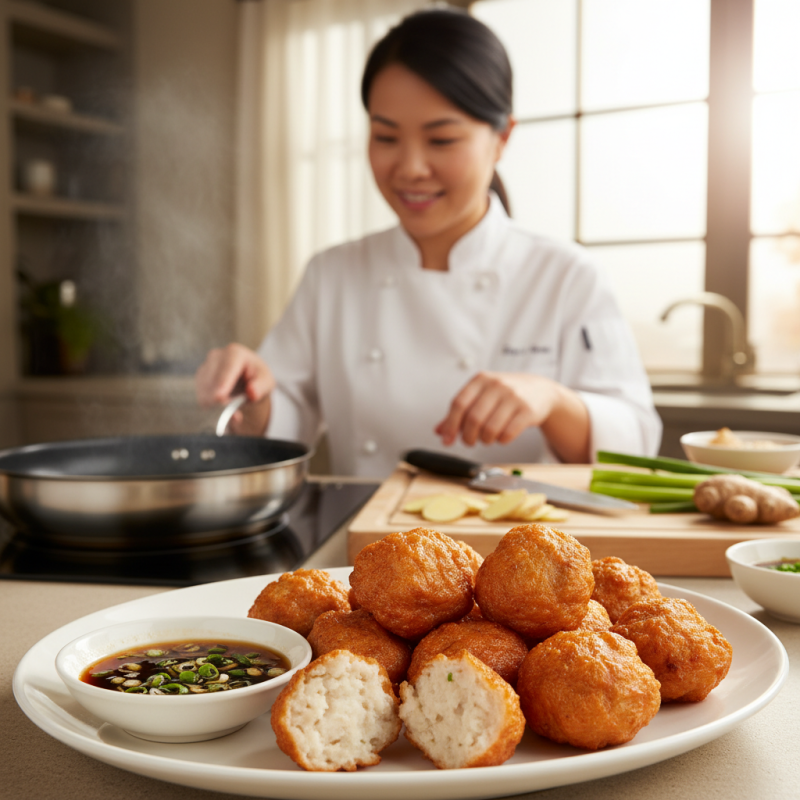
Cooking frozen fish balls can be a simple task with the right tips. Chef Emily Lee, renowned for her expertise in seafood, emphasizes, "The key to success is the cooking technique you use." Many struggle with achieving the perfect texture and flavor.
When preparing frozen fish balls, careful attention is crucial. The cooking method—whether boiling, frying, or steaming—greatly impacts the outcome. For instance, boiling can lead to a less satisfying texture if not timed correctly. Overcooking often results in rubbery fish balls. On the other hand, frying can enhance flavor, but it poses risks of uneven cooking if not done properly.
It’s essential to remain adaptable. Each brand of frozen fish balls may require different approaches. Inconsistent cooking practices can lead to disappointing results. Reflection on each cooking experience helps refine techniques. Remember, every cook can improve with practice. Happy cooking!
Choosing the Right Frozen Fish Balls for Cooking
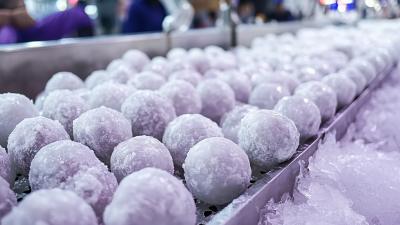
When it comes to cooking frozen fish balls, the right choice can make all the difference. Look for fish balls that have a firm texture and a bright, fresh appearance. Avoid items with an excessive ice coating, as this indicates freezer burn or age. Always check the ingredient list. Simpler is often better, as fewer additives can mean higher quality.
Tips: Opt for products labeled as made with fresh fish. These usually taste better and have a more pleasant texture. Also, consider the size of the fish balls. Smaller ones may cook more evenly but might lack filling.
Read customer reviews and look for any recurring issues. This can help you avoid frozen fish balls that don't hold up during cooking. Some may crumble, while others might taste too bland. It’s a good idea to experiment with various brands to find the ones that suit your taste preference best.
Lastly, remember that not all frozen fish balls are created equal. Use trial and error to discover your favorites. Cooking the wrong product may lead to disappointment or texture issues. Cooking frozen fish balls can become a delightful experience with the right products in hand.
Preparing Frozen Fish Balls for Cooking: Thawing and Seasoning
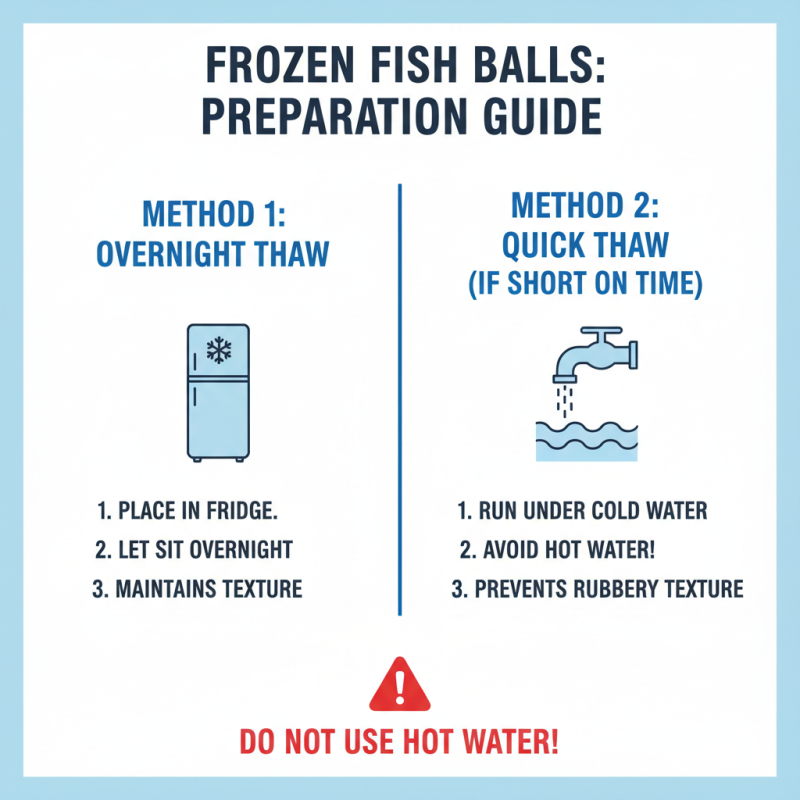
Preparing frozen fish balls is straightforward but requires attention to detail. Thawing is the first step. Place the frozen fish balls in the refrigerator overnight. This helps maintain their texture. If you’re short on time, run them under cold water for a quick thaw. Avoid using hot water; it can make them rubbery.
Once thawed, seasoning is essential. A pinch of salt can elevate the flavor. Adding a squeeze of lemon juice brings brightness. You might consider mixing in minced garlic or herbs for extra depth. Be careful with the seasonings, though. Too much can overpower the fish balls. Taste as you go. Some people forget this step.
After seasoning, allow them to marinate for at least 15 minutes. This time lets the flavors meld. However, don't leave them too long. Over-marinating can lead to a mushy texture. Keep an eye on the clock. When cooked, the fish balls should be tender, not falling apart. Enjoy experimenting until you find what works best for you!
Cooking Methods for Frozen Fish Balls: Steaming, Boiling, and Frying
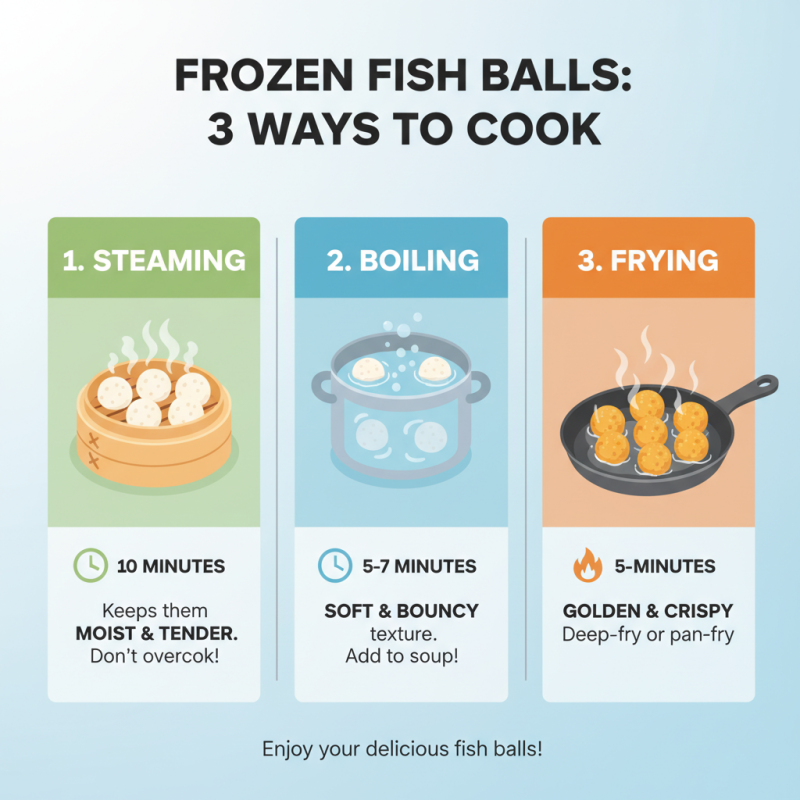
Cooking frozen fish balls can be a delightful yet challenging experience. The three popular methods—steaming, boiling, and frying—each offer unique textures and flavors. Steaming fish balls is a simple method that keeps them moist. Place them in a steamer for about 10 minutes. You may want to check them frequently, as overcooking can lead to a rubbery texture.
Boiling is another quicker option. Bring water to a rolling boil, and add the fish balls. Usually, they’re ready within 5 to 7 minutes. However, be cautious. If the water isn’t hot enough, the fish balls might fall apart. Frying offers a crispy exterior that many love. Heat oil in a pan and fry the fish balls until golden brown, which usually takes around 3-4 minutes on each side. It’s essential to manage the heat carefully; too high, and they’ll burn before cooking through.
Experimenting with these methods can teach you a lot. Each time you make them, try adjusting cooking times or temperatures. It might not always turn out perfectly, but that’s part of the culinary adventure. Enjoy the process, and don’t be afraid to make mistakes.
Tips for Achieving Perfect Texture and Flavor in Fish Balls
Cooking frozen fish balls can be tricky. To achieve the perfect texture and flavor, start by thawing them properly. Place the fish balls in the refrigerator overnight. This slow thawing helps maintain their structure. If you're short on time, you can submerge them in cold water for about an hour. Avoid using hot water, as it can make them mushy.
When cooking, the method makes a difference. Steaming is a great option. It keeps the moisture in and enhances the flavor. If you prefer frying, ensure your oil is hot. Fry them until golden brown for a crispy texture. But be careful! Overcooking can lead to rubbery fish balls. Check them frequently during the cooking process. A common mistake is cooking them too long, so watch closely.
Adding seasonings is crucial for flavor. Simple ingredients like garlic, ginger, or green onions can elevate the dish. Experiment with different herbs and spices to find what works for you. Don't forget to taste as you go. A little more seasoning can make a big difference, but too much can overpower the fish. Embrace the process, and don’t be afraid to adjust as you discover your own preferences.
How to Cook Frozen Fish Balls Perfectly Every Time? - Tips for Achieving Perfect Texture and Flavor in Fish Balls
| Cooking Method |
Time (minutes) |
Temperature (°C) |
Flavor Enhancers |
Tips |
| Boiling |
5-7 |
100 |
Salt, Ginger |
Do not overcook to maintain texture. |
| Steaming |
8-10 |
95 |
Soy Sauce, Sesame Oil |
Use parchment paper to prevent sticking. |
| Frying |
3-5 |
180 |
Chili Sauce, Garlic |
Ensure oil is hot to avoid sogginess. |
| Baking |
15-20 |
200 |
Lemon, Herbs |
Use a baking tray lined with foil for easy cleanup. |
Serving Suggestions and Pairings for Cooked Frozen Fish Balls
When you’ve cooked frozen fish balls, think of vibrant serving suggestions. A delightful option is to pair fish balls with a tangy dipping sauce. A mix of soy sauce and a dash of lime juice adds a fresh twist. Consider adding chili flakes for heat. Don’t shy away from experimenting with herbs. Chopped cilantro or parsley can enhance the dish’s flavor and appeal.
Serve fish balls over a bed of sautéed greens. Spinach or bok choy works wonderfully. The greens bring a balance to the dish. You can sprinkle sesame seeds on top for crunch. Maybe a sprinkle of garlic powder or paprika can elevate your serving. A simple plate garnished with fresh lemon slices looks appealing too.
Think about serving fish balls in a broth. A light vegetable or seafood broth can be a comforting choice. Add some noodles or rice for a heartier meal. Reflect on how textures play a role. The softness of the fish balls contrasts nicely with crunchy vegetables or crispy fried shallots. Remember, cooking is about finding what suits your taste buds. Don't hesitate to adjust ingredients.