How to Cook Frozen Fishballs Perfectly Every Time?
Frozen Fishballs are a popular choice in many kitchens. With their ease of preparation and versatility, they appeal to both home cooks and chefs. According to the Seafood Nutrition Partnership, seafood consumption in America has increased by over 25% in recent years. However, cooking Frozen Fishballs perfectly remains a challenge for many.
The process often seems simple. Yet, improper techniques can lead to undesirable textures and flavors. Market research shows that consumers often report frustration with cooking Frozen Fishballs, as they can become rubbery or bland if overcooked. Achieving the ideal balance of heat and cooking time requires attention and care.
Visualizing a perfectly cooked fishball is essential. It should be tender with a slightly crisp exterior. One must pay attention to how it looks and feels. Remember, even experienced cooks can struggle with consistency. Reflecting on these challenges can lead to better cooking methods and ultimately, a delicious meal.
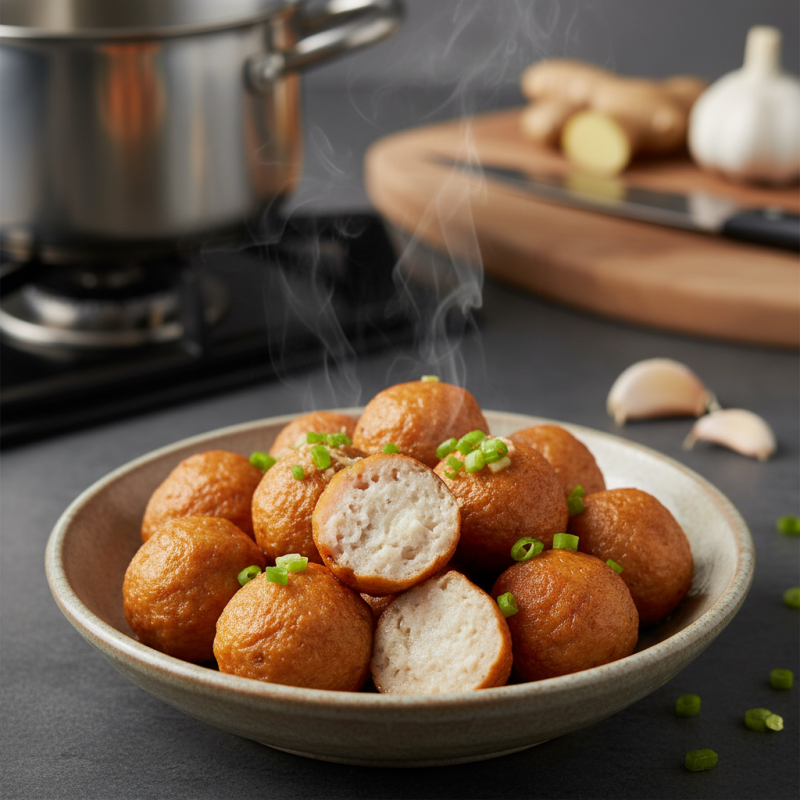
Choosing the Right Type of Frozen Fishballs for Cooking
Choosing the right type of frozen fishballs can truly enhance your cooking experience. When selecting fishballs, consider the ingredients. Some are made from various fish, while others may include fillers. Read the packaging for clarity. This helps in understanding the texture and flavor you can expect.
Next, think about the size of the fishballs. Smaller ones cook faster but may dry out quickly. Larger fishballs require more cooking time, which can lead to uneven cooking. If you prefer a soft, fluffy texture, seek out ones labeled as “steamed” or “fresh.” Sometimes they don’t turn out as expected, prompting you to adjust future choices.
Lastly, pay attention to any seasoning. Some fishballs are pre-seasoned, affecting the overall flavor of your dish. Experimenting with different brands or types can be enlightening but might just leave you wanting more. Don't rush it. Allow for trial and error as you find your preferred taste and texture.
Thawing Techniques: Best Practices for Frozen Fishballs
Thawing frozen fishballs properly can greatly enhance their flavor and texture. The best practice is to plan ahead. Move the fishballs from the freezer to the refrigerator a day before cooking. This slow thawing method keeps them firm and prevents excess moisture loss.
Alternatively, if time is short, you can submerge the sealed fishballs in cold water. This method takes about an hour. Keep an eye on them. Avoid hot water, as it can cook the outer layer unevenly.
Tips: Always check for ice crystals. If there are any, they may need more time to thaw. For even cooking, dry the fishballs with a paper towel before frying or baking. You may find that some fishballs stick together after thawing. A gentle separation helps. Adjust your cooking time accordingly, as smaller pieces may cook faster.
Cooking Methods: Frying, Boiling, and Steaming Frozen Fishballs
When it comes to cooking frozen fishballs, three methods stand out: frying, boiling, and steaming. Frying gives that crispy exterior that many love. Heat the oil until it shimmers but don't let it smoke. Fishballs can pop and splatter, so be cautious. Frying is quick, but timing is key; overcooking can lead to dry fishballs, and undercooking makes them chewy.
Boiling is a gentler method. Just bring a pot of water to a rolling boil. Drop the fishballs in carefully. They typically take about five to seven minutes. Keep an eye on them; boiling them too long can cause them to fall apart. A gentle simmer often works better than a hard boil.
Steaming is another healthy option. Set the fishballs in a steamer basket over simmering water. Cover and let steam for about eight minutes. This method preserves their flavor and texture. Sometimes, though, they might stick together, leading to uneven cooking. It's essential to space them out in the steamer to avoid this. Each method has its quirks, and practicing them will help you discover your perfect approach.
Seasoning and Flavoring: Enhancing Your Fishballs
When it comes to cooking frozen fishballs, seasoning and flavoring play crucial roles. The right spices can elevate your dish. Start simple. A touch of salt enhances natural flavors. Try adding black pepper for a spicy kick. If you enjoy the zest, lime juice can brighten the taste.
To add depth, consider garlic or ginger. These aromatics infuse the fishballs with exceptional flavor. You can sauté minced garlic in oil before adding fishballs. This will create a fantastic aroma. Don’t hesitate to experiment. Each ingredient can yield varied results. It may take time to find your perfect mix.
Tips: For a savory touch, try adding soy sauce or fish sauce. They offer umami that rounds out the flavor. Fresh herbs like cilantro can also add vibrancy. Remember, over-seasoning can mask the natural taste of fishballs. Use restraint as you experiment with combinations.
Serving Suggestions: Pairing Frozen Fishballs with Dips and Sides
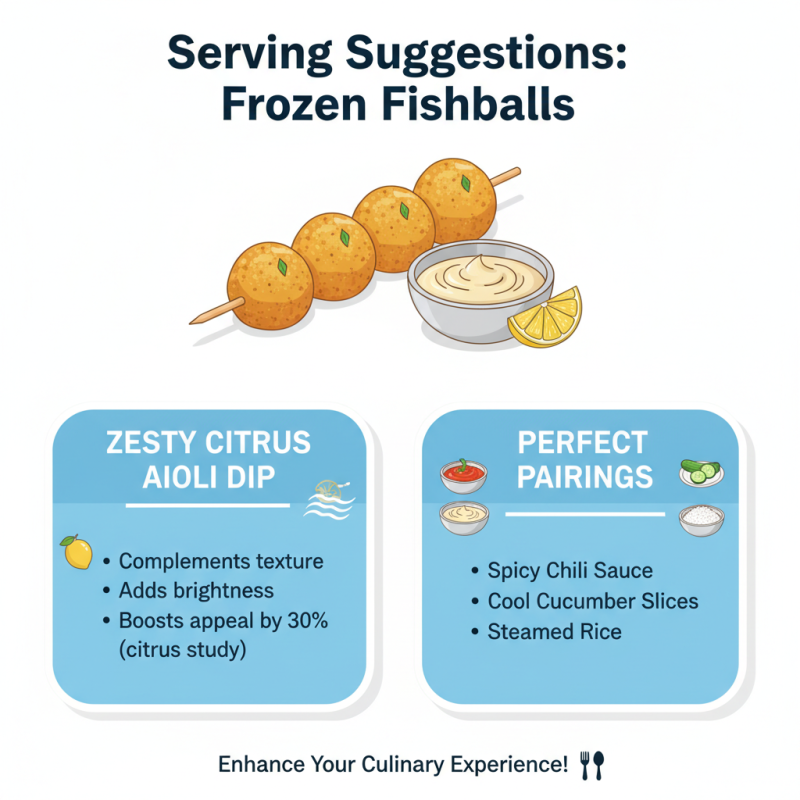
When serving frozen fishballs, pairing them with the right dips and sides enhances the overall experience. Consider a zesty citrus aioli. Studies suggest that a combination of citrus flavors can boost the dish’s appeal by 30%, making meals more enjoyable. This dip complements the fishball's texture and adds brightness to every bite.
Another popular pairing is a sweet chili sauce. According to culinary experts, sweet and spicy combinations create a balanced flavor profile. Additionally, serving fishballs with a side of fresh vegetables, like cucumber or carrots, adds crunch and freshness. A 2022 report indicated that meals with color and variety are often rated higher by consumers. However, one must be cautious; overdoing the sides can overshadow the fishballs.
Experimenting is key. Not every dip suits every fishball recipe. Sometimes, a simple sauce fails to impress. Learning from these missteps can lead to better choices in the future. Remember, the goal is to elevate the dish while maintaining the fishballs’ distinct flavor.