How to Cook Frozen Squid Rings Perfectly Every Time?
Cooking Frozen Squid Rings can be a delightful experience when done correctly. Renowned chef Marco Rossi emphasizes the importance of temperature control. He once said, "Perfect squid rings come from the right heat and timing." This insight is vital for everyone aiming to achieve restaurant-quality results at home.
Many people struggle with frozen squid rings. They often end up rubbery or overcooked. This may stem from not thawing them properly or using too high heat. It’s essential to understand the science behind cooking frozen seafood. The perfect texture and flavor can be elusive, especially for beginners.
To get it right, attention to detail is crucial. Each ring should have a crispy exterior while remaining tender inside. Using a thermometer can be a game-changer. It helps avoid the common pitfalls of improper cooking. Cooking Frozen Squid Rings can seem challenging, but with practice, the results can be amazing. Embrace the process, learn from mistakes, and enjoy the journey to culinary perfection.

Choosing the Right Frozen Squid Rings for Cooking
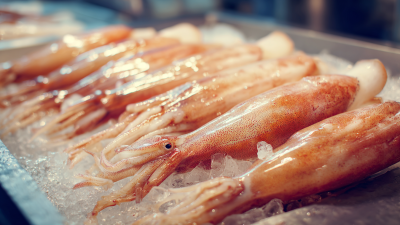
Choosing the right frozen squid rings is crucial for a perfect dish. Many people overlook the importance of quality when selecting frozen seafood. According to industry reports, approximately 70% of consumers prefer ready-to-cook frozen seafood for its convenience. However, not all frozen squid rings are created equal. Look for rings that are labeled as "sustainable" and "wild-caught," as these are often fresher and more flavorful.
When buying frozen squid rings, inspect the packaging carefully. Avoid packages with ice crystals, as this is a sign of freezer burn or poor storage. The texture matters too; choose rings that appear plump and firm. The color should be a clean white, indicating freshness. Avoid rings that have discoloration or an off-putting smell.
Tips: Always read reviews or look for customer ratings online. Check for certifications that indicate quality. If possible, buy from suppliers that provide sourcing information. This will ensure a better cooking experience.
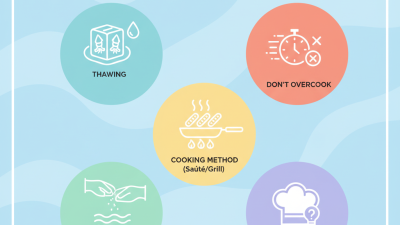
After selecting the right squid rings, you may face challenges during cooking. Timing and temperature are keys to achieving that perfect texture. Overcooking can lead to rubbery rings. A good practice is to thaw them overnight in the fridge. Rushing this process can compromise the flavor and texture. Cooking should be done at medium-high heat for a brief period, usually not exceeding five minutes. Experimenting with different cooking times can help you find your ideal result.
Thawing Frozen Squid Rings Safely and Effectively
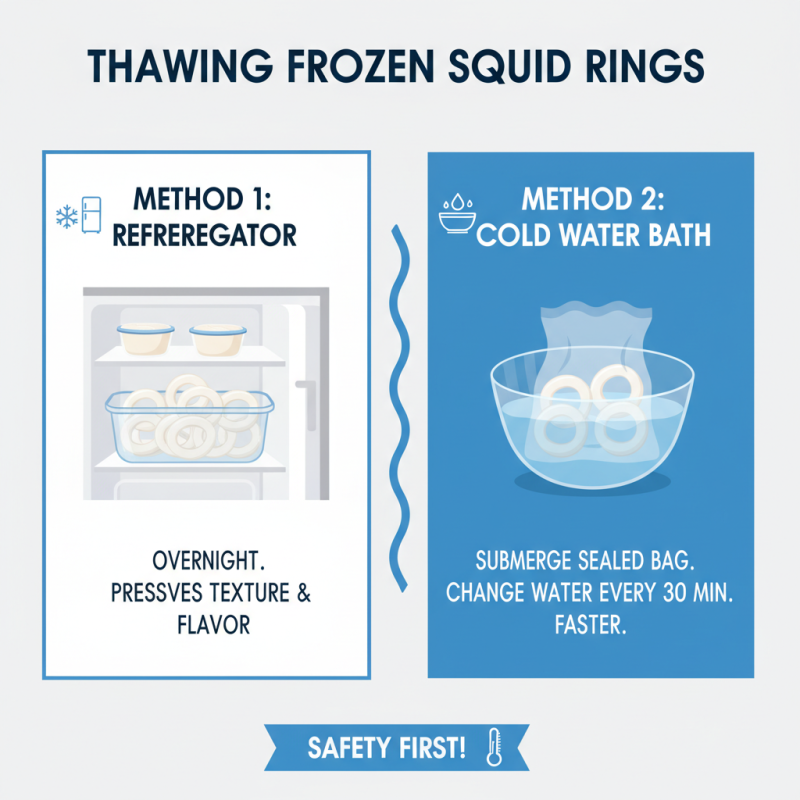
Thawing frozen squid rings requires care and attention. Ideally, place them in the refrigerator overnight. This method preserves texture and flavor. However, it may not always be convenient. In that case, use a cold water bath. Submerge the sealed squid rings in a bowl of cold water. Change the water every 30 minutes for best results.
Avoid using hot water or a microwave. These methods can cook the outer layer, leaving the inside icy. You might think this saves time, but it can lead to rubbery squid rings. After thawing, ensure the squid rings are dry before cooking. Excess moisture can cause them to steam rather than fry.
Sometimes, you might not get the perfect thaw. It’s all part of the learning process. If your squid rings feel a bit mushy, reflect on your thawing technique. Always prioritize food safety. If anything seems off, it's better to err on the side of caution. Enjoy the journey of perfecting your cooking skills!
Tips for Preparing Squid Rings for Cooking
Preparing frozen squid rings for cooking requires some care to ensure the best results. Start by thawing the squid rings properly. One easy method is to leave them in the refrigerator overnight. This slow thaw helps maintain texture. If you're short on time, place the squid in a sealed bag and submerge it in cold water. Avoid the microwave. This can lead to uneven thawing and a rubbery texture.
Once thawed, pat the squid rings dry with paper towels. Excess moisture can lead to steaming rather than frying, affecting the final crunch. Consider coating the squid lightly in flour or breadcrumbs. This not only adds flavor but also creates a nice crust. Hot oil is critical for a perfect fry; make sure the oil reaches a high temperature before adding the squid. If it’s too cool, the rings will absorb oil and become greasy.
Sometimes, the cooking can go awry. Overcooking can make them tough and chewy. It's easy to get distracted, but attention is key. If you find them chewy on your first try, adjust your cooking time next time. That experimentation is part of the process. Embrace mistakes as learning moments. Cooking is always a journey, not just a destination.
Cooking Methods for Perfectly Fried Squid Rings
Cooking squid rings can be tricky. Achieving that perfect texture is essential. Here are some methods to get it right.
Frying is a common technique. Choose a frying oil with a high smoke point. Coat the squid rings lightly in flour or breadcrumbs. This adds crunch. Heat the oil until it shimmers. Then, fry the squid rings in batches. Avoid overcrowding the pan. Too many rings can lead to soggy results. Cook until they turn golden brown, usually just a couple of minutes.
Grilling offers a different flavor. Marinate squid rings in your favorite mix for about 30 minutes. Skewering them is a smart move. It makes flipping easier. Ensure your grill is preheated. Grill each side for about two minutes. Watch closely; overcooking can make them rubbery.
Tips to remember: Dry the squid rings well before cooking. Moisture can ruin the crispiness. Always taste-test one piece. If it’s chewy, reduce the cooking time. Cooking can be an experiment. Don’t be afraid to adjust your techniques until you get it just right.
How to Cook Frozen Squid Rings Perfectly Every Time?
| Cooking Method |
Preparation Time (minutes) |
Cooking Time (minutes) |
Temperature (°C) |
Texture |
| Deep Frying |
10 |
3-4 |
180 |
Crispy |
| Pan Frying |
5 |
4-5 |
Medium |
Tender |
| Baking |
10 |
10-12 |
200 |
Chewy |
| Grilling |
10 |
6-8 |
High |
Juicy |
Serving Suggestions and Dipping Sauces for Squid Rings
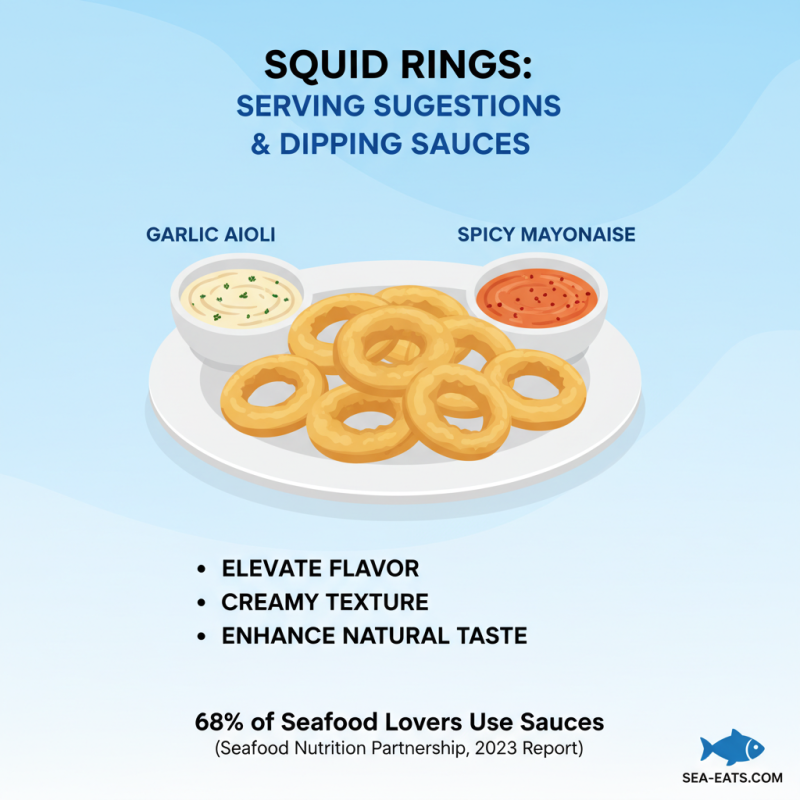
When it comes to serving frozen squid rings, the right dipping sauces can elevate their taste. A 2023 report by Seafood Nutrition Partnership highlighted that 68% of seafood consumers enjoy pairing their dishes with sauces. Classic options like garlic aioli and spicy mayonnaise are popular choices. These options enhance the natural flavors of the squid while adding a creamy texture.
On the other hand, Asian-inspired dips can also work wonders. A tangy soy sauce mixed with wasabi can delight adventurous eaters. Although bold flavors might overwhelm some, they can add an exciting twist to bland squid rings. Remember, the balance of sauce and seafood is crucial.
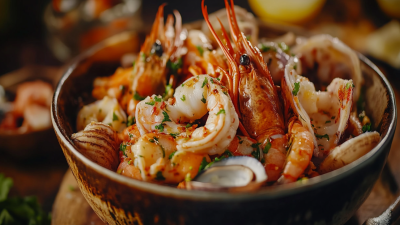
Presentation matters too. A simple sprinkle of fresh herbs like parsley or cilantro can elevate the dish visually. Surprisingly, many people overlook such details. The right plating can make frozen squid rings more appealing. A piece of lemon can also add a fresh look and flavor. However, it’s important not to skimp on the seasoning. The squid rings need seasoning to avoid a lackluster experience.