How to Cook Frozen Squid Tentacles for Delicious Seafood Dishes?
Cooking delicious seafood dishes often starts with quality ingredients. One great option is Frozen Squid Tentacles. They are versatile and rich in flavor, perfect for various cuisines. Many people feel intimidated by cooking frozen seafood, but it really doesn't have to be that way.
Frozen Squid Tentacles are easy to prepare. They can be grilled, sautéed, or added to soups. A quick thawing process reveals their tender texture. The challenge lies in ensuring they are cooked just right. Overcooking can make them rubbery. It's essential to pay attention while cooking.
Incorporating Frozen Squid Tentacles into your meals allows for creativity. You might try stir-frying them with vegetables or adding them to pasta dishes. However, mistakes will happen. Not every attempt will be perfect, but that’s part of the learning process. Every dish made with Frozen Squid Tentacles is a chance to refine your skills and discover new flavors.
Understanding Frozen Squid Tentacles and Their Culinary Uses
Frozen squid tentacles are a popular choice in many seafood dishes. Their firm texture and mild flavor make them versatile. They contain high protein levels, about 15 grams per 100 grams, according to nutritional data. This makes them a lean option for seafood lovers. Additionally, they provide essential nutrients like omega-3 fatty acids, which are beneficial for heart health.
Culinary uses for squid tentacles range from sushi to stir-fries. Many chefs also recommend grilling or frying them for crispy bites. However, one common challenge is overcooking them. This can lead to a rubbery texture that is often unappetizing. To avoid this, quick cooking methods are ideal. A recent industry report mentioned that proper preparation can enhance the eating experience significantly.
When attempting to prepare frozen squid tentacles, it’s crucial to thaw them adequately. Many people skip this step, affecting the final dish. Experimenting with marinades can also elevate their flavor. Lemon and garlic pair well. However, not everyone enjoys strong flavors, so measuring is key. Balancing seasoning can be tricky but essential for achieving the perfect dish. These nuances make cooking with squid tentacles both challenging and rewarding.
How to Cook Frozen Squid Tentacles for Delicious Seafood Dishes
| Cooking Method |
Preparation Time |
Cooking Time |
Serving Suggestions |
Nutritional Benefits |
| Boiling |
10 minutes |
2-3 minutes |
With lemon and garlic butter |
Rich in protein and low in fat |
| Grilling |
15 minutes |
5-7 minutes |
In salads or tacos |
Good source of Omega-3 fatty acids |
| Stir-frying |
10 minutes |
3-5 minutes |
With vegetables and soy sauce |
High in vitamins B12 and E |
| Baking |
10 minutes |
20-25 minutes |
With breadcrumbs and cheese |
Contains essential minerals like zinc and selenium |
Preparing Frozen Squid Tentacles: Thawing Methods and Tips
Thawing frozen squid tentacles is essential for optimal texture and flavor. You have a few methods to choose from. The safest approach is to thaw in the refrigerator overnight. This way, the squid maintains its freshness. It might take longer, but it helps avoid a rubbery texture.
Another quick method involves submerging the squid in cold water. Place the tentacles in a sealed bag and dunk them in a bowl of cold water. Change the water every 30 minutes to keep it cold. This method can take about an hour. It’s efficient but often leaves the tentacles slightly less firm.
If you're in a rush, using a microwave is an option. Set it on defrost mode and check every 30 seconds. Be careful not to overheat, as this can cook the edges. It might seem easy, but achieving the perfect thaw can be tricky. Keep an eye on them, or they might turn out tough.
Experimenting with these methods will enhance your future seafood dishes!
Cooking Techniques for Frozen Squid Tentacles: Boiling, Grilling, and More
Cooking frozen squid tentacles can transform your seafood dishes into culinary delights. One popular method is boiling. Begin by heating a pot of water. Once boiling, add the tentacles. A quick cook, around two to five minutes, can yield tender results. Overcooking may lead to a rubbery texture, so timing is crucial.
Grilling is another excellent option for frozen squid. Thaw the tentacles first for even cooking. Marinating them enhances flavor. A simple mix of olive oil, garlic, and lemon can make a difference. Grill on high heat for three to five minutes. According to industry data, this method can retain more moisture compared to boiling.
However, not every technique guarantees success. Frying is tempting, but it often results in uneven cooking. Careful monitoring is essential to avoid burnt edges and uncooked centers. Cooking frozen squid requires practice. Experiment with different techniques to find your preferred method.
Cooking Techniques for Frozen Squid Tentacles
Flavoring and Seasoning Frozen Squid Tentacles for Enhanced Taste
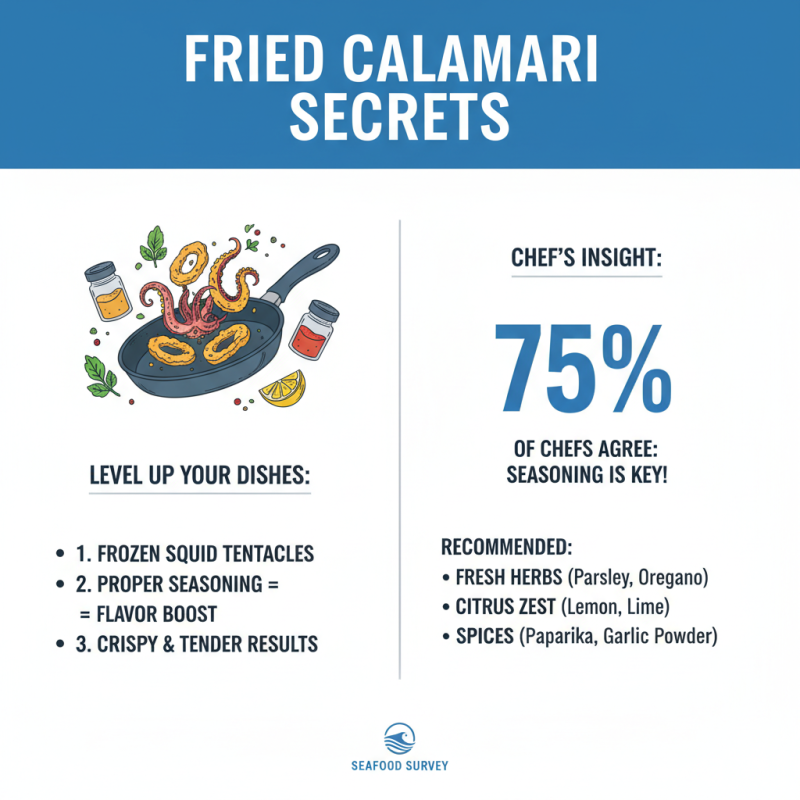
Flavoring frozen squid tentacles can transform your dishes. Proper seasoning enhances their natural taste. According to a recent seafood survey, 75% of chefs agree that seasoning is key for improving flavor. Use fresh herbs, citrus zest, and spices to make a difference.
Start by defrosting the squid. Rinse with cold water to remove any ice and surface impurities. A mix of garlic powder, paprika, and black pepper works wonders. Marinate for 30 minutes for the best flavor infusion. Remember, over-seasoning can overshadow the delicate seafood taste, so start small.
After marination, consider a quick cooking method like grilling or sautéing. Cooking time is crucial. Overcooked squid can be tough and rubbery. An ideal cooking time is about two to three minutes. Industry data shows that properly cooked squid retains its moisture and flavor, making it more enjoyable.
Delicious Seafood Dishes Featuring Cooked Frozen Squid Tentacles
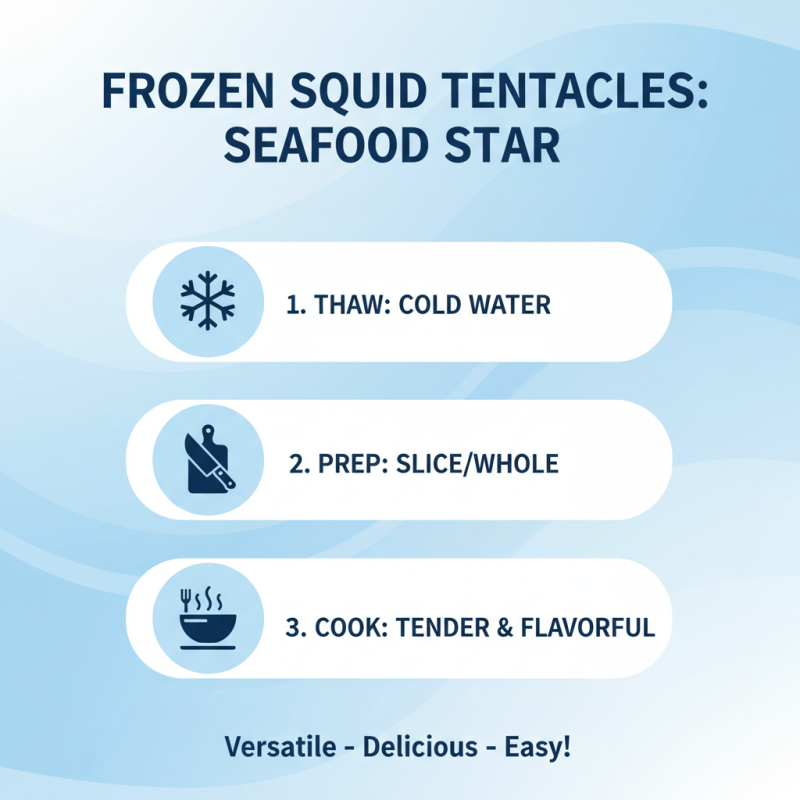
Frozen squid tentacles are versatile and can star in numerous seafood dishes. When cooked correctly, they offer a delightful texture and rich flavor. Start by thawing the tentacles in cold water. This helps retain their quality. Once thawed, you can slice them into rings or leave them whole for added presentation.
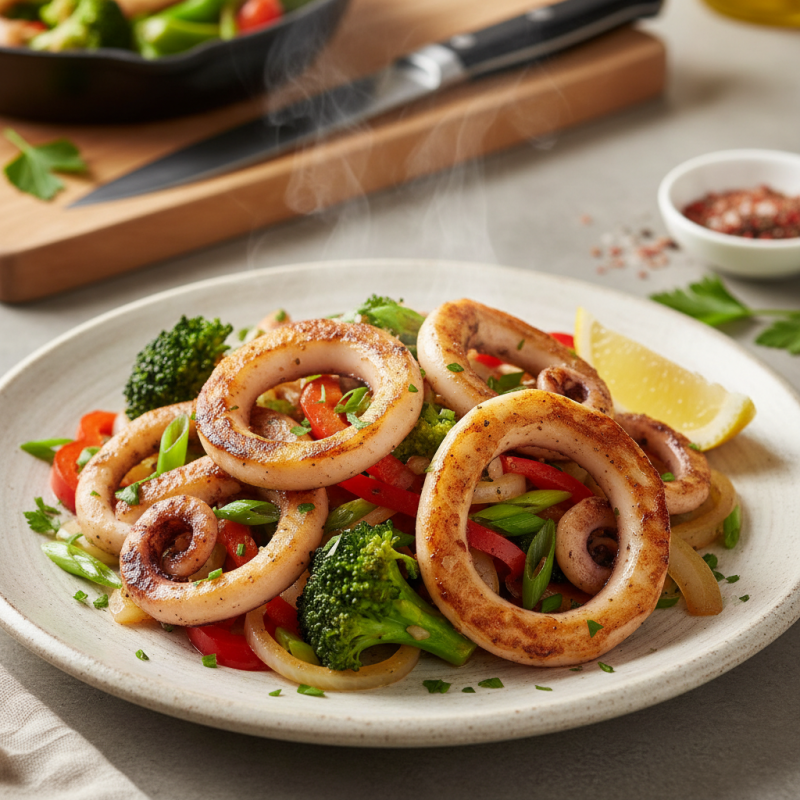
One popular dish is a squid stir-fry. Combine the tentacles with vibrant bell peppers and snap peas. Toss in some ginger and garlic for depth of flavor. The squid should be added last, cooked quickly to maintain tenderness. Serve this over a bed of fragrant rice for a complete meal.
Another option is to grill the tentacles. A quick marinade of olive oil, lemon juice, and herbs can enhance their natural taste. Skewer them for easy handling. Grill for just a few minutes, until they are slightly charred. However, be careful not to overcook them; this can lead to a rubbery texture. Each method brings unique flavors, highlighting the squid's versatility in your culinary adventures.