How to Cook Frozen Seafood Mix for Delicious Healthy Meals
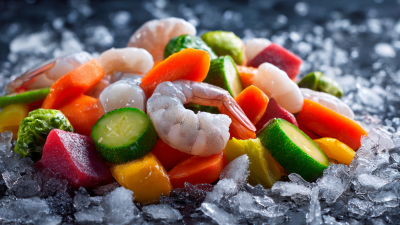
Cooking with a Frozen Seafood Mix is a convenient and healthy way to prepare flavorful meals without the hassle of precisely sourcing fresh seafood. These pre-packaged blends often contain a delightful variety of seafood, including shrimp, scallops, and various fish, ready to be transformed into a gourmet dish. With their rich taste and high nutritional value, utilizing a Frozen Seafood Mix can elevate your meals while keeping preparation time to a minimum.
In this guide, we will explore easy cooking methods and delicious recipe ideas that make the most out of your Frozen Seafood Mix. Whether you're looking for a quick weeknight dinner or a more elaborate dish for entertaining, the versatility of seafood allows for endless culinary creativity. By incorporating this frozen option into your meal planning, you can enjoy the benefits of seafood, such as omega-3 fatty acids, without compromising on flavor or convenience. Get ready to dive into the delightful world of frozen seafood and discover just how simple and satisfying these meals can be!
Choosing the Right Frozen Seafood Mix for Your Meal
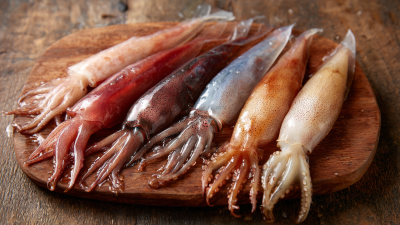
When selecting a frozen seafood mix for your meals, there are several factors to consider that can significantly enhance both taste and nutritional value. The key is to look for a blend that offers a variety of seafood, such as shrimp, calamari, and mussels, as this not only introduces diverse flavors but also provides a spectrum of essential nutrients.
According to the Seafood Nutrition Partnership, seafood is a rich source of omega-3 fatty acids, proteins, and vitamins, making it a smart choice for healthy eating. Studies have shown that incorporating seafood into your diet can reduce the risk of chronic diseases and supports heart health.
When browsing for frozen seafood mixes, check for quality indicators, including sustainability certifications such as the Marine Stewardship Council (MSC). Research from the National Oceanic and Atmospheric Administration (NOAA) indicates that sustainable seafood is not only better for ocean health but also often offers superior taste and quality. Additionally, opting for seafood that is wild-caught, rather than farmed, can yield higher levels of beneficial nutrients. It's also prudent to select mixes that are flash-frozen immediately after harvest, as this process helps retain freshness and nutritional content. Prioritizing these factors when choosing a frozen seafood mix can lead to more delicious and healthy meals, making your culinary experience both satisfying and nutritionally beneficial.
Thawing Techniques for Frozen Seafood Mix: A Step-by-Step Guide
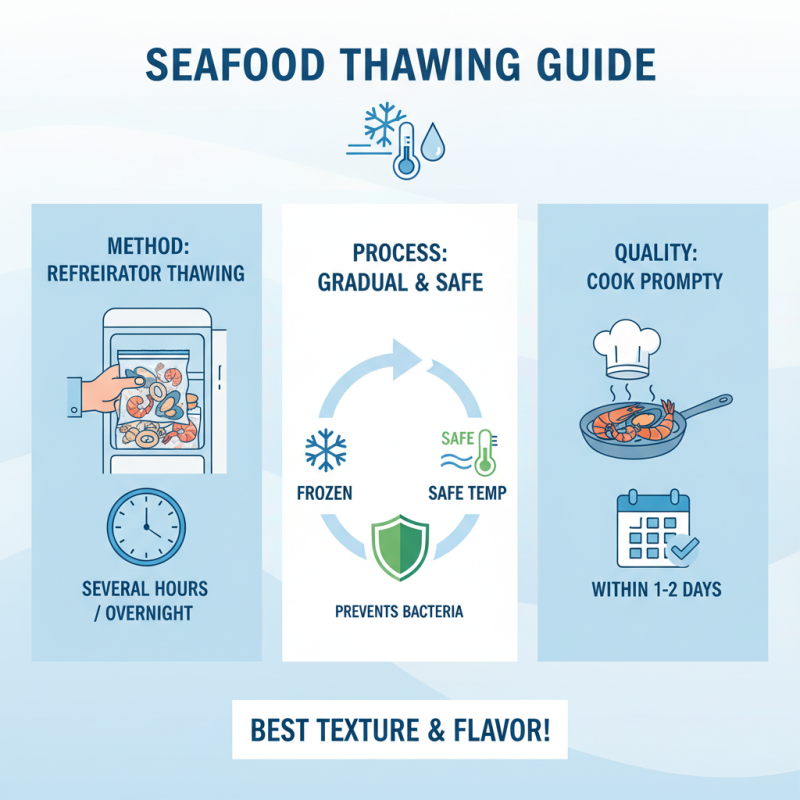
Thawing frozen seafood mix properly is crucial for preserving its texture and flavor. One effective method is to use the refrigerator. Simply transfer the frozen seafood mix from the freezer to the fridge for several hours or overnight. This gradual thawing process ensures that the seafood remains at a safe temperature, preventing any bacterial growth. Once thawed, be sure to cook the seafood mix within 1-2 days for the best quality and taste.
Another quick and convenient technique is to use cold water. Place the seafood mix in a sealed plastic bag and submerge it in a bowl of cold water. Change the water every 30 minutes to maintain a cold temperature. This method can thaw your seafood mix in as little as an hour, making it ideal for last-minute meal preparations. Always ensure that the seafood is cooked immediately after thawing for optimal freshness and safety.
Tips: To further enhance your seafood meals, consider marinating the mix with herbs and spices after thawing but before cooking. This step not only adds flavor but also can help tenderize the seafood. Additionally, avoid refreezing previously thawed seafood, as this can compromise its quality. By following these thawing techniques, you can enjoy delicious, healthy seafood dishes with minimal effort.
Cooking Methods: Boiling, Sautéing, and Baking Seafood Mix
When it comes to cooking frozen seafood mix, three popular methods stand out: boiling, sautéing, and baking. Each method offers a unique way to highlight the natural flavors of the seafood while ensuring that it remains tender and delicious.
Boiling is a straightforward technique that involves simmering the seafood mix in salted water or broth. This method not only cooks the seafood quickly but also helps to infuse moisture and flavor throughout the mix. Simply bring the water to a gentle boil, add the seafood, and cook for just a few minutes until it turns opaque and is cooked through.
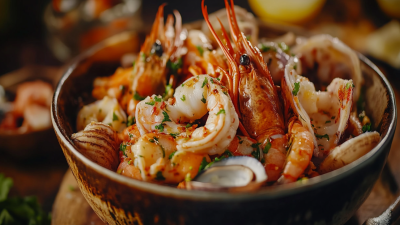
Sautéing is another fantastic approach that elevates the taste of frozen seafood. By using a hot skillet with a bit of oil, you can achieve a delightful sear, adding both flavor and texture. Start by heating the oil and adding aromatics like garlic or onions. Once they are fragrant, add the seafood mix and sauté over medium-high heat. This method allows you to cook the seafood evenly while incorporating additional seasonings or vegetables, making for a hearty and nutritious meal.
Lastly, baking is a great hands-off option for those who prefer a more set-it-and-forget-it style of cooking. Preheat your oven and place your frozen seafood mix in a baking dish with a drizzle of olive oil and your choice of herbs and spices. The seafood will cook evenly as it bakes, allowing all the flavors to meld together beautifully. This method is particularly great for preparing larger portions and can easily be complemented with sides like roasted vegetables or grains, providing a well-rounded meal.
Flavoring Your Frozen Seafood Mix with Spices and Herbs
To elevate your frozen seafood mix, incorporating an array of spices and herbs is essential. Begin by thawing the seafood mix in the refrigerator or under cold water. Once thawed, pat it dry to remove excess moisture, which helps enhance the flavors during cooking.
One of the simplest ways to start flavoring is to create a seasoning mix. Combine garlic powder, paprika, and a pinch of cayenne for a bit of heat. This blend not only complements the natural flavors of seafood but also adds a delightful kick.
Next, incorporate fresh herbs to brighten the dish. Chopped parsley or cilantro works wonderfully, adding freshness and color. For an aromatic touch, consider using dill or thyme; these herbs enhance the seafood's profile without overpowering it. A squeeze of lemon juice just before serving can also help to balance the richness of the seafood.
Experimenting with different combinations of spices and herbs allows you to create a signature flavor profile that suits your taste preferences while making your meals healthy and delicious.
Healthy Pairings: Sides and Sauces for Seafood Mix Dishes
When cooking a frozen seafood mix, the right sides and sauces can elevate your dish to a new level of flavor and nutrition. For a healthy pairing, consider serving your seafood with a fresh vegetable medley.
Steamed asparagus, sautéed spinach, or roasted Brussels sprouts not only add vibrant color but also provide fiber and essential vitamins. The key is to lightly season the vegetables with olive oil, garlic, and a squeeze of lemon to complement the seafood's natural taste.
Tips: To enhance your vegetable side dishes, try adding a sprinkle of herbs like dill or parsley that pair beautifully with seafood. Additionally, incorporating whole grains such as quinoa or brown rice can provide a hearty base for your meal, making it more filling and nutritious.
For sauces, a light citrus vinaigrette or a homemade garlic herb sauce can amplify the flavors without overwhelming the dish. A simple blend of olive oil, fresh lemon juice, minced garlic, and chopped herbs can be drizzled over the cooked seafood and vegetables for added zest. Alternatively, a spicy chili sauce can be served on the side for those who enjoy a bit of heat.
Tips: When making sauces, balance is key. A hint of sweetness, such as honey or a touch of sugar, can counteract acidity, creating a well-rounded flavor profile.