How to Cook Frozen Squid Rings Perfectly at Home?
Cooking Frozen Squid Rings can seem daunting for many home cooks. However, with the right tips and techniques, it is possible to achieve crispy, flavorful results. Chef Marco Santini, an expert in seafood preparation, emphasizes, "Perfecting squid rings is all about patience and technique."
Squid rings can lose their appeal if not cooked correctly. Overcooking can leave them rubbery, while undercooking might affect safety. Many struggle with timing and temperature, leading to mixed results. Proper thawing is also crucial. It’s tempting to skip this step or rush it, but that can lead to uneven cooking.
When Cooking Frozen Squid Rings, it's essential to pay attention to detail. The right oil temperature ensures a satisfying crunch. Yet, even seasoned cooks might find they still have room for improvement. Adjusting seasonings or experimenting with marinades can elevate the dish. Cooking offers endless learning opportunities, and frozen squid rings are no exception.
Choosing the Right Frozen Squid Rings for Cooking
Choosing the right frozen squid rings can significantly influence your cooking experience. Look for rings that appear firm and translucent. They should not have excessive ice crystals or signs of freezer burn. Opt for products that use squid only. Additives or preservatives can alter the taste.
When selecting, check for the color. Quality squid rings are a milky white or light pink. If they look dull or grey, consider another option. Also, pay attention to size; larger rings may require longer cooking times, while smaller ones can overcook quickly.
Remember that frozen squid rings might vary in quality. Some brands may hide imperfections behind fancy packaging. It's wise to experiment with different sources. Trust your instincts when choosing. A well-chosen product will enhance your dish.
Thawing Frozen Squid Rings Safely and Effectively
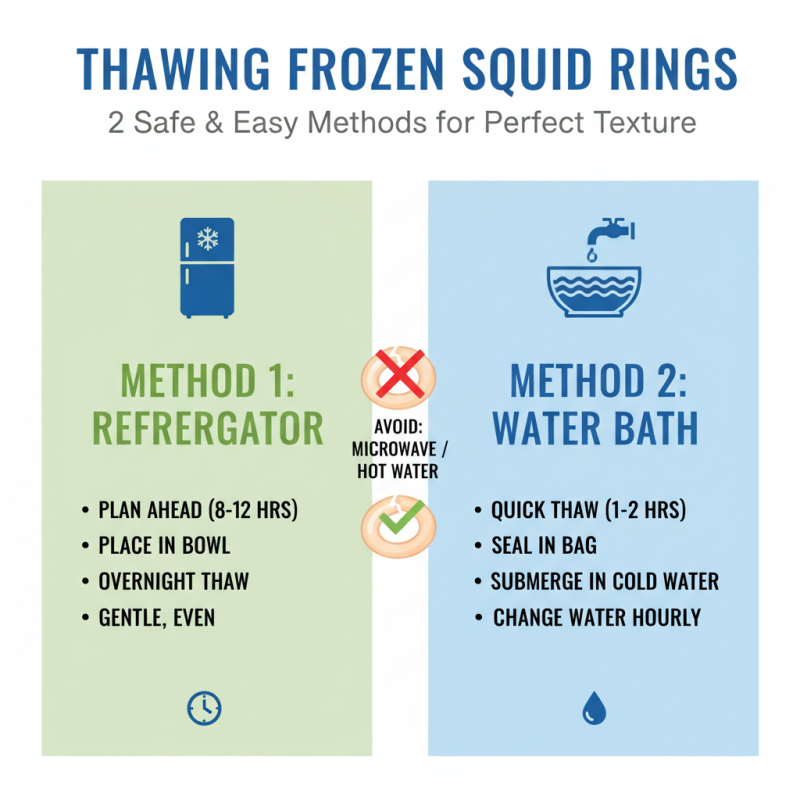
Thawing frozen squid rings can be tricky. If done incorrectly, the texture turns mushy. There are two safe methods to thaw them. Plan ahead and use the refrigerator, or opt for a quick water bath.
If using the refrigerator, take the squid rings out of the freezer. Place them in a bowl or tray. This prevents any watery mess in your fridge. Leave them overnight to fully thaw. Ensure they are in a sealed bag to avoid cross-contamination.
For a faster method, use cold water. Submerge the sealed bag in a bowl of cold water. Change the water every 30 minutes to keep it chill. This generally takes about an hour. Don't use hot water. It can make the squid cook unevenly. If you notice some rings still frozen, it’s okay. Just give them a little more time.
Best Cooking Methods for Frozen Squid Rings
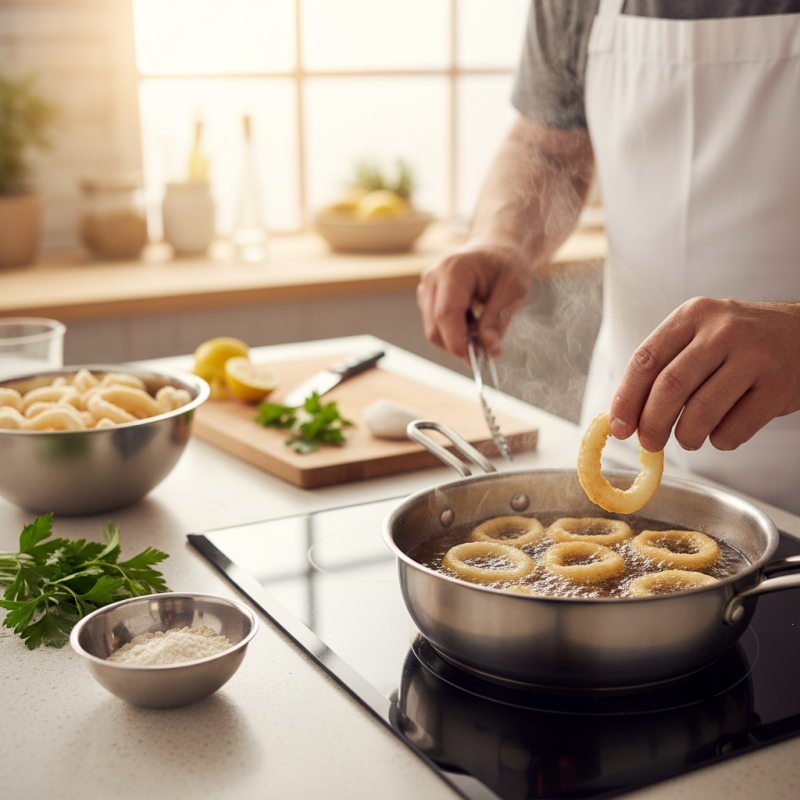
Cooking frozen squid rings can be a delightful experience if done right. The key lies in selecting the best method. One popular approach is deep-frying. Heat the oil to the right temperature. It should be hot enough for rapid cooking. Too low, and the squid will become greasy. Aim for a crisp exterior, yet tender inside.
Alternatively, you can bake the squid rings for a healthier option. Preheat your oven to 400°F (200°C). Arrange the squid rings in a single layer on a baking sheet. Lightly coat them with oil and season as desired.
Watch them closely. Overbaking can lead to rubbery texture. The goal is a golden finish with a slight crunch.
Equally, grilling adds a smoky flavor. Marinate your squid rings briefly for added depth. Skewering helps for even cooking. Keep the heat moderate. It’s easy to overcook, which can ruin the dish. Each method presents unique challenges, encouraging you to adjust your timing and seasoning. Experimentation is key to finding your perfect technique.
Seasoning and Marinating Frozen Squid Rings for Enhanced Flavor
Marinating frozen squid rings can elevate their taste significantly. Start by thawing your squid rings. This step is crucial. If they're still frozen, the marinade won't penetrate well. After thawing, pat them dry with a paper towel. Moisture on the surface can dilute your flavors.
For the marinade, consider a mix of olive oil, lemon juice, and garlic. These ingredients complement the natural sweetness of the squid. Aim for a balance. Too much lemon can overpower, while too little may leave the taste flat. Let them soak for at least 30 minutes. If you have more time, letting them marinate for a few hours is even better.
Adding spices like paprika or black pepper can enhance the flavors. However, be cautious with chili; it can easily become overpowering. Test a small batch if unsure. Eating under-seasoned squid can be disappointing. Remember, over-marinating can make the texture mushy, so find that sweet spot. A little trial and error is part of the cooking journey. Enjoy the process and get creative!
Serving Suggestions and Pairings for Squid Rings Dishes
Frozen squid rings can become a delightful dish when paired correctly. They are versatile and can be complemented in numerous ways. For a classic approach, consider serving fried squid rings with a squeeze of fresh lemon. This simple addition brightens up the flavor and enhances the seafood's natural taste.
Another great option is to prepare a spicy dipping sauce. Mix mayonnaise with sriracha for a creamy and zesty twist. The heat will wake up your taste buds and make the squid rings even more enjoyable. Try pairing them with a side of crunchy coleslaw. The coolness of the coleslaw offsets the warm, crispy rings beautifully.
Don’t forget about drinks. A light beer or a crisp white wine works well here. However, not every pairing may hit the mark. Experiment with different sauces or side dishes to find what truly complements your palate. Embrace the process and remember, it’s all about balance and personal preference. Enjoy the journey of discovery!