Frozen Squid Tubes Cooking Tips for Perfect Meals?
Cooking with Frozen Squid Tubes can be a delicious adventure, but it requires some skill. These versatile, tasty ingredients offer unique flavors and textures. Although they are easy to prepare, some common mistakes can spoil the dish.
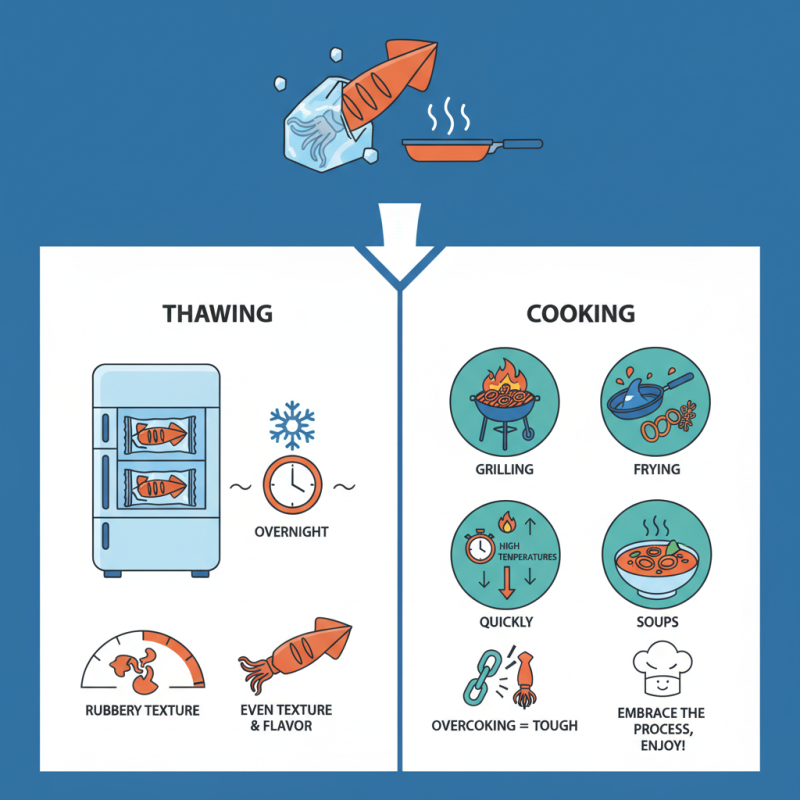
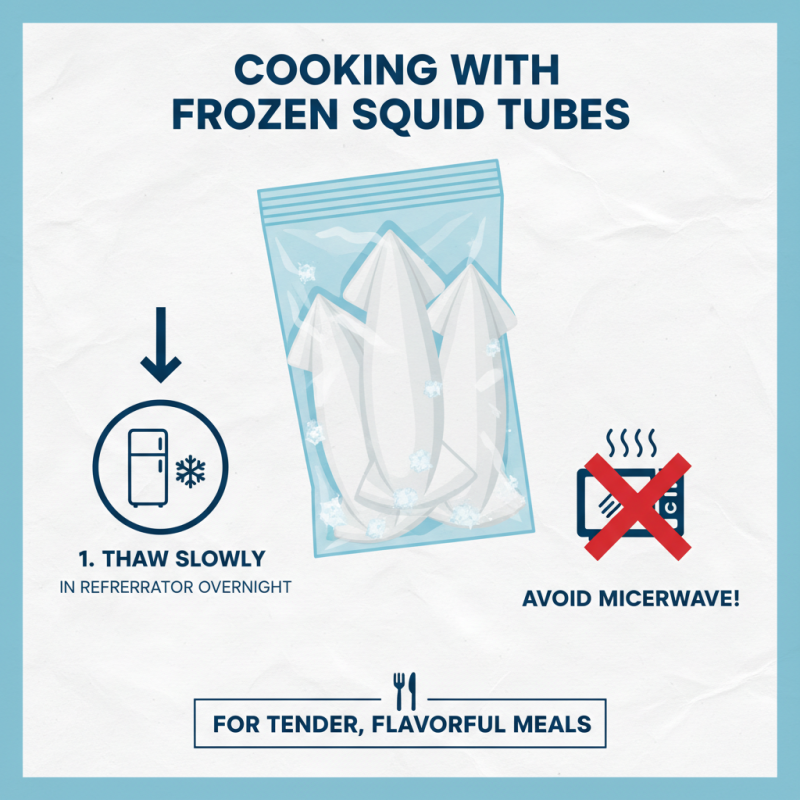
When working with Frozen Squid Tubes, it is crucial to pay attention to thawing. Over-thawing can lead to a rubbery texture. It is best to thaw them slowly in the refrigerator overnight. This allows for a more even texture and better flavor retention.
The cooking method can greatly influence the outcome. Whether grilling, frying, or adding them to soups, Frozen Squid Tubes should be cooked quickly at high temperatures. Watching the cooking time is vital. Overcooking can make them tough. Mistakes are easy to make, but each dish is a chance to improve your skills. Embrace the process, and enjoy every bite!
Selection of Quality Frozen Squid Tubes for Cooking
When choosing frozen squid tubes, quality is paramount. Look for products that are translucent and have a glossy appearance. Freshness indicators are crucial. A strong seafood smell is a red flag. According to the U.S. National Fisheries Institute, over 80% of seafood-related complaints stem from quality issues.
Tips: Always check the packaging for harvest dates and storage information. Avoid packages with ice crystals, which indicate thawing and refreezing.
The texture of squid is delicate yet resilient. Overcooking is a common mistake. It can turn squid rubbery. The optimal cooking time for frozen squid tubes is 2 to 3 minutes on high heat. This ensures they remain tender.
Tips: Thaw squid tubes slowly in the refrigerator overnight. Pat them dry with paper towels before cooking. This enhances the surface and aids in better browning.
Remember, not all frozen squid is created equal. Some may be overly processed. This affects taste and texture. A discerning eye can make a big difference in your meal's success. Quality selection leads to delicious results.
Cooking Tips for Perfect Meals with Frozen Squid Tubes
Thawing Methods for Frozen Squid Tubes
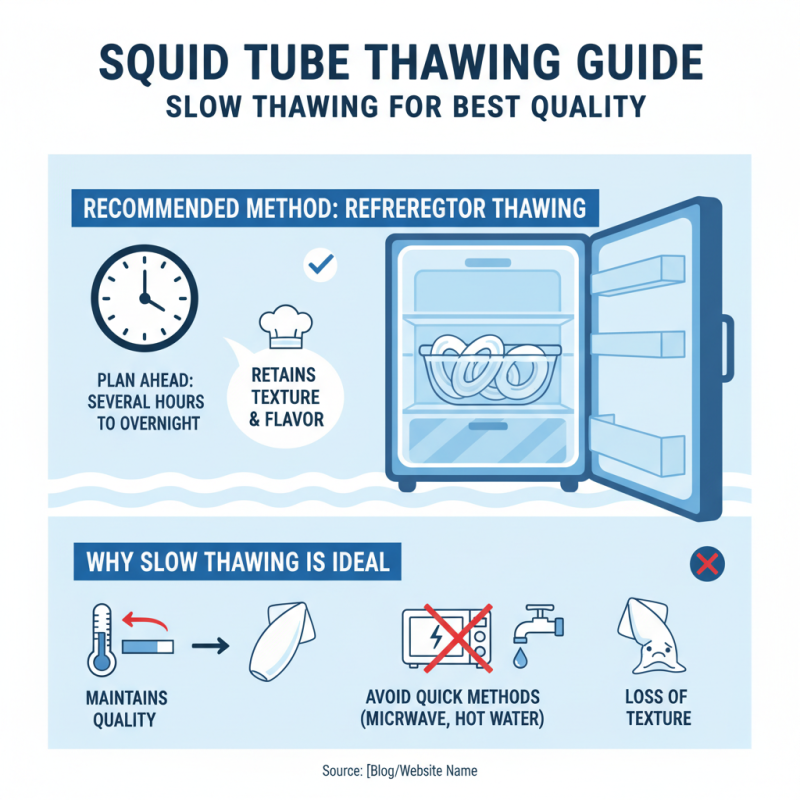
Thawing frozen squid tubes requires careful attention. One popular method is refrigerator thawing. This method retains texture and flavor. Plan ahead, as it takes several hours to overnight. Reportedly, slow thawing is ideal, maintaining quality better than quick methods.
A quicker alternative is cold water thawing. Submerge the sealed squid tubes in cold water. This method usually takes about an hour. It's efficient, but you must monitor it closely. Change the water every 30 minutes to keep it cold. Avoid using hot water; it can lead to uneven cooking.
Microwaving is the fastest method, but it risks compromising quality. Use the defrost setting, and stop once thawed. Some parts may begin cooking, which isn't desired. Remember that squid can be delicate; overcooking leads to toughness. Chefs suggest aiming for a light sauté or grill finish for the best flavor.
Tip: Always pat the squid tubes dry after thawing. Excess moisture can steam the squid, making it rubbery. Enjoy experimenting with different textures and cooking methods. Each attempt is a step towards perfecting your dish.
Essential Preparation Steps Before Cooking Squid Tubes
Preparing frozen squid tubes is crucial for a delightful meal. Begin by thawing them safely. This means placing them in the refrigerator overnight. If you’re in a hurry, submerge them in cold water for about an hour. Avoid using warm water, as it alters the texture.
Once thawed, rinse the squid tubes under cold running water. This step removes any residual ice crystals. It also helps eliminate unwanted smells. Inspect the tubes for any imperfections. If you find any discoloration or damage, consider discarding them.
Next, you can cut the squid tubes into rings or leave them whole. The size depends on your desired dish. For a crispier texture, score the outside lightly. This technique allows better cooking. Don’t forget to marinate if time permits. A simple mix of olive oil, garlic, and lemon juice enhances flavor. These preparation tips will help you achieve perfection every time.
Cooking Techniques for Flavorful Squid Tube Dishes
Cooking with frozen squid tubes can elevate your meals with unique flavors. To start, thaw the squid tubes slowly. Avoid using a microwave; it can make the texture rubbery. Instead, place them in the refrigerator overnight. This helps maintain their delicate nature.
When preparing squid tubes, consider the cooking method. Grilling adds a smoky flavor, while sautéing can enhance aromatics with garlic and fresh herbs. Be cautious not to overcook them. Squid cooks quickly and becomes tough if left on heat for too long. Slice them into rings for even cooking or keep them whole for presentation.
Experimenting can lead to culinary discoveries. However, not every attempt will yield delicious results. It’s okay to make mistakes. Maybe the seasoning was too strong or the timing off. Each experience adds to your cooking journey. Embrace the process, learn, and savor the flavors.
Serving Suggestions and Pairings for Squid Tube Meals
When preparing frozen squid tubes, the right serving suggestions can elevate your meal. Squid tubes have a subtle flavor that pairs well with various ingredients. A simple dish might feature grilled squid tubes drizzled with a tangy lemon-garlic sauce. The freshness of lemon cuts through the richness of the squid too.
Consider pairing squid tubes with colorful salads. Fresh greens, cherry tomatoes, and a light vinaigrette complement the seafood beautifully. You can also add sliced avocados for creaminess. Try colorful bell peppers for added crunch. These vibrant elements can bring texture to the dish.
Don’t forget about sides! Garlic bread or rice are excellent options. They absorb flavors while balancing the meal's richness. Yet, be cautious not to overcook the squid. It can become rubbery if left too long on the heat. Take your time to experiment with spices. Sometimes, less is more.
Frozen Squid Tubes Cooking Tips for Perfect Meals
| Cooking Method |
Cooking Time |
Serving Suggestions |
Flavor Pairings |
| Grilling |
5-7 minutes |
Serve with lemon wedges and fresh herbs |
Garlic, Olive Oil, Parsley |
| Sautéing |
3-5 minutes |
Toss with pasta and cherry tomatoes |
Chili Flakes, Basil, Parmesan |
| Baking |
15-20 minutes |
Serve over a bed of greens |
Lemon Zest, Feta Cheese, Capers |
| Stewing |
20-30 minutes |
With rice or crusty bread |
Tomato, Onion, Bell Peppers |