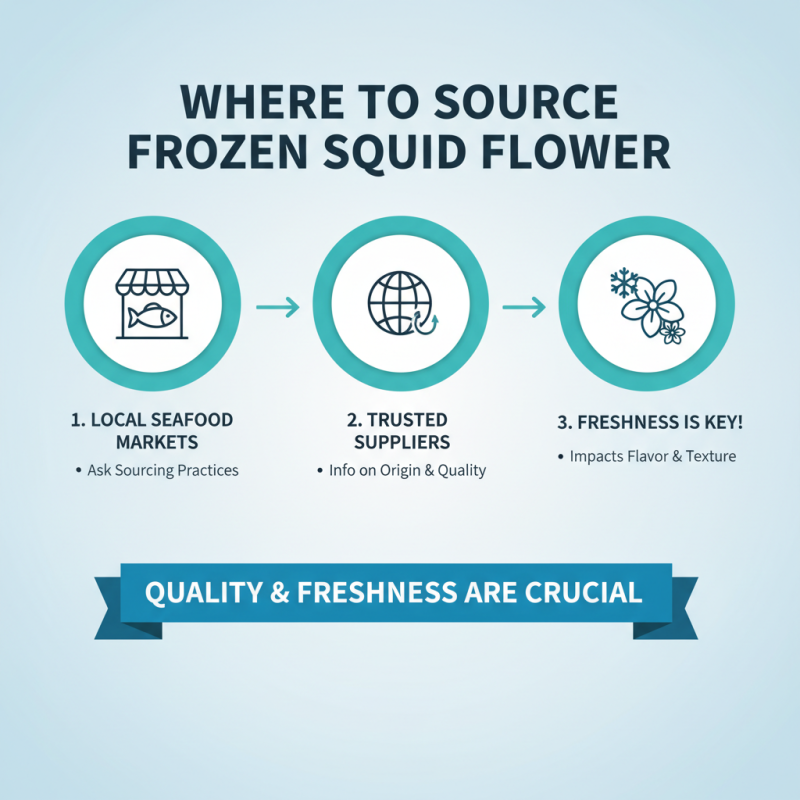
What is Frozen Squid Flower and How to Source It?
Frozen Squid Flower is rapidly gaining attention in the seafood industry. This unique product combines culinary appeal with nutritional benefits. According to a recent industry report by Seafood Source, the market for frozen seafood is projected to grow by 12% annually.
Dr. Emily Chen, a marine biologist and seafood expert, states, "Frozen Squid Flower offers both quality and sustainability." This highlights the growing demand for responsibly sourced seafood. The key to its growth lies in sourcing high-quality squid, which can be challenging.
Furthermore, the preparation process remains crucial. Obtaining the perfect texture while preserving flavor is no easy feat. Despite its potential, some suppliers struggle with consistency. This raises the question of how the industry can improve sourcing practices. Ultimately, exploring Frozen Squid Flower requires attention to detail and commitment to quality.
What is Frozen Squid Flower?
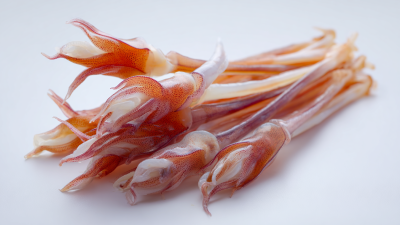
Frozen squid flower, often called squid blossom, is a unique seafood item popular in various cuisines. It features a distinct shape, resembling a flower. The product is derived from fresh squid that is meticulously cleaned and processed. Freezing helps preserve its tenderness and flavor, making it a favored choice for seafood lovers.
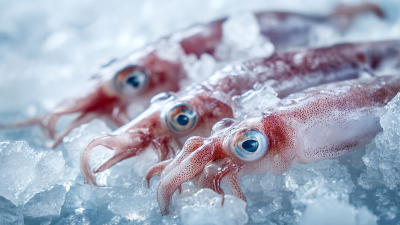
When sourcing frozen squid flower, quality is essential. Look for suppliers who specialize in seafood. Ensure that the squid is sourced from sustainable fisheries. It’s crucial to check for proper certifications. Freshness should be evaluated based on color and texture. A bright, even coloration often indicates high quality. If the squid appears discolored, it may not be fresh.
Tips: Always read labels carefully. Frozen squid should be stored at consistent temperatures. This ensures that the texture remains intact. Experimenting with different cooking methods can enhance its flavor. Consider grilling or sautéing with light seasonings. These methods help maintain the squid flower’s delicate flavor. Don’t forget to pair it with fresh vegetables or a tangy sauce for balance.
Keep in mind that cooking times can vary. Overcooking may result in rubbery texture. Finding the right balance can require some trial and error. Learning from your cooking experiences can lead to delicious outcomes.
Nutritional Benefits of Frozen Squid Flower
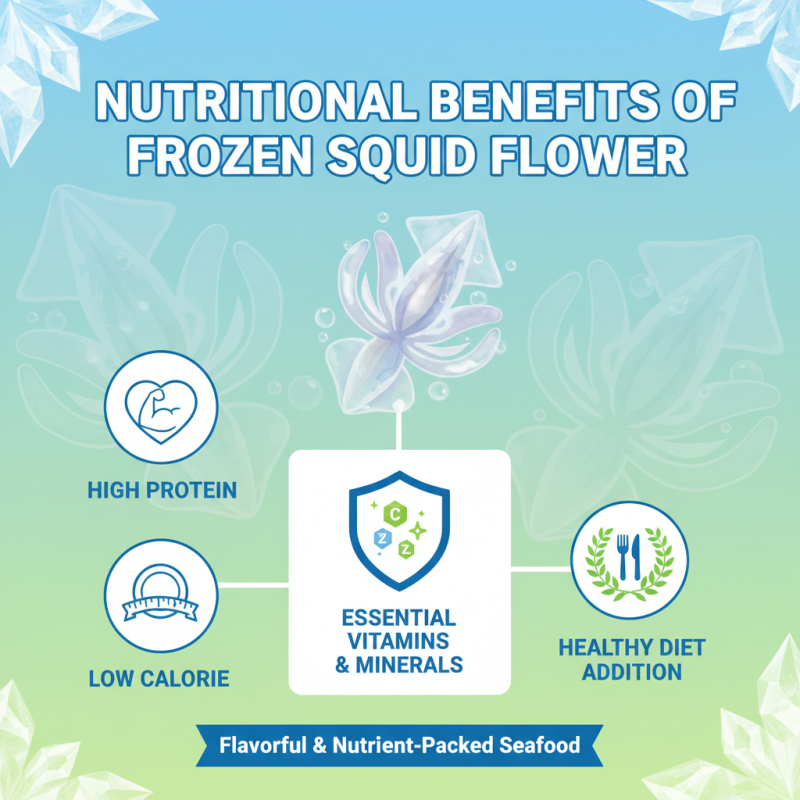
Frozen squid flower is a unique seafood item. It is the mantle, rich in flavor and texture. This product offers numerous nutritional benefits. A serving can be low in calories, while high in protein. It contains essential vitamins and minerals, making it a healthy addition to any diet.
Tips: When sourcing frozen squid flower, look for products with clear packaging. Ensure there are no signs of freezer burn. Quality can vary, so check for a trustworthy supplier.
Frozen squid flower is a good source of omega-3 fatty acids. These healthy fats support heart health and reduce inflammation. Additionally, it contains vitamin B12, vital for energy production. This seafood can enhance your meals with a subtle, ocean-like taste. Pair it with vegetables for a balanced dish.
Tips: Experiment with different cooking methods. Grilling, sautéing, or boiling can highlight its delicate flavor. Avoid overcooking, as this can lead to a rubbery texture.
Culinary Uses of Frozen Squid Flower
Frozen squid flower, or the flabby structure of squid that is often sold for convenience, has become a culinary favorite. Its soft texture and subtle flavor allow it to absorb seasonings well, making it versatile in various dishes. According to seafood market reports, frozen squid products account for a significant share of the global seafood trade,
showing a steady growth in demand.
Culinary experts often recommend utilizing frozen squid flower in stir-fries and soups. Its adaptability makes it suitable for Mediterranean, Asian, and fusion cuisines. One study highlighted that squid can provide essential nutrients like
protein and omega-3 fatty acids, which are vital for a balanced diet. However, chefs note that overcooking can lead to an unappetizing rubbery texture, demanding careful attention during preparation.
Some consumers have expressed concerns over sourcing fresh versus frozen options. While fresh squid can be locally sourced, it may not always guarantee quality or taste. Frozen squid flower, if sourced from reputable suppliers, provides consistency and nutritional benefits. It’s intriguing that, despite the convenience, some remain hesitant due to misconceptions about the freezing process.
Ultimately, both forms have their merits and challenges, reflecting the complexities of culinary choices.
Tips for Selecting Quality Frozen Squid Flower
When selecting quality frozen squid flower, focus on several key factors. Freshness is paramount. Ideally, the squid should be frozen shortly after catch. Look for a bright white color, indicating high quality. Dark spots may suggest age and poor handling. Many industry reports suggest that squid frozen within hours of harvesting retains better flavor and texture.
Texture is another critical aspect. Quality squid flower should have a firm, slightly chewy texture. If it appears mushy, it may have been thawed and refrozen. According to recent studies, consumers often overlook small details that can indicate freshness. Sourcing from reputable suppliers can minimize the risk of poor-quality product. Ensure that suppliers follow good manufacturing practices to guarantee safety and quality.
Consider the packaging as well. Vacuum-sealed bags help preserve freshness and prevent freezer burn. Invest time in checking the packaging integrity. This can reflect the attention given to quality at every production stage. Research shows that well-packaged frozen seafood products can last longer without compromising taste. Selecting proper frozen squid flower requires diligence but can greatly enhance your culinary experiences.