Frozen Squid Meat Tips for Cooking and Storage Methods?
Frozen Squid Meat has become a popular choice in kitchens worldwide. As Chef Maria Sanchez, a renowned seafood expert, once said, "The key to mastering frozen squid is understanding its texture." This statement reflects the delicate nature of frozen squid meat and the importance of proper handling.
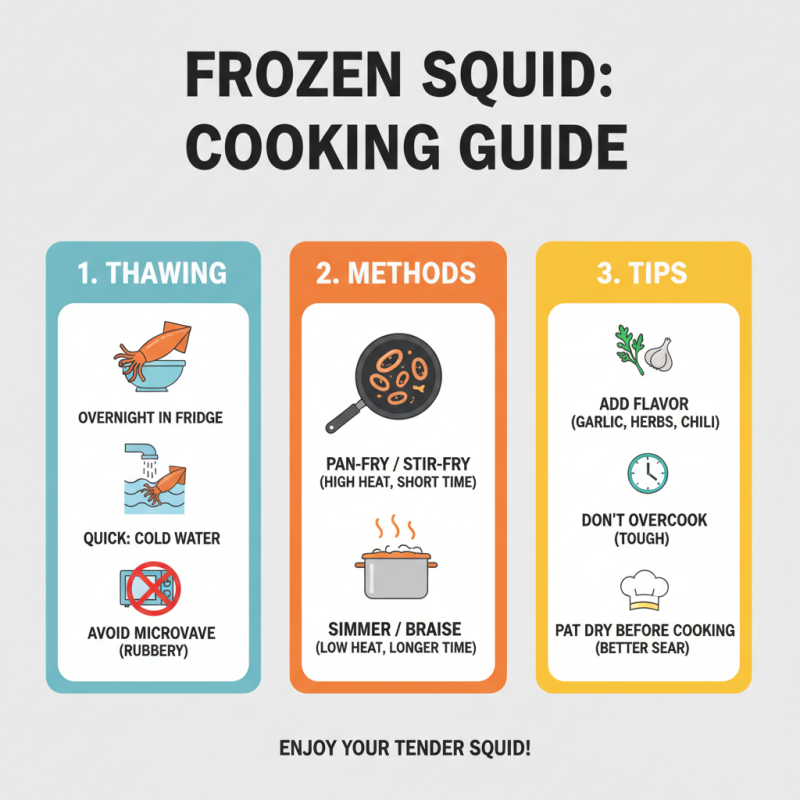
When cooking with frozen squid meat, there are essential tips to consider. First, thawing is crucial. Correct thawing prevents a rubbery texture. It's better to thaw it slowly in the refrigerator. This method maintains freshness and flavor. Chef Sanchez emphasizes, "A little patience goes a long way."
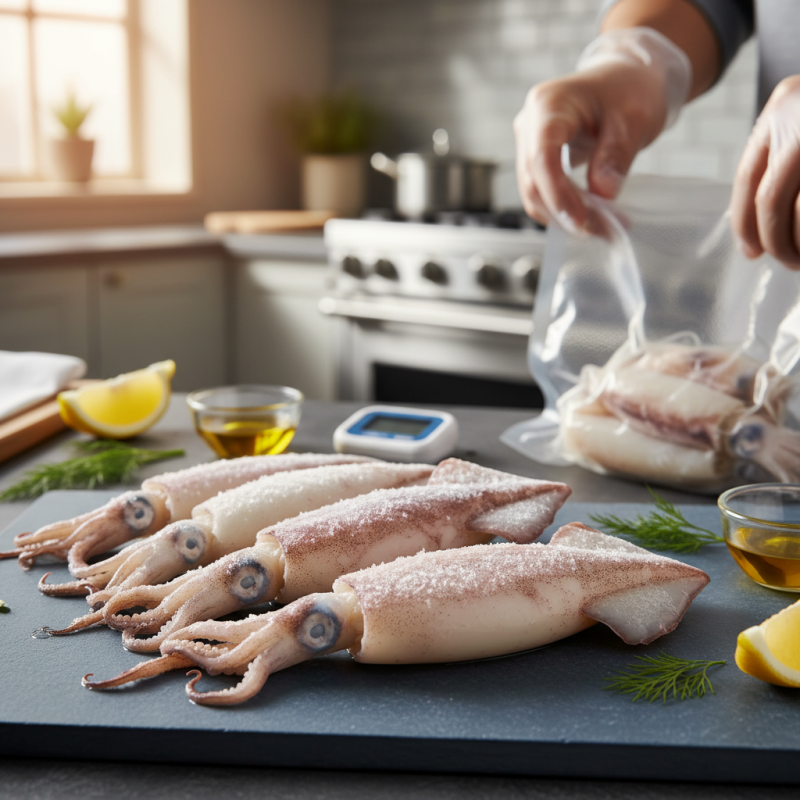
Storage methods also play a vital role. Vacuum-sealing can extend the life of frozen squid meat significantly. It keeps the moisture intact. Remember, avoiding prolonged freezer storage is important to ensure quality. Learning these methods enhances your seafood dishes. With thoughtful preparation and care, you can unlock the culinary potential of frozen squid meat.
Choosing Quality Frozen Squid Meat: What to Look For
When selecting frozen squid meat, look for freshness indicators. The flesh should be firm and glisten with moisture. Avoid squid that appears dull or has white patches, as these may indicate freezer burn. A study showed that high-quality squid should be stored at -18°C or below to maintain its texture and flavor.
Additionally, pay attention to the packaging. Vacuum-sealed bags can help retain moisture and prevent freezer burn. The label should include the catch date. Ideally, choose squid caught within the last six months. Research indicates that squid loses quality after this time frame.
Don't overlook the importance of sourcing. Sustainable and responsible fishing practices can influence the taste and safety of the product. Many consumers prefer squid harvested from well-managed fisheries. However, not all labels provide this assurance. This inconsistency can lead to purchasing inferior products. Look for certifications that verify sustainability, if available.
Frozen Squid Meat Tips for Cooking and Storage Methods
| Quality Indicators |
Storage Methods |
Cooking Tips |
Serving Suggestions |
| Clear eyes and skin, no discoloration |
Store in freezer at -18°C (0°F) or lower |
Quick thaw under cold water |
Serve with lemon and herbs |
| Firm texture and no freezer burn |
Use within 3 months for best quality |
Do not overcook, cook for 2-3 minutes |
Great in salads and pasta dishes |
| Minimal ice crystals on packaging |
Keep sealed until ready to use |
Marinate for added flavor |
Pair with rice or vegetables |
| No strong fishy odor |
Thaw in refrigerator overnight for safety |
Grill or sauté for a smoky flavor |
Excellent in stir-fries and tacos |
Best Cooking Methods for Frozen Squid: A Step-by-Step Guide
Cooking frozen squid can be delightful when you know the best methods. Start by thawing the squid properly. Place it in the refrigerator overnight. If you're short on time, run it under cold water for quicker results. Avoid microwaving, as this can make the squid rubbery.
Once thawed, you can choose your cooking method. Sautéing is great for stir-fries. Heat a little oil in a pan and add garlic for flavor. Cook the squid quickly over high heat. This should take only a few minutes. Grilling gives a smoky taste. Brush with olive oil and season with herbs. Grill until tender, about 2-3 minutes per side.
Remember that timing is crucial. Overcooked squid can become tough. Don’t be afraid to experiment with spices. Unexpected combos can lead to amazing dishes. Store any leftovers in an airtight container, but use them quickly. Squid doesn’t last long in the fridge. Each cooking attempt can teach you something new. Embrace the process!
Thawing Frozen Squid Safely: Techniques and Tips
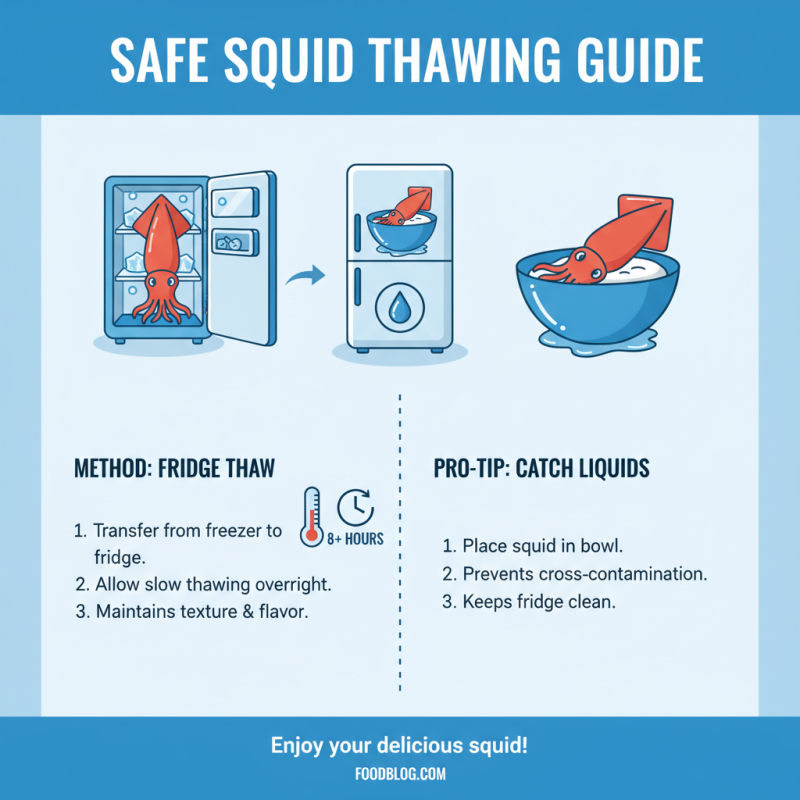
Thawing frozen squid requires careful attention. It's crucial to ensure that you do it safely to maintain texture and flavor. One popular method is to transfer the squid from the freezer to the fridge. This allows for slow thawing, which helps preserve its quality. A good tip is to place it in a bowl to catch any liquid that may leak as it thaws.
Another effective technique is to use cold water. Seal the squid in an airtight bag, then submerge it in cold water. This method takes about an hour, but it’s essential to monitor it closely. Don’t leave it unattended; temperature changes may compromise the meat. Microwaving is not recommended, as it can lead to uneven thawing and rubbery textures.
The final consideration is time management while cooking. Once thawed, squid should be cooked promptly. Leaving it too long may affect its taste. Remember to discard any thawed squid that has an off odor. Always prioritize food safety in your cooking process.
Storage Tips for Frozen Squid: Extending Freshness and Quality
When storing frozen squid, proper techniques are critical for maintaining freshness.
First, ensure the squid is well-packaged. Use vacuum-sealed bags or airtight containers to prevent freezer burn.
If using plastic wrap, seal it tightly, ensuring no air pockets remain. This simple step can enhance the quality of your squid.
Check the temperature of your freezer. A consistent setting of 0°F (-18°C) or lower is ideal. It not only prolongs storage but also retains flavor and texture.
Label your packages clearly with the date. Consuming squid within three months is best for optimal taste.
Thawing is another area deserving attention. Avoid defrosting squid at room temperature.
A better method is to transfer it from the freezer to the fridge the night before cooking.
If you're short on time, a quick soak in cold water can work.
However, be cautious; over-soaking can lead to mushiness. Each step plays a role in ensuring your squid remains delicious and enjoyable.
These details might seem minor, but they significantly impact your culinary experience.
Common Cooking Mistakes to Avoid with Frozen Squid
Cooking with frozen squid can be rewarding, but many make common mistakes. One critical error is not thawing squid properly. Thawing in hot water or at room temperature leads to a mushy texture. The ideal method is to refrigerate the squid overnight. This slow thaw preserves quality.
Another mistake is overcooking. Squid cooks quickly, often in just a few minutes. Overcooking makes it rubbery. Aim for a light sear on high heat, or keep it simmering for a concise time. Industry data shows that properly cooked squid retains more nutrients and flavor, leading to a better eating experience.
Tips for storage are just as vital. Keep frozen squid in airtight packaging to prevent freezer burn. Label the packages with dates for better tracking. It’s essential to use squid within six months for the best taste. Remember, freshness matters. Consider using squid in various dishes, but watch cooking times closely. Don’t let it become an afterthought; enjoy experimenting!