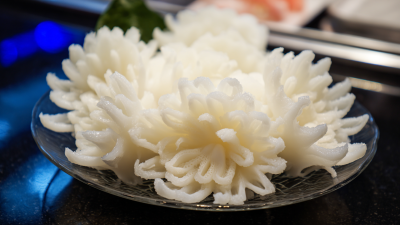
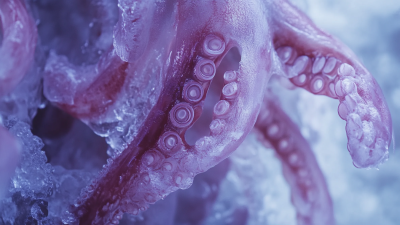
Frozen Squid Roe is a delicate seafood ingredient with a surprisingly complex journey from ocean harvest to kitchen. It consists of squid eggs, often packed in sacs, then rapidly frozen to protect texture, flavor, and freshness. The roe may appear pale orange, cream-colored, or slightly pink. Its surface can look glossy after thawing, while the inside remains soft and granular.
Dr. Jae S. Park, a respected seafood-processing researcher and surimi specialist, explains the guiding principle clearly: “Freezing is not a pause button; it is a quality-management decision.” That idea matters here. Rapid freezing can preserve the roe’s natural structure, but repeated thawing may create excess moisture and a weaker bite. Small details matter.
Frozen Squid Roe is used in sushi, Japanese-style appetizers, seafood spreads, pasta dishes, and grilled preparations. Some cooks season it with soy sauce, citrus, chili, or sesame oil. Others mix it into rice or place it over warm toast. Thaw it slowly in the refrigerator, not on a countertop. Patting it dry can also prevent watery sauces.
Yet frozen roe is not always identical to fresh roe. Texture varies by squid species, harvest timing, packaging, and storage conditions. That uncertainty deserves attention. Check the package for damage, excessive ice, or an unusual odor after thawing. When handled carefully, Frozen Squid Roe offers a practical way to enjoy a distinctive seafood ingredient beyond its original catch season.
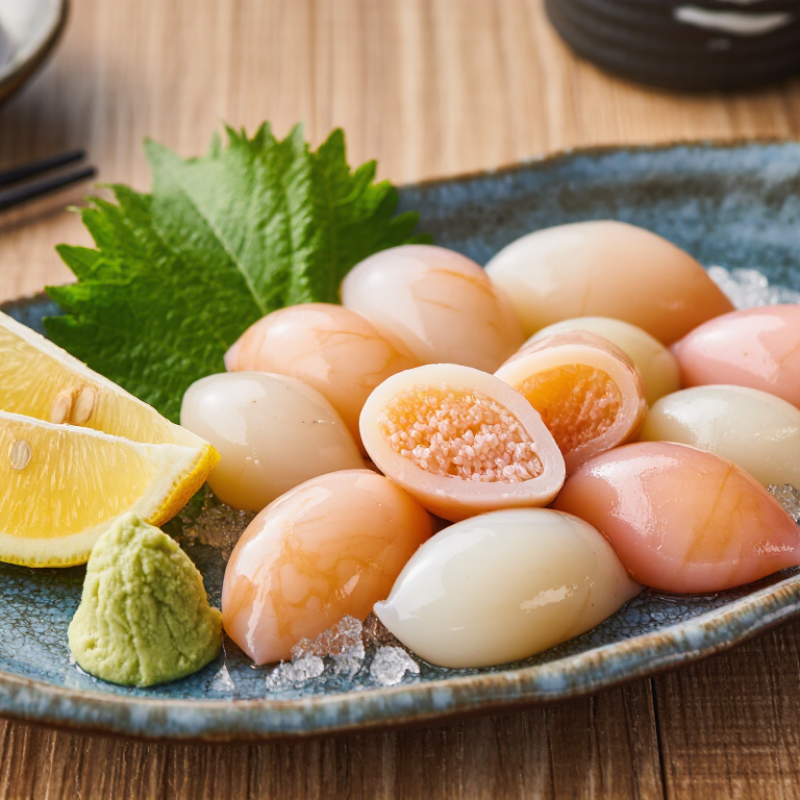
Frozen squid roe is the egg-bearing tissue found inside mature female squid. It is usually sold as intact roe sacs, sliced portions, or small clusters. The texture can feel firm, slightly springy, and grainy after thawing. Its color ranges from ivory to pale orange. A mild ocean scent is normal; a sharp ammonia smell is not.
According to the FAO’s 2024 State of World Fisheries and Aquaculture report, global aquatic animal production reached about 185 million tonnes in 2022. Squid belongs to this broad seafood economy, although public reports rarely separate squid roe from whole squid statistics. That limitation matters. Roe quality depends on species, maturity, handling, and freezing speed.
Properly frozen roe should remain solid, clean-looking, and free from heavy ice crystals. It is used in steamed dishes, seafood fillings, sushi-style preparations, sauces, and pan-fried slices.
Cooking should produce a tender, cohesive bite, not a watery mass.
Tips: Thaw roe overnight in a refrigerator, not on a warm counter. Pat it dry before cooking. Check the package for intact sealing and minimal frost. Color alone can mislead. I would also compare texture after thawing, because freezing damage is sometimes invisible at first. NOAA seafood handling guidance supports cold storage and careful thawing to reduce quality loss. Never refreeze fully thawed roe.

Frozen squid roe is the egg mass found inside mature female squid. It is usually collected during commercial squid processing, not from a separate fishery. Workers open the mantle, remove the roe sacs, and inspect them for damage. The texture can be delicate. Some sacs tear easily. Harvest timing, squid species, and handling conditions affect size and color. That variability is easy to overlook.
After removal, processors rinse the roe with clean, chilled water. They may trim membranes, separate individual sacs, or leave the roe whole. Quality checks look for sour odors, dark discoloration, excess liquid, and broken tissue. The product is then drained and rapidly frozen to limit microbial growth and ice damage. Facilities may use blast freezing or individual quick freezing, depending on the final format. Freezing does not repair poor handling. This point deserves more attention.
Frozen roe should remain continuously frozen during storage and transport. Temperature changes can create large ice crystals, weakening its firm, granular texture. Cooks thaw it slowly in a refrigerator, then use it in grilled dishes, fillings, sauces, rice toppings, or savory spreads. Some roe is lightly salted before freezing, while other products are sold plain. Labels should state ingredients, storage conditions, and preparation guidance. Unless prepared specifically for raw service, squid roe should be cooked thoroughly.
What Is Frozen Squid Roe and How Is It Used?
Frozen squid roe consists of unfertilized eggs found inside mature female squid. Processors may sell it as intact roe sacs, loose granules, or seasoned portions. Common varieties come from flying squid, Argentine shortfin squid, and Japanese flying squid. Their color ranges from pale cream to orange, depending on species, maturity, and processing.
Nutrition varies considerably.
USDA FoodData Central lists raw squid as a useful benchmark, providing about 92 calories and 15.6 grams of protein per 100 grams. It also contains vitamin B12, selenium, and omega-3 fats, although roe may not match ordinary squid tissue exactly. Some roe products contain substantial cholesterol, while salted versions can carry much more sodium. A nutrition label matters more than a species name alone.
The FAO’s State of World Fisheries and Aquaculture 2024 report recorded 185.4 million tonnes of global aquatic animal production in 2022. Squid supports this wider seafood supply, but detailed international nutrition data for roe remain limited. That gap deserves attention. Frozen storage generally preserves protein and minerals, but it cannot improve poor handling before freezing. Thaw roe slowly in a refrigerator, keep it cold, and cook it until firm and fully opaque. It works well grilled in its sac, folded into rice, or mixed with noodles and vegetables. Intact sacs give a softer, creamy bite; loose roe creates a finer, slightly crunchy texture. Some portions break easily. That is normal, not necessarily a defect.
| Data Dimension | Item or Variety | Typical Characteristics | Common Culinary Use | Handling and Safety Notes |
|---|---|---|---|---|
| Product Definition | Frozen squid roe | Uncooked squid egg masses, usually contained in elongated or oval roe sacs and frozen soon after processing. | Steaming, boiling, grilling, pan-frying, simmering in soups, or adding to rice and noodle dishes. | Freezing preserves the product but does not make it ready to eat. Cook thoroughly before serving. |
| Physical Form | Whole roe sacs | Intact pale cream, beige, or light orange sacs with a soft, compact texture. | Poached whole, sliced after cooking, or served as a seafood appetizer. | Handle gently after thawing because the sacs can rupture easily. |
| Physical Form | Separated roe or roe pieces | Egg masses removed from the sac or broken into smaller portions; texture is generally softer and more granular. | Mixed into omelets, seafood cakes, sauces, fried rice, and fillings. | Thaws faster than whole sacs and should be cooked promptly. |
| Species Type | Flying squid roe | Often associated with flying squid species; the roe is typically sold in compact sacs and has a mild marine flavor. | Boiled, grilled, stir-fried, or used in seasoned seafood preparations. | Exact flavor, size, and color depend on species, maturity, and processing. |
| Species Type | Japanese flying squid roe | Roe from Todarodes pacificus, a commercially important squid species in East Asian fisheries. | Commonly used in Japanese and Korean-style simmered, grilled, or seasoned dishes. | Species identification should be confirmed from the product label or supplier documentation. |
| Species Type | Argentine shortfin squid roe | Roe from Illex argentinus; portion size and texture can vary with squid maturity. | Suitable for boiling, sautéing, stuffing, and incorporation into mixed seafood dishes. | Color and firmness may change slightly after freezing and thawing. |
| Flavor Profile | Fresh or properly frozen roe | Mildly sweet, briny, and marine, with a denser texture than many squid muscles. | Pairs well with garlic, ginger, soy sauce, citrus, chili, herbs, and light seafood broths. | A strong ammonia-like odor indicates spoilage or poor storage and should not be ignored. |
| Nutrition | Energy | Approximately 90–110 kcal per 100 g when plain and uncooked. | Relatively low in calories before oil-based cooking or sauces are added. | Values vary according to species, maturity, moisture, and preparation method. |
| Nutrition | Protein | Approximately 15–18 g per 100 g. | Provides complete animal protein containing all essential amino acids. | Cooking does not remove protein, although moisture loss can raise the value per 100 g of cooked product. |
| Nutrition | Total fat | Approximately 1–4 g per 100 g for plain roe, with variation among species and roe maturity. | Works well in low-fat preparations such as steaming, poaching, and grilling. | Added oil, batter, and creamy sauces can substantially increase total fat and calories. |
| Nutrition | Carbohydrates | Usually low, approximately 0–4 g per 100 g before sauces or coatings are added. | Can be included in lower-carbohydrate seafood meals. | Seasoned, breaded, or marinated products may contain considerably more carbohydrates. |
| Nutrition | Cholesterol | Squid products are naturally cholesterol-rich; a typical squid reference value is about 200–250 mg per 100 g. | Can be enjoyed in moderate portions as part of a varied diet. | People managing blood cholesterol should follow individualized dietary advice from a qualified professional. |
| Nutrition | Minerals and vitamins | Provides nutrients such as selenium, vitamin B12, phosphorus, and copper; amounts vary by species and portion. | Supports a nutrient-dense seafood meal when paired with vegetables and whole grains. | Nutrition facts on the package are the most reliable source for a specific frozen product. |
| Thawing | Refrigerator thawing | Place the sealed roe in a tray and thaw slowly in a refrigerator maintained at 4°C or below. | Best method for preserving texture and limiting liquid loss. | Use soon after thawing and do not refreeze raw roe unless it has first been fully cooked. |
| Cooking | Boiling or steaming | Gentle moist heat helps cook whole sacs evenly and reduces the need for added oil. | Serve sliced with dipping sauce or add to soups and warm salads. | Cook until the center is firm, opaque, and steaming hot; a food thermometer can help verify doneness. |
| Cooking | Grilling or pan-frying | Produces browned exterior notes while keeping the interior tender when not overcooked. | Use with garlic, chili, lemon, herbs, or a light soy-based glaze. | Pat thawed roe dry to reduce splattering and avoid prolonged high heat, which can make it tough. |
| Storage | Unopened frozen product | Keep continuously frozen at −18°C or below, following the package instructions. | Suitable for longer-term storage when the package remains intact and properly frozen. | Discard product with extensive freezer burn, damaged packaging, or signs of repeated thawing. |
| Allergen Information | Squid and mollusk allergy | Squid is a mollusk and may trigger reactions in people allergic to mollusks or other seafood. | Use only when the diner’s allergy status is known and cross-contact is controlled. | Check the label for allergen declarations and prepare separately from other foods when necessary. |
| Quality Indicators | Good-quality frozen roe | Packaging is intact; roe has a clean marine smell after thawing and is free from excessive slime or discoloration. | Appropriate for cooking soon after controlled thawing. | Do not consume if it has a sour, rotten, or ammonia-like odor, sticky surface, or unusual discoloration. |
Frozen squid roe is the edible egg-filled sac found inside female squid. It is often cleaned, sealed, and frozen to protect its delicate texture. Safe preparation begins with a slow thaw, not a warm countertop. Place the unopened package in the refrigerator for eight to twelve hours. For quicker thawing, keep it sealed and submerge it in cold water. Change the water every thirty minutes. Do not use hot water.
Once pliable, open the package over a bowl and drain the liquid. Pat the roe gently with paper towels, then inspect the surface. It should smell mildly marine, not sharply sour or ammonia-like. Discard it if the package is swollen, leaking, or unusually slimy.
I sometimes rinsed roe briefly under cold running water, but this can weaken the membrane. Now I prefer a careful wipe. That small change preserves more flavor.
Keep the sacs whole for steaming, or slice them into thick rounds for pan cooking. Steam until the center is firm and fully opaque. A thermometer should read 63°C at the thickest point. For frying, dry the surface thoroughly and use medium heat to reduce splattering. Serve it with rice, noodles, or a light soy-and-ginger dressing. I once sliced it too thin. It turned rubbery quickly. Thicker pieces are easier to judge.
Frozen squid roe is the egg-bearing tissue found inside mature squid. It is usually sold in compact sacs, with a pale cream color and a firm, slightly grainy texture. Freezing helps preserve it between harvest and cooking, but it does not improve poor handling. Thaw it slowly in a refrigerator, then cook it thoroughly. In practice, the texture can disappoint if overheated. It turns rubbery quickly.
Across East Asia, cooks slice roe into hot-pot dishes, steam it with ginger, or fold it into savory pancakes. Mediterranean kitchens may grill whole roe sacs with olive oil, lemon, and herbs. In parts of South and Southeast Asia, roe appears in spiced curries, fried cakes, and rice dishes. Some coastal cooks mince it into stuffing for squid bodies. Others mix it with breadcrumbs and herbs before pan-frying. The flavor is mild, briny, and more delicate than many fish roes.
The FAO State of World Fisheries and Aquaculture 2024 reports 185 million tonnes of aquatic animals produced globally in 2022. It also states that 89% went directly to human consumption. FAO FishStat and GLOBEFISH market updates identify squid as an important traded cephalopod category, although roe-specific figures remain limited. That gap matters. Frozen squid roe is often grouped with whole squid products, making its true market size difficult to measure. Freshness, species, and freezing quality can change the final dish substantially.