What is Frozen Squid Tube and How to Use it in Your Cooking
Frozen Squid Tube is a versatile ingredient that can elevate a variety of dishes with its unique texture and mild flavor. As a staple in many cuisines, particularly in Mediterranean and Asian cooking, this seafood option offers not only nutritional benefits but also the convenience of being available year-round. The frozen form ensures that the squid tube is preserved at its peak freshness, making it an excellent choice for home cooks seeking to add a touch of the ocean to their meals without the hassle of dealing with live seafood.
Incorporating Frozen Squid Tube into your cooking opens up a world of culinary possibilities. Whether you are preparing stir-fries, seafood pastas, or grilled dishes, this ingredient can adapt to numerous recipes. Its ability to absorb flavors from marinades and sauces enhances the overall experience, making it a delightful addition to both simple and sophisticated meals. Understanding how to properly handle and cook Frozen Squid Tube will help you unlock its full potential, allowing you to impress family and friends with delectable seafood creations that are both easy to prepare and visually appealing.
What is Frozen Squid Tube?
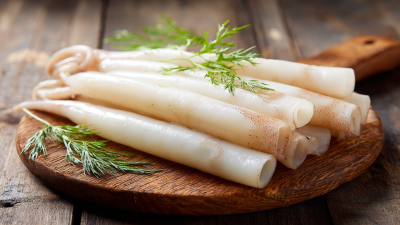
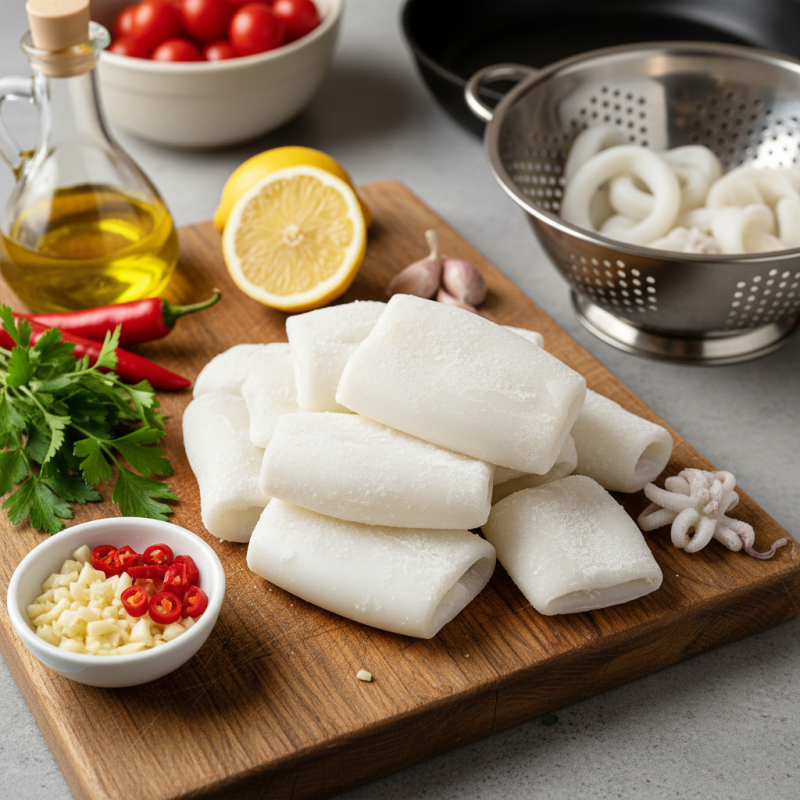
Frozen squid tube, a versatile ingredient, is a favorite in many cuisines around the world. The term "squid tube" refers to the cleaned and processed body of the squid, which is often portioned into convenient cylindrical shapes. This preparation not only makes it easier to cook but also ensures a quick thawing process, allowing for greater convenience in meal preparation. According to industry reports, the global frozen seafood market is expected to grow significantly, with the demand for squid products, including frozen squid tubes, driving a large portion of this trend.
The preparation and consumption of frozen squid tubes reflect the growing preference for seafood among health-conscious consumers. Rich in protein, low in calories, and containing essential nutrients such as omega-3 fatty acids, squid is increasingly recognized for its health benefits. Research indicates that the seafood market, including squid, will see an increase in demand due to rising awareness of the benefits of including seafood in regular diets.
Culinary experts suggest that frozen squid tubes can be utilized in various dishes, from stir-fries to stir-fried noodles, ensuring that chefs and home cooks alike can experiment with flavors and textures while enjoying the nutritional benefits of seafood.
Nutritional Benefits of Frozen Squid Tube
Frozen squid tube is a versatile seafood ingredient known for its tender texture and mild flavor, making it a popular choice in various cuisines. One of the nutritional benefits of frozen squid tube is its high protein content, which is essential for muscle growth and repair. Additionally, it is low in calories and fat, making it an excellent choice for those looking to maintain a healthy diet without sacrificing flavor.
In terms of vitamins and minerals, frozen squid tube is rich in vitamin B12, which plays a crucial role in brain health and the formation of red blood cells. It also contains significant amounts of selenium and phosphorus, important minerals for maintaining healthy bodily functions. Including frozen squid tube in your meals can help you meet your nutritional needs while enjoying a delicious dish.
Tips for cooking with frozen squid tube include making sure to thaw it properly before preparation. A quick method is to run the squid tube under cold water for a few minutes. This ensures even cooking and prevents the texture from becoming tough. Also, consider marinating the squid tube for at least 30 minutes before cooking to enhance its flavor. Whether you grill, sauté, or add it to soups, frozen squid tube can elevate your dishes while providing essential nutrients.
What is Frozen Squid Tube and How to Use it in Your Cooking - Nutritional Benefits of Frozen Squid Tube
| Nutritional Component |
Amount per 100g |
Benefits |
| Calories |
92 kcal |
Low calorie option for meal planning |
| Protein |
16.7 g |
Excellent source of lean protein |
| Fat |
1.4 g |
Low in unhealthy fats |
| Carbohydrates |
0 g |
Can be included in low-carb diets |
| Vitamin B12 |
0.3 µg |
Supports nerve health and energy metabolism |
| Selenium |
44 µg |
Antioxidant properties, supports immune function |
Simple Steps to Prepare Frozen Squid Tube for Cooking
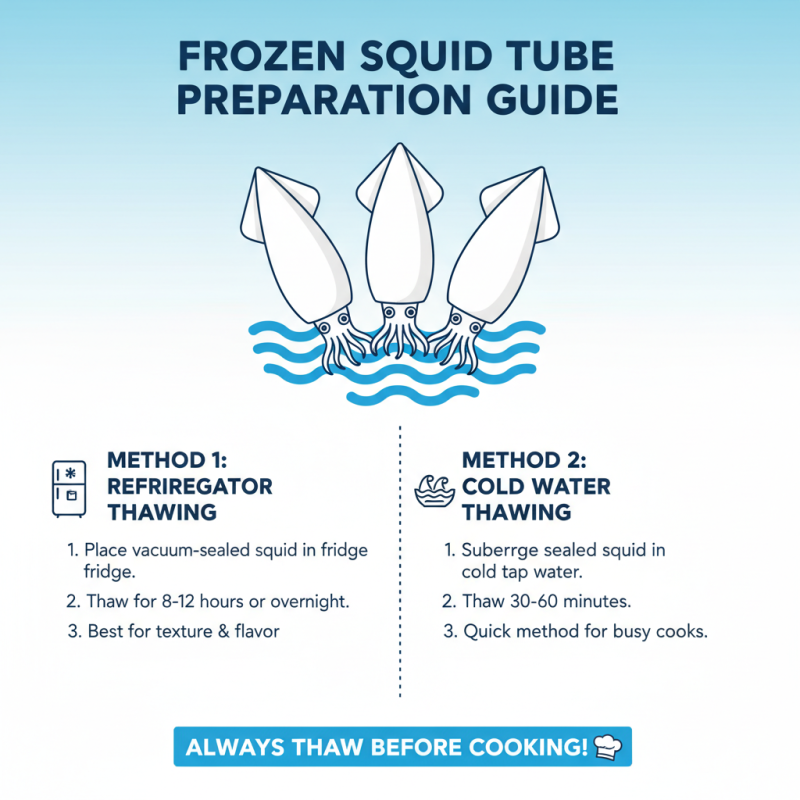
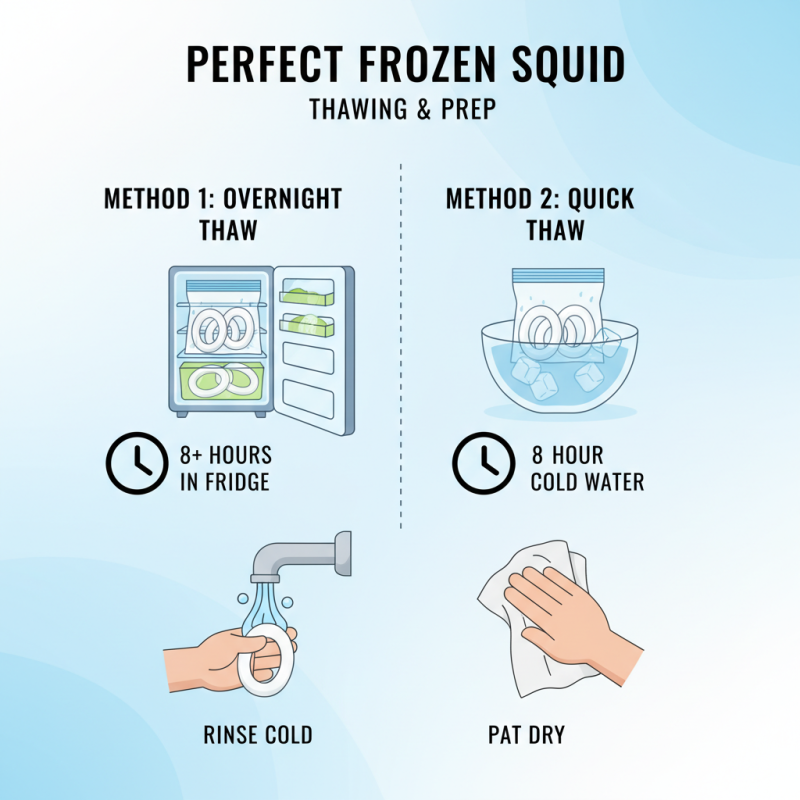
When it comes to cooking seafood, frozen squid tubes are a versatile and delicious option that can enhance many dishes. They are typically cleaned and prepared, making them an efficient choice for home cooks. To properly prepare frozen squid tubes for cooking, start by thawing them in the refrigerator for several hours or overnight. This gradual thawing helps maintain their texture and flavor. If you're short on time, you can also place the vacuum-sealed squid in cold water for about 30 minutes.
Once thawed, rinse the squid tubes under cold running water to remove any residual brine. It's essential to pat them dry with paper towels to ensure they don’t release too much moisture during cooking. According to the National Oceanic and Atmospheric Administration (NOAA), squid is an excellent source of lean protein and essential nutrients, making it a healthy addition to your diet. For best results, slice the tubes into rings or strips, which allows for even cooking and better absorption of flavors when marinated or seasoned.
**Tip:** For a quick and delicious dish, marinate the squid in olive oil, garlic, and herbs for 30 minutes before grilling or sautéing. This not only enhances flavor but also helps tenderize the meat. Additionally, cooking squid at high heat for a short duration prevents it from becoming rubbery. Try adding thawed squid tubes to stir-fries or pasta dishes for a delightful twist on classic recipes.
Delicious Recipes Using Frozen Squid Tube
Frozen squid tube is a versatile ingredient that can elevate various dishes with its unique texture and flavor. A popular choice in many seafood cuisines, it is prized for its ability to absorb marinades and spices, making it suitable for a range of recipes. According to the National Fisheries Institute, squid consumption in the United States has increased by over 20% in the past decade, highlighting the growing appreciation for this delicacy.
One of the simplest and most delightful ways to use frozen squid tubes is by preparing stuffed squid. By mixing cooked rice with vegetables, herbs, and spices, you can create a flavorful filling that complements the delicacy of the squid. Baking or grilling the stuffed squid tubes not only enhances their taste but also makes for an appealing presentation.
Additionally, squid can be sliced into rings and lightly battered for frying, resulting in a crunchy appetizer perfect for sharing. The World Seafood Congress reported that fried squid dishes, such as calamari, rank among the top seafood appetizers globally, emphasizing their popularity.
Beyond these recipes, frozen squid tubes can also be incorporated into soups and stews, adding depth and richness to the broth. When boiled or simmered, squid becomes tender and contributes a subtle sweetness, balancing spicier elements in a dish. Utilizing frozen squid tubes allows for greater accessibility to seafood dishes, encouraging home cooks to experiment and enjoy this nutritious protein source, which is low in calories yet high in essential nutrients, including protein and omega-3 fatty acids.
Tips for Cooking Frozen Squid Tube to Perfection
Cooking frozen squid tube can be a delightful and straightforward process if done correctly. First and foremost, it’s crucial to thaw the squid properly. Instead of leaving it at room temperature, which can compromise safety and quality, opt for a gradual thaw in the refrigerator overnight. If you're pressed for time, placing the squid in a sealed bag and submerging it in cold water for about an hour works well too. Once thawed, rinse the squid tubes under cold water to remove any residual impurities and pat them dry with a paper towel.
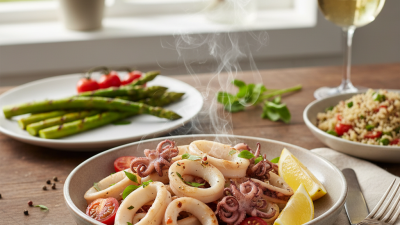
When it comes to cooking, there are various methods to achieve perfectly tender squid. One popular approach is sautéing. Slice the thawed tubes into rings and heat a bit of oil in a non-stick pan over medium heat. Add the squid and cook for just 2-3 minutes, as overcooking can result in a rubbery texture. It's also beneficial to season with salt, pepper, and fresh herbs to enhance the natural flavors. For those who prefer grilling, marinating the squid briefly before placing it on a hot grill yields a delicious smoky taste while preserving its tenderness. Remember that squid cooks quickly, so keep an eye on it to avoid tough results.