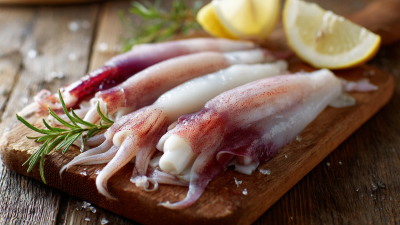
Inquiry
Form loading...
Sourcing Fresh Frozen Squid wholesale in 2026 requires more than comparing prices on a supplier spreadsheet. Product quality can change quickly when freezing, storage, and transport are poorly controlled. A reliable buyer examines species, catch area, processing date, glazing percentage, size count, and packaging condition. These details affect yield, appearance, and the final cost per usable kilogram.
In practical seafood sourcing, small checks often prevent expensive mistakes. Ask for recent product photographs, complete specifications, temperature records, and traceability documents. A strong supplier should explain where the squid was processed and how it remained frozen during transit. Packaging should show clear labeling, intact seals, and no heavy ice buildup. Excessive frost may signal temperature fluctuation, although it does not always prove poor quality.
Supplier audits and sample orders remain valuable in 2026. A sample can reveal texture after thawing, cooking loss, odor, and actual glaze levels. Laboratory testing may also support checks for contaminants and microbiological safety, according to applicable requirements. Do not rely on attractive quotations alone. The cheapest offer can become costly after freight, rejected cartons, delays, or inconsistent sizing.
Some sourcing decisions remain imperfect. Forecasts may shift, and harvest conditions can affect availability. Even experienced buyers can overlook a specification hidden in fine print. That is why written agreements should define tolerances, inspection procedures, delivery temperatures, and corrective actions. Careful communication builds trust, but independent verification builds confidence. The goal is not merely to buy frozen squid cheaply. It is to secure consistent, safe, and commercially useful supply.
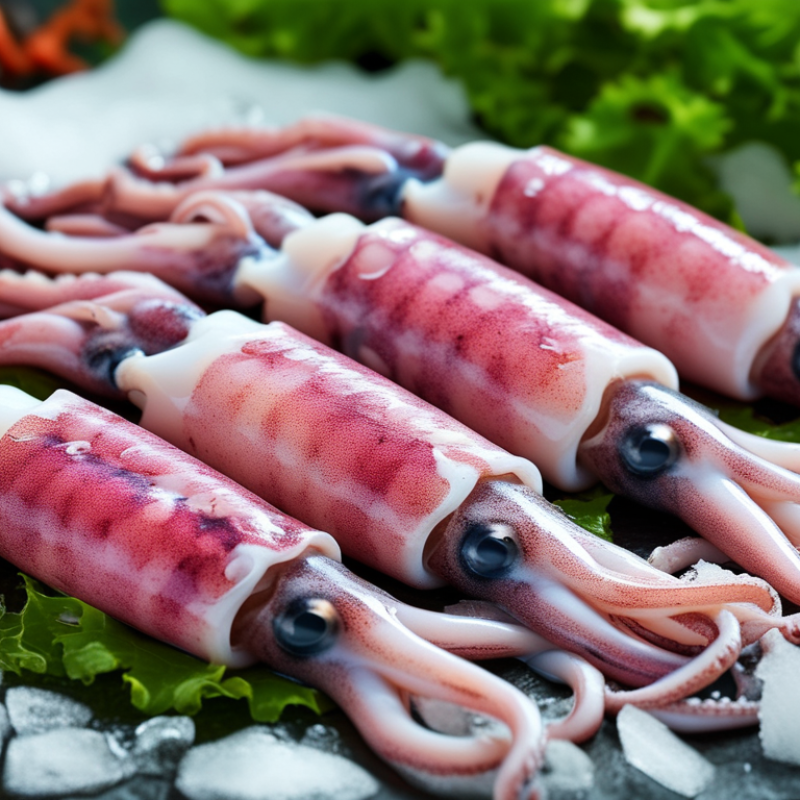
Fresh frozen squid covers a broad wholesale market in 2026. Demand comes from restaurants, seafood processors, retailers, and meal manufacturers. Buyers increasingly seek stable supply, clear traceability, and flexible pack sizes. “Fresh frozen” usually means squid frozen soon after landing, not never frozen. That distinction matters.
The main forms include whole round squid, cleaned tubes, rings, tentacles, and sliced portions. Whole squid suits processors needing custom cutting. Tubes reduce kitchen labor and create uniform servings. Rings work well for frying and prepared meals. Tentacles add texture to salads, noodles, and mixed seafood packs. Common commercial species include Illex, Loligo, and Todarodes, although availability changes by fishing season and origin.
A reliable wholesale check starts with the carton. Look for the species, catch area, production date, glazing percentage, and storage temperature. Product should remain hard at approximately -18°C, with limited loose ice crystals. Excessive frost may indicate temperature abuse or repeated handling. The smell should be clean and marine, never sharply sour or chemical. I still treat appearance carefully; bright white flesh does not always prove superior quality. Sampling several cartons gives a more honest view of size, texture, and drip loss. Suppliers should provide traceability records and independent food-safety documentation.
| Market Dimension | Main Wholesale Categories | Typical Specification or Range | Sourcing and Quality Notes for 2026 |
|---|---|---|---|
| 1. Main Commercial Squid Species | |||
| Argentine shortfin squid | Illex argentinus | Whole round, cleaned tubes, rings, tentacles, and fillets | A major South Atlantic commercial squid; confirm fishing area, season, size count, glazing, and catch documentation before contracting. |
| Giant squid | Dosidicus gigas | Whole cleaned squid, tubes, rings, strips, and diced products | Commonly associated with the Southeast Pacific; texture, size, phosphate treatment, and water-retention declarations should be checked carefully. |
| Japanese flying squid | Todarodes pacificus | Whole round, cleaned body, rings, and sliced squid | A North Pacific species used in foodservice and processed seafood; verify harvest area, season, freezing method, and color condition. |
| European squid | Loligo vulgaris | Whole cleaned squid, tubes, rings, and tentacles | Sourced from the Northeast Atlantic and Mediterranean supply chains; confirm fishing-zone rules, landing documentation, and product size. |
| Longfin inshore squid | Doryteuthis pealeii (formerly Loligo pealeii) | Whole cleaned squid, tubes, rings, and foodservice portions | A Northwest Atlantic commercial species; availability and permitted sourcing areas should be checked against the current fishery season. |
| Indian squid | Uroteuthis duvaucelii | Whole round, cleaned tubes, rings, tentacles, and breaded portions | Common in Indian Ocean and South Asian supply chains; inspect raw material origin, processing water, glazing, and residue compliance. |
| 2. Main Fresh Frozen Squid Product Forms | |||
| Whole round squid | Head, viscera, cartilage, and skin generally retained | Usually sold by size count per kilogram or per pound | Often selected for further processing; request a sample to assess odor, skin damage, thaw drip, and broken bodies. |
| Cleaned tubes | Body cleaned and cartilage removed; skin may be retained or removed | Sold by tube length, diameter, weight range, or pieces per case | Suitable for restaurants and processors; define cleaning level, skin condition, trimming tolerance, and count uniformity. |
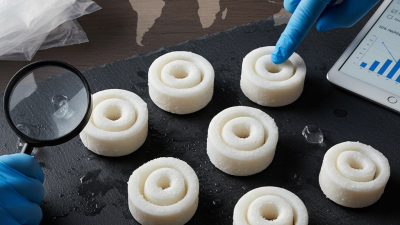
| Squid rings | Cross-cut rings made from cleaned tubes | Common cut widths include approximately 0.5–2 cm, subject to contract | Confirm ring diameter, cut width, broken-ring percentage, glazing, and whether rings are raw, blanched, or breaded. |
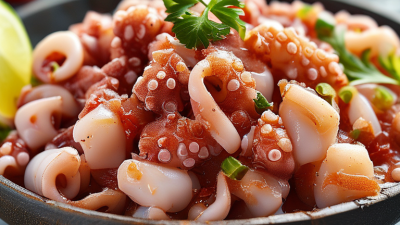
| Tentacles and legs | Single tentacles, clusters, or cleaned tentacle portions | Packed by weight with agreed size and trimming specifications | Check beak removal, eyes, skin, hard particles, cluster size, and the proportion of damaged or detached pieces. |
| Fillets, strips, and diced squid | Prepared portions for foodservice or further processing | Cut dimensions and net weight must be specified in the purchase order | Useful for ready-to-cook applications; confirm species declaration, additives, treatment, and cooking-yield expectations. |
| 3. Wholesale Specification and Cold-Chain Dimensions | |||
| Freezing method | Block frozen, individually quick frozen, or plate frozen | IQF supports portion control; block freezing generally improves case compactness | Request the freezing method, production date, lot code, and evidence that the cold chain remained intact. |
| Storage temperature | Frozen seafood storage and transport | Maintain at −18°C or colder, unless the applicable market regulation specifies a stricter requirement | Use temperature records and inspect for thaw-refreeze signs such as excessive ice, dehydration, clumping, or package distortion. |
| Glazing | Protective ice coating on frozen squid | Common commercial specifications range from about 5% to 20%; the exact level must be stated contractually | Compare declared net weight after deglazing, not gross frozen weight, and verify local labeling requirements. |
| Shelf life | Frozen product under continuous temperature control | Many commercial products specify approximately 18–24 months, subject to product, packaging, and local rules | Use the producer’s validated shelf life; prioritize recent production lots for premium texture and appearance. |
| Packaging formats | Bulk master cartons, retail-ready bags, vacuum packs, or foodservice packs | Case weight and inner-pack configuration are negotiated with the buyer | Confirm carton strength, inner-bag seal, lot traceability, net weight, glazing declaration, and pallet configuration. |
| Food-safety documentation | Species and catch-area records, health documents, HACCP controls, and laboratory results where required | Documentation depends on origin, destination, product form, and import regulations | Before payment, verify traceability, allergen information, processing approvals, residue controls, and import eligibility. |
| 4. Regional Market Scope for Wholesale Sourcing | |||
| South Atlantic | Shortfin squid and related processed forms | Whole round, tubes, rings, and tentacles | Seasonality and stock availability can affect specifications and lead times; request current catch-area and production information. |
| Southeast Pacific | Giant squid and value-added preparations | Tubes, rings, strips, diced squid, and cleaned whole squid | Texture and processing treatment vary by lot; product trials are important before large-volume purchase. |
| North Pacific | Flying squid and other Pacific squid products | Whole, cleaned, sliced, and ring products | Confirm harvest season, stock size, freezing date, and destination-market documentation. |
| Indian Ocean and South Asia | Indian squid and mixed commercial squid products | Whole, tubes, rings, tentacles, and breaded or seasoned portions | Compare species identity, processing controls, additives, glazing, and export documentation across lots. |
| Northeast Atlantic and Mediterranean | European squid and other regional loliginid products | Fresh frozen whole squid, cleaned tubes, rings, and tentacles | Check catch zone, quota or seasonal restrictions where applicable, species labeling, and landing traceability. |
| 5. Buyer Checklist for 2026 Wholesale Orders | |||
| Commercial quotation | Price basis, currency, Incoterm, minimum order quantity, and payment terms | Quote should distinguish gross weight, net weight, and deglazed weight | Compare offers only after aligning species, size, form, glazing, packaging, delivery port, and inspection terms. |
| Sample approval | Appearance, odor, texture, thaw loss, cooking yield, and portion uniformity | Sample should represent the intended production lot | Approve a written product specification before confirming a full container or recurring wholesale program. |
| Traceability and compliance | Species name, catch area, production date, lot number, processing site, and certificates | Requirements differ by importing country and intended use | Validate documents with the destination-country authority or qualified customs and food-safety adviser. |
| Logistics and receiving | Frozen container temperature, transit time, port handling, and delivery inspection | Target −18°C or colder throughout transport and storage | Use temperature loggers where practical and define claim procedures for thawing, shortages, damaged cartons, or out-of-specification goods. |