Why Are Frozen Fishballs So Popular in Asian Cuisine?
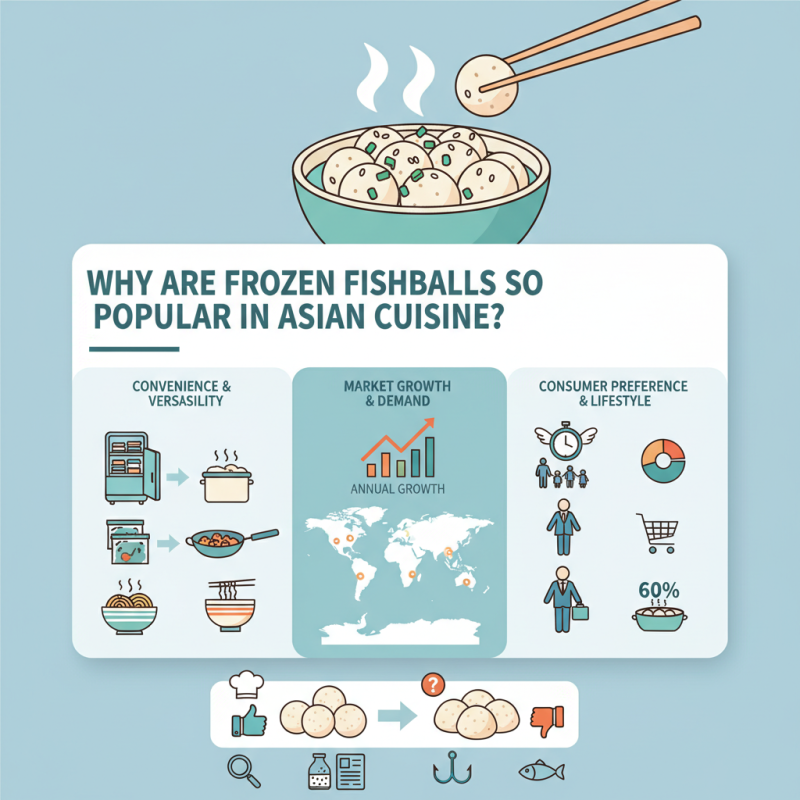
Frozen fishballs have become a staple in Asian cuisine, cherished for their convenience and versatility. According to recent market reports, the global frozen fishball market is expected to grow at a rate of 7% annually, driven by increasing demand across various regions. These small, round delicacies are not only easy to prepare but also rich in flavor, making them a go-to ingredient for many families.
In many Asian households, frozen fishballs are a common freezer item. They can be quickly added to soups, stews, or stir-fries. A survey indicates that over 60% of Asian consumers prefer frozen fishballs for their quick cooking time. They offer a fusion of tradition and modern lifestyle, appealing to busy professionals and families alike.
However, not all frozen fishballs are created equal. Some brands prioritize flavor and texture, while others may compromise on quality. This inconsistency can lead to mixed experiences for consumers. As the market expands, it becomes essential to reflect on the ingredients and sourcing practices that define these beloved fishballs.
The Rise of Frozen Fishballs in Asian Culinary Traditions
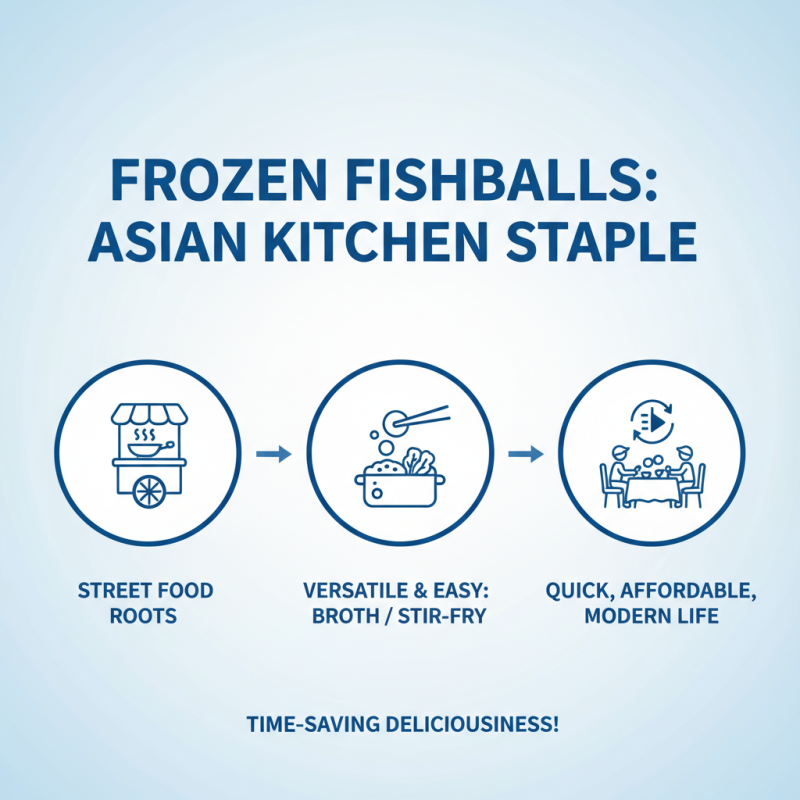
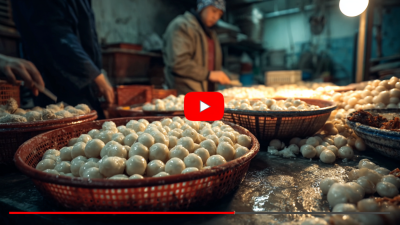
Frozen fishballs have found their way into the heart of many Asian kitchens. Their journey began in street stalls and home kitchens alike. They are versatile, affordable, and easy to prepare. Just drop them into simmering broth or stir-fry with vegetables for a quick meal. This convenience resonates in our fast-paced lives, where time is precious.
Despite their popularity, the quality of frozen fishballs can vary greatly. Some are made with fresh fish, boasting delightful flavors. Others, however, may contain fillers or lower-quality fish. It's essential to choose wisely when shopping. This inconsistency challenges chefs and home cooks alike to find the best options. Frozen fishballs may offer convenience, but not all meet high culinary standards.
Culinary traditions also play a role in their rise. In many Asian cultures, fishballs symbolize comfort and simplicity. They evoke memories of shared meals and family gatherings. Yet, it's crucial to reflect on the sourcing and production processes. The fish used, for instance, can impact sustainability and flavors. As we embrace frozen fishballs, we should also consider their journey.
Key Factors Driving the Popularity of Frozen Fishballs
Frozen fishballs have gained immense popularity in Asian cuisine due to several key factors. One significant aspect is convenience. Busy urban lifestyles make frozen products appealing. A report by ResearchAndMarkets indicated that the global frozen seafood market is projected to grow at a compound annual growth rate (CAGR) of 5.3% from 2021 to 2026. This growth is driven largely by demand for ready-to-cook options like frozen fishballs.
Additionally, taste plays a crucial role in their popularity. Many consumers appreciate the savory flavor and chewy texture. Fishballs can elevate a variety of dishes, from soups to stir-fries. According to the Asian Development Bank, seafood consumption in Asia is expected to increase by 30% in the next decade. This surge further emphasizes the ongoing love for products like fishballs.
However, there are challenges that manufacturers face. Quality control remains vital, as inconsistent taste can deter customers. Some are concerned about preservatives and additives used in frozen products. It's essential that brands address these issues while meeting consumer expectations. Overall, the fascination with frozen fishballs reflects broader trends in convenience and taste in the modern kitchen.
Why Are Frozen Fishballs So Popular in Asian Cuisine?
| Factors |
Description |
Example Cuisines |
| Convenience |
Easy to prepare; just heat and serve. |
Japanese, Chinese |
| Versatility |
Can be used in soups, stews, and as snacks. |
Thai, Vietnamese |
| Taste |
Delicious flavor with a unique texture. |
Korean, Malay |
| Affordability |
Generally cheaper than fresh alternatives. |
Filipino, Indonesian |
| Availability |
Widely available in stores and online. |
Pan-Asian |
Nutritional Analysis: Protein Content and Health Benefits of Fishballs
Frozen fishballs have gained immense popularity in Asian cuisine, primarily due to their convenience and taste. Nutritionally, fishballs are rich in protein. A typical serving can offer around 10-15 grams of protein. This makes them an appealing choice for those looking to boost their protein intake without high-fat content. Reports indicate that fishballs contain essential amino acids, which are crucial for muscle repair and overall health.
Additionally, the health benefits of fishballs extend beyond protein. They are typically low in carbohydrates and can be a good source of omega-3 fatty acids, which are known for their heart health benefits. However, not all fishballs are created equal. Some may contain fillers or preservatives, which can affect their nutritional value. It’s essential to read labels and choose options that prioritize natural ingredients.
Tips: When selecting frozen fishballs, look for those with a short ingredient list. Freshness counts! Cooking them to an internal temperature of 145°F ensures they're safe and delicious. Experiment with cooking methods—steaming can retain more nutrients compared to frying.
Protein Content of Popular Asian Fishballs
Market Trends: Frozen Fishball Sales Growth in Asia (2023 Data)
Frozen fishballs are becoming increasingly popular in Asian cuisine. The 2023 data shows a remarkable surge in sales across various regions. Consumers are drawn to their convenience and versatility. Frozen fishballs are easy to prepare and can be used in soups, stir-fries, or as snacks.
Market trends indicate that younger generations are leading this growth. They appreciate quick meal options that fit their busy lifestyles. Additionally, health-conscious individuals favor fishballs as a protein-rich alternative. They offer a sense of nostalgia for older consumers. Many have fond memories of family gatherings centered around these dishes.
As companies expand their offerings, challenges arise. Not all fishballs meet quality standards. Some may have artificial additives or lack authentic flavors. Consumers are becoming more discerning. They seek products that are tasty, healthy, and made from high-quality ingredients. Overall, the popularity of frozen fishballs reflects changing preferences in Asian cuisine.
Cultural Significance of Fishballs in Various Asian Countries
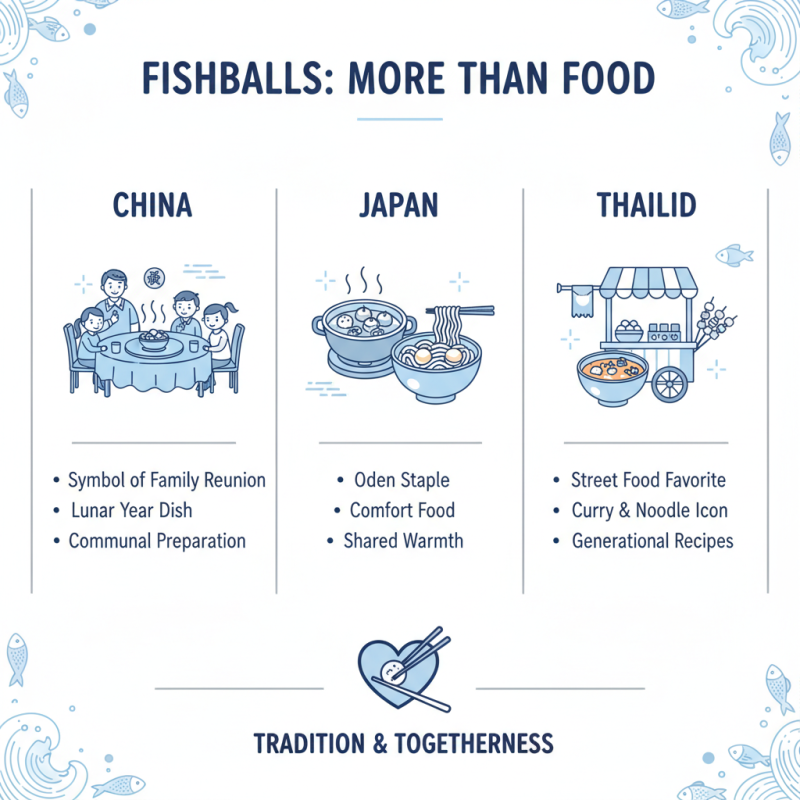
Fishballs hold a special place in many Asian cuisines. In countries like China, Japan, and Thailand, they are not just food; they symbolize tradition and family. Making fishballs from scratch can be a communal activity. Families gather to create these delicate treats, sharing stories and laughter. It’s about togetherness, not just the meal.
In Taiwan, fishballs are often enjoyed in a spicy broth. Street vendors sell them, enticing passersby with their aroma. The thrill of tasting freshly made fishballs brings nostalgia. Similarly, in Malaysia, fishballs appear in various dishes, from noodle soups to snacks on the go. Each region adds its unique twist, reflecting local culture and ingredients.
Despite their popularity, creating perfect fishballs can be challenging. Sometimes, they fall apart or lack flavor. Many home cooks lament their attempts. Yet, the learning process brings joy. Each effort leads to improvement. Sharing these experiences connects people, highlighting the cultural significance of fishballs. They remind everyone that imperfections can lead to delicious discoveries.