How to Prepare the Best Seafood Food at Home for Delicious Meals?
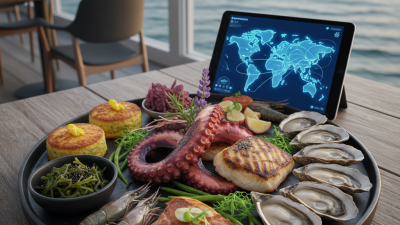
Seafood food has always been a favorite for many. Preparing it at home can be an enriching experience. Imagine the tantalizing aroma of fresh fish sizzling in a pan. The goal is to recreate that perfect dish you've enjoyed at a restaurant.
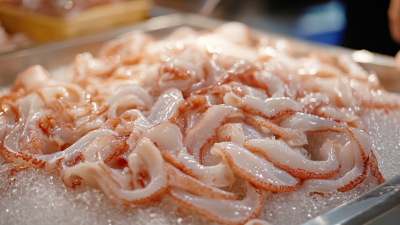
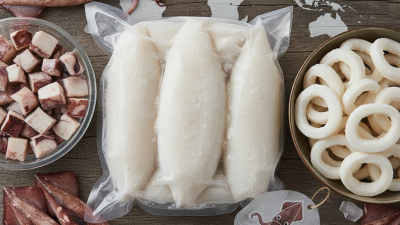
Choosing the right seafood is crucial. Freshness matters greatly. Always opt for seafood that has a clean smell, bright colors, and firm texture. Knowing your source is key. Local fish markets often provide the best choices. Dive deeper into the world of crustaceans and shellfish too. These can elevate your meal game significantly.
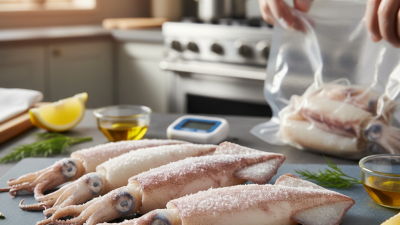
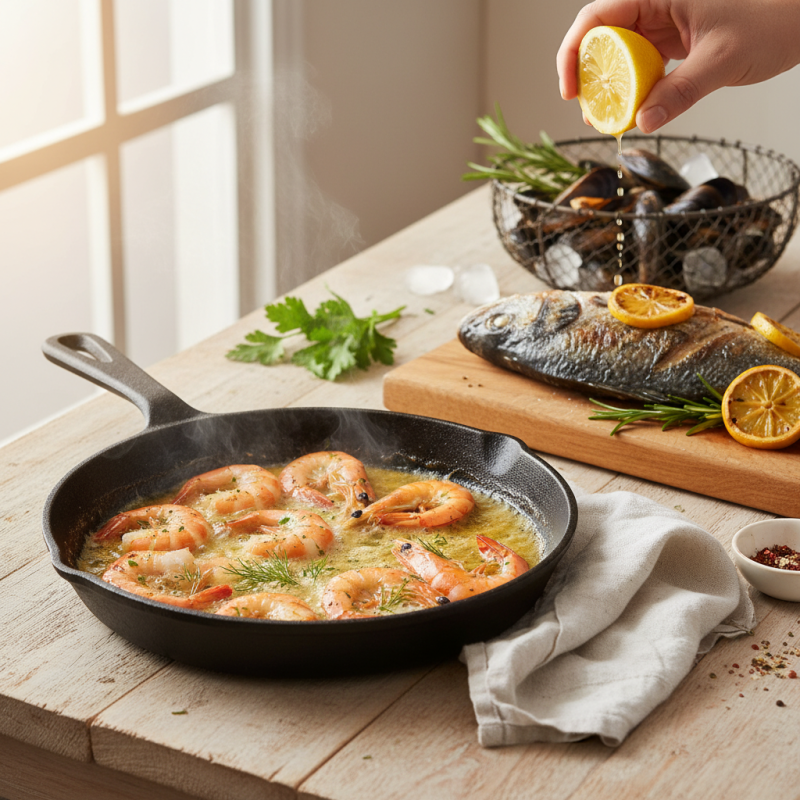
Cooking methods are diverse. From grilling to steaming, each brings out unique flavors. A simple lemon butter sauce can transform plain shrimp into a gourmet delight. However, mistakes will happen. Overcooked fish can be dry. Embrace the learning curve. Experimentation will lead to perfect seafood food over time. Enjoy the journey of flavors and techniques as you refine your culinary skills.
Choosing Fresh Seafood: Tips for Selecting Quality Fish and Shellfish
When selecting fresh seafood, quality is paramount. According to the National Oceanic and Atmospheric Administration (NOAA), seafood freshness impacts flavor and safety. Choose seafood that has a mild scent, not a strong fishy smell. Fresh fish should have clear, bright eyes and firm flesh. Shellfish like shrimp should have a firm texture.
Tips for Selecting Quality Fish:
- Look for bright scales. dull scales may indicate staleness.
- Gently press the flesh. If it springs back, it’s fresh.
Understanding the local seafood season can also enhance your selection. Research shows that fish caught in their peak season have better taste and nutritional value. For instance, wild salmon is at its best from May to September. Always ask your fishmonger about the source. Knowledgeable vendors can provide insights into sustainability, which can influence quality.
More Tips for Shellfish:
- Check for tightly closed shells. Open shells may mean they are dead.
- Evaluate the color; vibrant hues suggest freshness.
Considering these factors can improve your home cooking significantly. Remember, sourcing quality seafood is both an art and a science. Always reflect on your choices to ensure they align with your taste and values.
Essential Tools and Equipment for Cooking Seafood at Home
When cooking seafood at home, having the right tools is key. A sharp chef's knife is essential for filleting fish. It helps with precision cuts, which can enhance presentation. A good cutting board made of bamboo or plastic prevents slips and absorbs odors. It’s also easier on your knife’s edge.
Another important tool is a heavy-bottomed pot or pan. This ensures even heat distribution while cooking seafood. A cast-iron skillet can create a perfect sear on scallops or shrimp. Use a pair of tongs for turning and plating, as they give you control without damaging the delicate texture of seafood.
Consider investing in a high-quality seafood thermometer. It helps you achieve the perfect doneness. Undercooking can lead to food safety concerns, and overcooking can ruin the meal. A steamer basket is also handy for healthier options, allowing flavors to shine. Remember, practice makes perfect; don’t be discouraged by early mistakes. Cooking is a learning journey.
Key Cooking Techniques for Perfectly Prepared Seafood Meals
When it comes to seafood, cooking techniques can make a huge difference. Steaming, grilling, and pan-searing are popular methods. Each offers unique flavors. Steaming retains moisture and enhances the natural taste of fish. Grill to achieve a smoky flavor. This can be tricky. Too much heat can dry out seafood quickly.
Pan-searing is another effective technique. Start with a hot skillet. Use moderate oil. This method gives seafood a crispy exterior. It is crucial to avoid overcooking. Use a timer, if necessary. A good fish fillet should flake easily yet remain moist. Always trust your senses. Look, smell, and taste for the right texture.
Don’t forget about seasoning. Simple salt, pepper, and lemon can elevate your dish. Fresh herbs can bring brightness. Experiment but keep it balanced. Overdoing spices can mask the delicate flavor of seafood. Practice is important. Mistakes will happen. Reflection will lead to better meals in time.
Delicious Seafood Recipes: From Simple to Gourmet
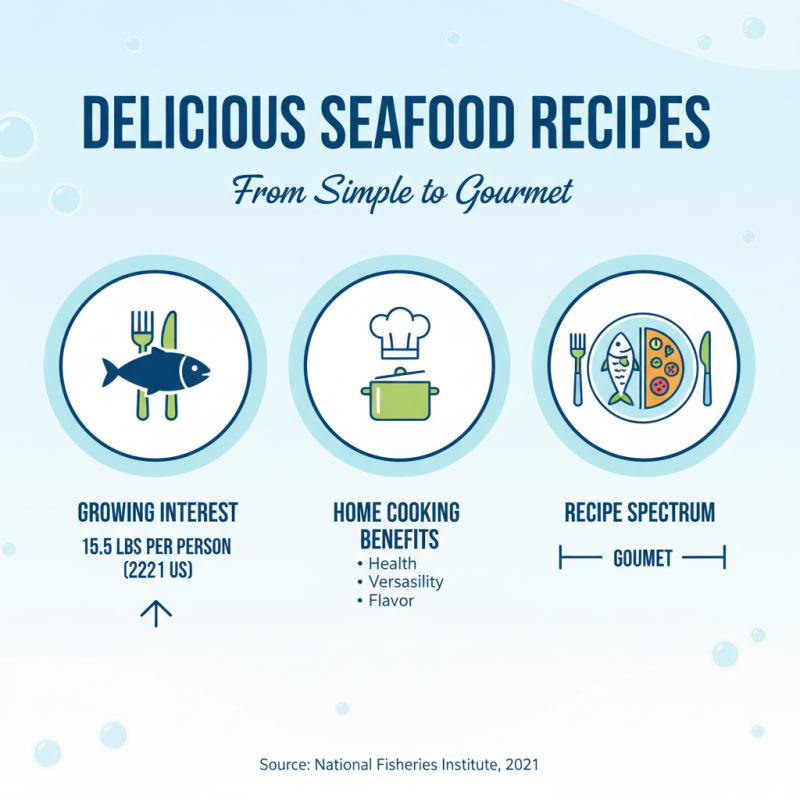
When it comes to cooking seafood, there’s a wide range of delicious recipes available. A study by the National Fisheries Institute found that Americans consumed about 15.5 pounds of seafood per person in 2021. This indicates a growing interest in seafood, as more households embrace the benefits of cooking with it. Cooking seafood at home can be simple or gourmet, depending on your preferences.
For a quick yet delightful meal, consider preparing sautéed shrimp. This dish requires minimal ingredients but delivers big flavor. You can toss fresh shrimp in olive oil, garlic, and herbs. This is a great way to preserve the seafood's natural taste. For a more sophisticated dish, try a baked salmon with a honey-orange glaze. This combination not only enhances the flavor but also provides essential nutrients like omega-3 fatty acids.
The seafood industry constantly evolves, with trends shifting towards sustainability. A report by the Marine Stewardship Council highlights that consumers increasingly favor responsibly sourced seafood. However, many home cooks may still be uncertain about sourcing. It’s essential to check labels and choose wisely. This ensures a healthy meal while supporting ocean preservation. It’s a simple step that can lead to gratifying dishes while being mindful of environmental impact.
Flavors and Pairings: Enhancing Seafood Dishes with Herbs and Spices
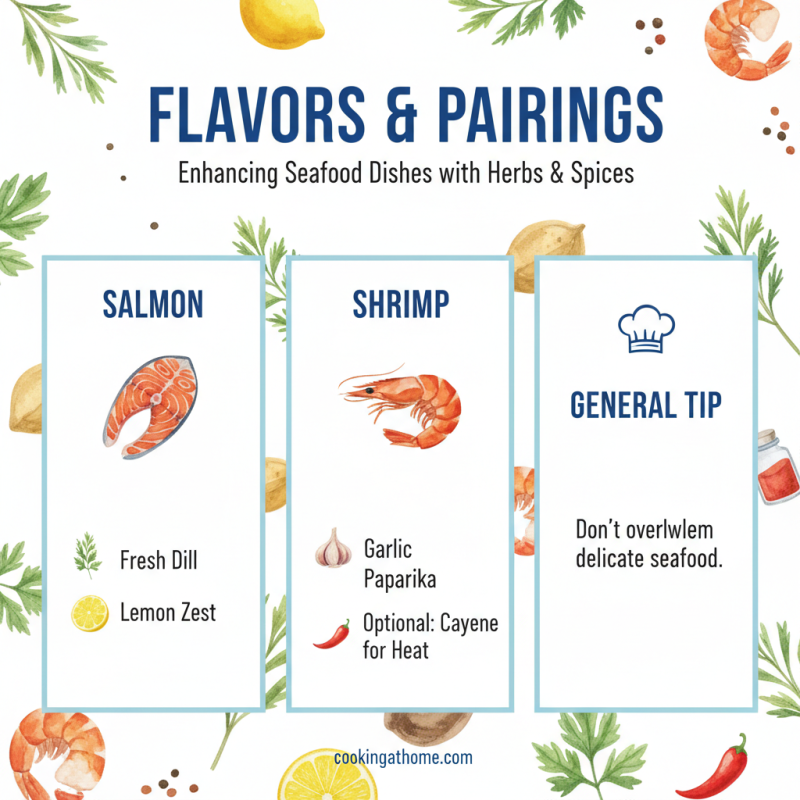
Cooking seafood at home can be a delightful experience. To truly elevate your dishes, the right herbs and spices make all the difference. For example, fresh dill pairs beautifully with salmon, bringing a bright flavor. Adding lemon zest can enhance the dish, creating a refreshing touch. When working with shrimp, garlic and paprika can give it a bold kick. A dash of cayenne can intensify the spice profile but be careful not to overwhelm the delicate seafood.
Experimenting is key. However, it's essential to reflect on the balance of flavors. Too much seasoning can mask the seafood's natural taste. A pinch of sea salt may be all that's needed to highlight its freshness. Fresh herbs like parsley or cilantro can add color and aroma. When selecting spices, consider the cuisine. Asian dishes often benefit from ginger and sesame oil, while Mediterranean cooking shines with oregano and thyme. Each combination tells a story and can create a memorable dish at home.