How to Purchase High Quality Frozen Squid Fillet Globally?
In recent years, the global demand for Frozen Squid Fillet has surged significantly. According to a report from the Food and Agriculture Organization (FAO), global seafood consumption reached nearly 20 kg per capita in 2022, with squid being a popular choice among consumers. The market for squid, including Frozen Squid Fillet, is projected to grow at a CAGR of 3.5% through 2030, indicating a robust interest in this seafood product.
High-quality Frozen Squid Fillet not only offers flavor but also essential nutrients. This fish is rich in protein, omega-3 fatty acids, and vitamins, making it a popular option for health-conscious consumers. The increasing trend toward frozen seafood is driven by convenience and longer shelf life, reinforcing the importance of sourcing quality products. However, the process can be complicated. Finding reliable suppliers requires knowledge and diligence.
While numerous suppliers exist globally, not all guarantee quality. It is crucial to perform due diligence. Potential buyers should consider factors like sourcing methods and processing standards. Insights from industry reports can guide decisions, but practical experience is invaluable. Engaging with reputable suppliers and understanding the intricacies of the frozen seafood market will lead to better purchasing outcomes.
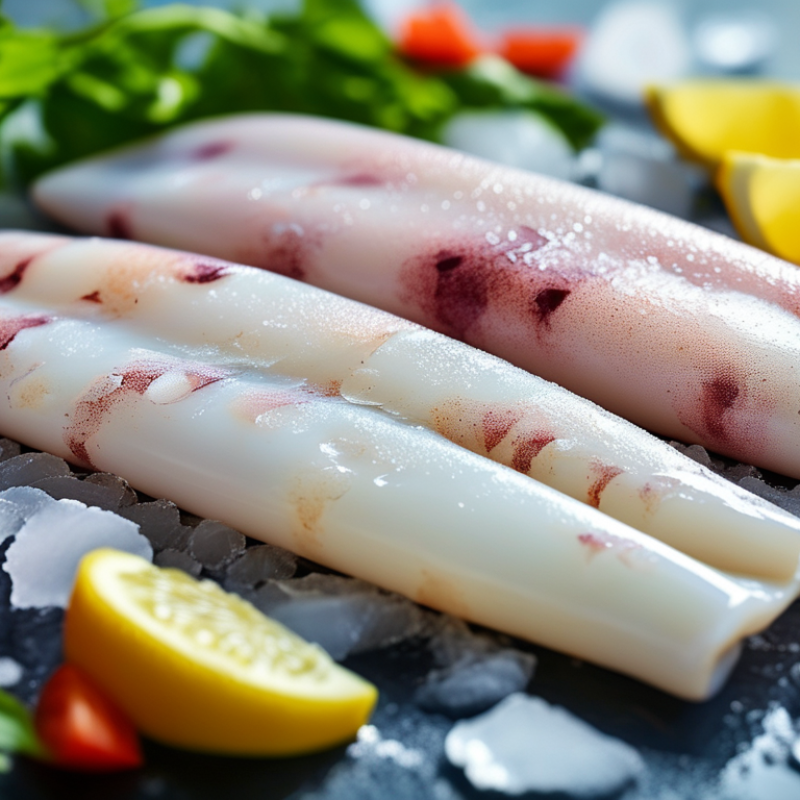
Understanding the Global Market for Frozen Squid Fillet
Understanding the global market for frozen squid fillet requires thorough research. The demand for squid is rising steadily. Many countries are significant players in this market. Consumers appreciate the product for its versatility and flavor. However, high-quality squid fillet often comes at a premium price.
Various factors influence pricing and quality. Seasonal availability can impact supply. For instance, fishing seasons vary by region. The demand in Asia and Europe drives global prices. Additionally, processing standards affect quality. Buyers should research suppliers’ practices. The Cold Chain management is critical for maintaining freshness and quality during transportation.
Sustainability is also a key consideration. Overfishing threatens squid populations. Ethical sourcing is becoming increasingly important to consumers. Some importers may overlook these factors, focusing solely on price. This approach can harm both the business and the ocean ecosystem. Sustainable sourcing can lead to better long-term relationships and a more stable market. Quality and sustainability can go hand in hand.
Identifying Reliable Suppliers of Frozen Squid Fillet
Identifying reliable suppliers of frozen squid fillet is crucial for quality assurance. Start by searching online platforms and industry directories. Look for suppliers with verified credentials. It’s essential to verify their business license and trade references. Check for reviews and feedback from previous clients. This builds a foundation of trust.
When evaluating suppliers, consider quality over price. Higher-priced products often indicate better sourcing and processing methods. Inspect product specifications, including size, freshness, and packaging. These details significantly impact the final dish quality you can produce.
Tips:
Visit trade shows and exhibitions if possible. Engaging directly with suppliers can yield valuable insights. Ask for samples before committing to a larger purchase. This allows you to assess taste and texture firsthand. Also, communicate clearly about your expectations. Misunderstandings can lead to disappointing orders. Reflect on the importance of due diligence in every step.
How to Purchase High Quality Frozen Squid Fillet Globally? - Identifying Reliable Suppliers of Frozen Squid Fillet
| Supplier Location |
Quality Certification |
Average Price per kg (USD) |
Minimum Order Quantity (kg) |
Shipping Options |
| Southeast Asia |
HACCP, ISO 22000 |
15.00 |
100 |
Air, Sea |
| South America |
BRC, EU Compliance |
12.50 |
200 |
Sea |
| North America |
FDA, MSC |
18.00 |
150 |
Air, Land |
| Europe |
IFS, ISO 9001 |
14.00 |
80 |
Sea, Rail |
Evaluating Quality Standards for Frozen Squid Fillet
When evaluating the quality standards for frozen squid fillet, several key factors come into play. Freshness is paramount. A high-quality product should be frozen shortly after harvesting. This helps maintain the taste and texture. Look for squid that is bright in color, without any signs of freezer burn. The texture should be firm but tender, indicating proper handling.
Hygiene standards also matter. Ensure that the supplier complies with food safety regulations. Check for certifications that indicate good practices in processing and packaging. Transparency in sourcing is crucial. Suppliers should trace their products back to the fishing methods used. Sustainable fishing practices can enhance the reliability of the product.
Additionally, consider the size and cut of the fillet. Consistency is important for culinary purposes. Some suppliers may offer irregular cuts or sizes, which can lead to inconsistent cooking results. Ask for samples where possible. This can help assess quality firsthand. Reflecting on these aspects can aid in making informed purchasing decisions.
Exploring Shipping and Handling Considerations for Imports
When importing high-quality frozen squid fillets, understanding shipping and handling is crucial. Global trade in seafood is growing steadily, with the frozen squid segment projected to increase at a CAGR of 5% over the next five years, according to industry reports. Temperature control is essential during transit. Maintaining a consistent -18°C ensures quality and freshness on arrival.
Consider packaging methods that protect the fillets from freezer burn and contamination. Vacuum sealing is a favored approach, as it minimizes air exposure. However, suppliers must adhere to strict handling guidelines to avoid quality deterioration. This often includes insulating materials that can withstand long transport times.
**Tips:** Choose a supplier experienced in international shipping. Their knowledge of customs and documentation can prevent delays. Always check for compliance with health and safety regulations to ensure product quality. Also, be cautious of shipping costs that may affect profitability. Sometimes, cheaper options could lead to higher losses in quality.
Global Frozen Squid Fillet Imports by Region (2022)
Best Practices for Purchasing Frozen Squid Fillet Online
When shopping for high-quality frozen squid fillet online, it's essential to prioritize freshness and quality. Look for suppliers with a transparent supply chain. This ensures you know where the squid is sourced and how it’s processed. Trustworthy vendors often provide information about their fishing practices and processing dates.
Tips: Always check for certifications. Reliable suppliers often have certifications from recognized bodies ensuring sustainable practices. This not only reflects quality but also commitment to environmental care.
It's crucial to read reviews from other buyers. Genuine feedback can reveal a lot about the product's quality and the seller's reliability. Be cautious of websites with limited information. They might not be the best choice for your purchase. Comparing prices is essential, but don’t compromise quality for a lower price. Quality frozen squid fillet should have a firm texture and bright color.
Tips: Look for companies that offer a satisfaction guarantee. This shows confidence in their product and can assure you of quality. Don't hesitate to reach out for more information. A responsive seller can make a significant difference in your purchasing experience.