2026 How to Source High Quality Squid Seafood for Global Buyers?
In the global seafood market, sourcing high-quality squid seafood presents both opportunities and challenges. The demand for squid has surged, with the Global Seafood Alliance reporting that the consumption of squid has increased by over 50% in the past decade. This trend highlights the necessity for suppliers to establish reliable connections with reputable fisheries and processing facilities. Quality assurance is paramount, as the market is sensitive to freshness and sustainability.
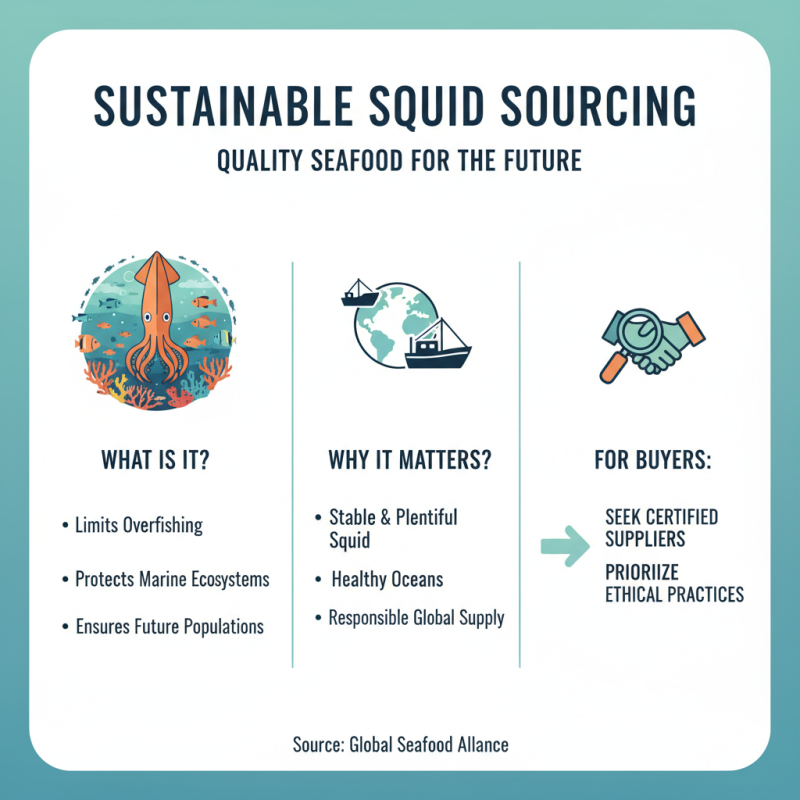
However, navigating the complexities of supply chains may lead to potential issues. Fluctuations in catch volumes due to environmental changes or regulation shifts can impact availability. A study from the Food and Agriculture Organization (FAO) indicates that overfishing affects the population dynamics of squid species, emphasizing the need for sustainable practices. Buyers must consider certifications and traceability to ensure their seafood meets ethical standards.
Ultimately, sourcing high-quality squid seafood requires diligence and expertise. Establishing strong relationships with suppliers while staying informed about market trends and sustainability practices is critical. As competition grows, buyers who prioritize quality and sustainability will gain a competitive edge in this dynamic market.

Understanding Global Demand for Squid Seafood in 2026
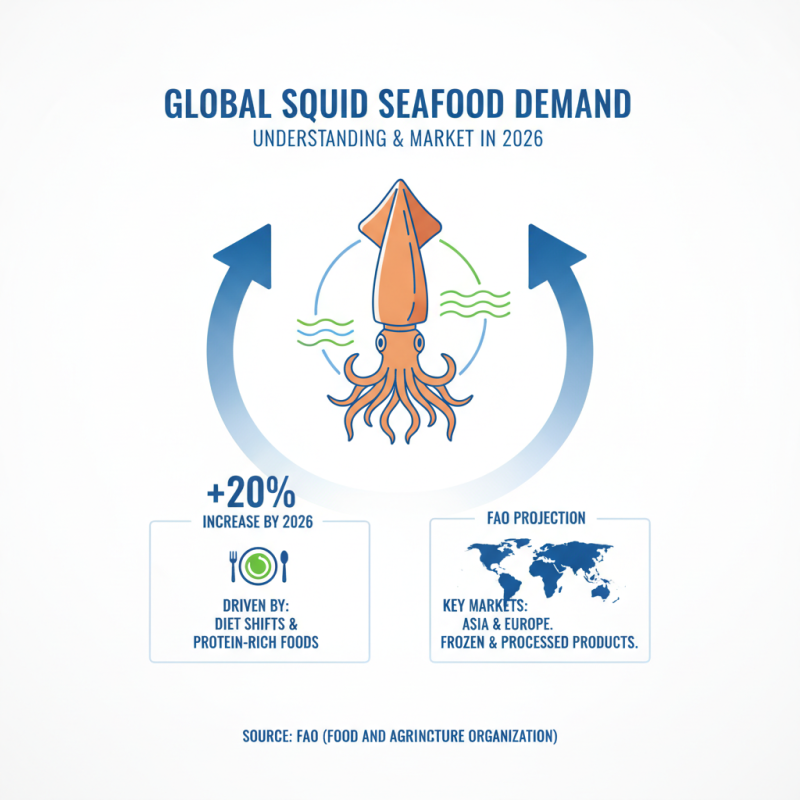
In 2026, the global demand for squid seafood is projected to rise significantly. According to the Food and Agriculture Organization (FAO), global consumption of squid could increase by over 20%. This surge is driven by changing dietary preferences and an inclination towards seafood rich in protein. Regions like Asia and Europe show a marked interest in frozen and processed squid products.
As buyers explore sourcing options, understanding market dynamics is crucial. For example, the Asia-Pacific region alone accounts for approximately 55% of the total squid consumption. This region's culinary traditions heavily feature squid, leading to consistent demand. However, sustainable sourcing practices are vital. Overfishing poses risks to squid populations, particularly in key waters. Buyers must seek suppliers who prioritize responsible fishing methods.
Another consideration is the fluctuation in supply due to climate impacts. Variations in ocean temperatures affect squid migration patterns and availability. The International Seafood Sustainability Foundation reported that some species may face challenges in the coming years. Thus, engaging with knowledgeable suppliers and consulting marine biologists can provide insights into sustainable options. Adaptability in sourcing strategies will be essential for buyers in this evolving landscape.
Evaluating Squid Processing Techniques for Enhanced Freshness
Evaluating squid processing techniques is crucial for maintaining freshness and quality.
High-quality squid should be processed quickly after harvesting. Rapid chilling is essential to preserve flavor and texture.
This technique reduces the growth of bacteria, ensuring a safer product for consumers.
Tips: Choose suppliers that prioritize quick processing. Look for those who implement ice or brine solutions to preserve freshness.
Regular inspection of their facilities can provide insights into their processing practices.
Other techniques include vacuum packaging and controlled atmosphere packaging.
These methods extend shelf life while retaining quality. It's also important to consider the handling methods used during transport.
Poor handling can impact the texture and taste of the squid.
Tips: Opt for suppliers who use temperature-controlled transport.
It helps in minimizing fluctuations during shipping. Always check for certification that ensures adherence to international safety standards.
Key Markets for Squid Seafood Exports and Their Requirements
When sourcing high-quality squid seafood, understanding key markets is essential. The global squid market is projected to reach over $8 billion by 2025, with Asia-Pacific leading in demand. Countries like Japan and South Korea are significant importers. They prioritize freshness and sustainability. Importers often require certifications like Marine Stewardship Council (MSC) or Best Aquaculture Practices (BAP). Meeting these standards enhances marketability.
Europe's squid market also shows promising growth. The EU imposes strict health regulations. The European Food Safety Authority (EFSA) outlines specific safety protocols. Exporters must ensure traceability and quality assurance. Reports indicate that consumers in Europe increasingly prefer sustainably sourced seafood. Transparency is vital in building trust.
Logistics cannot be overlooked. Squid has a short shelf life. Quick transport methods are necessary. Meeting the speed and quality demands of these markets can be challenging. Exporters face pressure to balance cost and quality. Continuous adaptation to market trends is crucial for success.
Leveraging Technology in Tracking and Sourcing High Quality Squid
Sourcing high-quality squid seafood requires advanced tracking technologies. The fishing industry is evolving. Reports indicate that traceability can improve product quality by 30%. This change benefits both suppliers and consumers.
Utilizing data analytics is vital. By analyzing catch data, producers can identify premium squid locations. Smart sensors provide real-time information on water temperature, depth, and squid behavior. Such technologies ensure that only the best products reach global buyers.
Yet, challenges remain. Not every supplier adopts these technologies. A recent study found that 40% of seafood suppliers lack proper tracking systems. This gap can lead to inconsistent quality. Continued investment in technology is essential for sustainable sourcing.