Inquiry
Form loading...

How to Source Frozen Squid Meat for Global Markets?

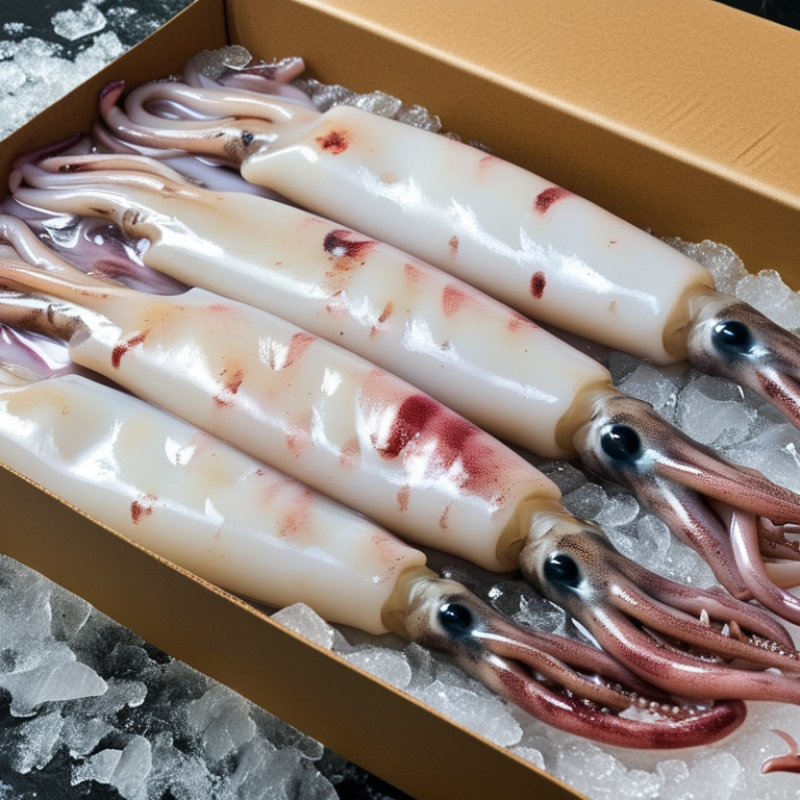
Sourcing Frozen Squid Meat for global markets requires more than finding a low quoted price. Buyers must connect species, fishing grounds, processing standards, cold-chain performance, and customer expectations. A reliable program begins with clear specifications. Define squid species, size range, cleaning style, cut format, glazing percentage, packaging, and target delivery temperature. Small details matter. A 10-kilogram carton can reveal major differences in yield and consistency.

Paul Greenberg, a respected seafood writer and policy expert, describes seafood as “the last wild food we eat.” This reminder is important when evaluating squid suppliers. Wild-caught products can vary by season, ocean area, vessel practices, and landing conditions. Ask for catch documentation, production dates, lot codes, processing records, and test results. Confirm that the plant follows recognized food-safety systems, such as HACCP, and meets destination-market requirements. Certifications can support trust, but they should not replace direct verification.

The cold chain deserves close attention. Frozen Squid Meat should normally remain solidly frozen during storage and transit, with temperature records available for review. Excessive glazing may hide low net weight. Repeated thawing can damage texture, even when cartons look acceptable. Request samples before signing a long-term agreement. Cook them using the buyer’s actual method. Texture may change after frying, steaming, or boiling.

There is no perfect supplier. That is worth admitting. A strong sourcing plan compares several approved factories, not just one attractive offer. It also reviews payment terms, recall procedures, inspection rights, and backup logistics. Careful sourcing turns Frozen Squid Meat from a commodity purchase into a controlled, traceable, and dependable global supply.

How to Source Frozen Squid Meat for Global Markets?

Define Frozen Squid Meat Types, Grades, and Product Specifications

Sourcing frozen squid meat starts with a precise product definition. Common formats include whole cleaned squid, tubes, rings, tentacles, and minced meat. Species also matter. Argentine shortfin squid, flying squid, and Japanese flying squid differ in size, texture, color, and cooking loss. FAO’s The State of World Fisheries and Aquaculture 2024 reported 185.4 million tonnes of global aquatic animal production in 2022. This scale shows why buyers need consistent specifications, not vague descriptions.

Grades should state size count, processing yield, skin condition, odor, glazing, and visible defects. For example, a tube specification might require 10–12 centimeters, 10% glaze, IQF processing, and a core temperature of -18°C or colder. Block-frozen products can reduce costs, but they may require thawing before portion control. Codex’s standard for quick frozen raw squid supports checking identity, cleanliness, freezing condition, packaging, and labeling. UN Comtrade classification HS 030743 helps buyers compare international trade flows for frozen cuttlefish and squid, although reporting practices vary between countries.

A reliable purchase sheet should record scientific species names, capture area, production date, net weight, glaze percentage, and temperature history. Ask for laboratory results covering microbiological safety and chemical contaminants. Small details matter. I would not trust color alone as a grade indicator; lighting can hide dehydration and freezer burn. Specifications can still fail when inspection samples are too small. A practical improvement is testing several cartons from different pallet positions before approving shipment.

How to Source Frozen Squid Meat for Global Markets?

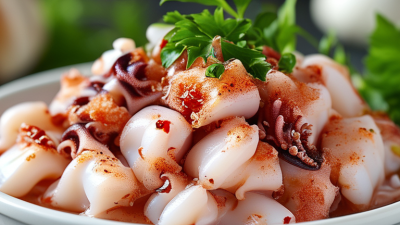
Frozen squid meat is commonly traded as whole cleaned squid, tubes, rings, or tentacles. Size grades are usually specified by body length, cut diameter, or piece count, while commercial specifications commonly include IQF or block freezing, a storage temperature of −18°C or below, and a declared glazing percentage.

Chart guide: The values show representative commercial piece dimensions in centimeters. Actual grades vary by species, origin, processing method, and buyer specification. Importers should confirm net weight, glaze, size tolerance, microbiological limits, packaging format, and cold-chain requirements through the supplier’s product specification and certificate of analysis.

Identify Reliable Squid Suppliers and Verify Their Production Capabilities

How to Source Frozen Squid Meat for Global Markets?

Sourcing frozen squid meat begins with supplier verification, not attractive catalogs. Ask about species, catch area, harvest dates, processing location, and freezing method. Reliable suppliers provide traceable lot codes and consistent answers. Request current specifications, microbiological reports, glazing percentage, size grades, and storage temperature records. Compare these documents with physical samples. The squid should have clean cuts, firm texture, natural color, and limited ice crystals. Polished samples can still hide inconsistent grading. That deserves attention.

Production capability requires more than a stated monthly volume. Ask to review processing lines, cold storage capacity, seasonal raw material plans, and backup power systems. A serious supplier should explain how workers control temperature from receiving through shipment. Check whether quality staff inspect foreign materials, odor, dehydration, and net weight. Independent audits can support your assessment, while recognized food-safety systems add useful structure. No audit is perfect. Follow-up visits may reveal practical weaknesses that documents miss.

Tips: Request trial shipments before signing long-term agreements. Compare three production lots, not one. Record thawing loss, texture, odor, and actual net weight. Confirm packaging durability for long-distance transport. Ask difficult questions about delays, rejected lots, and corrective actions. If answers remain vague, pause the purchase. A lower price is not a reliable advantage when inconsistent supply damages customer trust.

Evaluate Quality Standards, Certifications, and Traceability Systems

Sourcing frozen squid meat for global markets requires more than comparing price and size. Buyers should verify species, harvest area, catching method, and processing date. These details affect texture, flavor, and regulatory acceptance. During supplier evaluations, request product specifications and recent laboratory reports. Test results should cover microbiological safety, heavy metals, allergens, and foreign materials. The product should remain at -18°C or below throughout storage and transport. Cold chain matters.

A reliable processor should operate under a documented food safety system, such as HACCP, and maintain regular third-party audits. Certifications can support credibility, but their scope must be checked carefully. A certificate may cover one facility, not every vessel or product line. Review its validity, audit date, and applicable processing site. Inspectors should also examine sanitation records, freezer logs, calibration reports, and corrective actions. Paper is not proof.

Traceability should connect each carton to a specific lot, vessel or farm source, landing date, processing shift, and shipment record. Ask suppliers to conduct a mock recall and produce these records quickly. Clear lot codes should appear on cartons, invoices, and laboratory documents. In practice, some systems look impressive but fail when data comes from multiple intermediaries. I have seen missing landing dates create unnecessary doubt. That weakness deserves attention before a contract is signed. Yet even strong systems need periodic verification, because human data entry remains imperfect.

Compare Pricing, Packaging, Logistics, and Cold Chain Requirements

How to Source Frozen Squid Meat for Global Markets?

Frozen squid meat sourcing depends on more than the quoted price. Species, cut, size, glazing percentage, and seasonal supply can change the final cost. A low quote can still become expensive after inspection, storage, and inland delivery fees. Compare offers using the same net weight and product specifications. Confirm whether prices include export documents, port handling, and temperature-controlled transport. These details are often overlooked.

Packaging should protect the meat during long journeys. Choose food-grade inner bags, strong cartons, and clear lot identification. Vacuum packs may reduce freezer burn, while individually quick-frozen pieces can simplify portion control. However, packaging preferences vary by market and buyer equipment. Use refrigerated containers set at -18°C or colder, with data loggers for temperature evidence. Plan buffer time for port delays. One missed connection can damage product quality, even when the supplier followed the correct loading procedure.

Tips: Request samples before signing a large contract. Check thaw loss, texture, odor, glazing, and carton strength. Ask for recent temperature records and production specifications. Compare at least three delivered-cost quotations, not only factory prices. Build a contingency plan, because cold-chain assumptions are sometimes too optimistic. After arrival, record actual costs and quality results. This makes the next purchasing decision more reliable.

How to Source Frozen Squid Meat for Global Markets? — Pricing, Packaging, Logistics, and Cold Chain Requirements

The ranges below are indicative bulk-trade levels for frozen squid products, generally quoted in USD per kilogram on an FOB basis. Actual prices vary with species, season, size, yield, processing method, glazing, certification, order volume, currency, and destination market.

Product / Typical Source Area Common Processing Form Typical Commercial Specification Indicative FOB Price Range Recommended Packaging Typical Shelf Life Estimated Ocean Transit to Major Markets Cold Chain Requirements Key Quality and Compliance Checks Best-Fit Market Applications
Argentine shortfin squid
Illex argentinus
Whole cleaned tubes, tubes with tentacles, rings, or individually quick frozen portions. Usually 100–300 g pieces; natural white to light pink flesh; commonly 5–10% protective glaze depending on contract. US$2.80–4.80/kg 10 kg or 20 kg net cartons with food-grade inner polyethylene bags; IQF products often use 500 g or 1 kg retail packs inside master cartons. 18–24 months at or below −18°C when properly packed and continuously frozen. Approximately 25–40 days to East Asia; 20–35 days to Northern Europe; 30–45 days to the Mediterranean, depending on port and service. Load product at −18°C or colder; maintain container set point near −20°C to −25°C; avoid temperature excursions during transshipment and port storage. Species identification, size count, thaw drip, glaze percentage, odor, visible parasites, foreign matter, microbiological results, and harvest-area documentation. Foodservice portions, fried calamari, rings, Asian hot-pot products, and value-added seafood meals.
Jumbo flying squid
Dosidicus gigas
Skinless tubes, tentacles, whole cleaned squid, strips, rings, or marinated products. Large tubes and tentacles; firm texture; naturally darker or reddish skin if not fully peeled; frequently sold as blocks or IQF pieces. US$2.20–4.20/kg 10 kg or 20 kg cartons for industrial buyers; vacuum packs or 1 kg retail bags for processed products; use strong cartons to prevent crushing. 18–24 months at −18°C or colder, subject to processing quality and packaging integrity. Approximately 20–35 days to East Asia; 25–45 days to Europe; 15–30 days to the west coast of North America. Rapid freezing is important because large squid can develop texture changes if chilling is delayed; maintain a stable frozen chain below −18°C. Check texture after cooking, ammonia-like odor, oxidation, drip loss, phosphate or additive declaration, net weight, and consistency of cut size. Processed rings, battered products, seasoned strips, seafood snacks, and lower-cost foodservice menus.
Patagonian squid
Doryteuthis gahi
Small-to-medium tubes, cleaned whole squid, rings, tentacles, or individually frozen pieces. Commonly smaller size grades; tender texture; sold in calibrated counts or mixed-size cartons depending on the fishery and processing line. US$3.40–6.00/kg 5 kg, 10 kg, or 20 kg cartons; separate inner bags by size grade; IQF packaging is preferable for restaurants requiring portion control. 18–24 months at −18°C or colder. Approximately 25–40 days to Europe; 30–45 days to East Asia; 15–30 days to North American west coast ports. Keep product frozen from factory blast freezer through final delivery; use temperature data loggers for long-distance shipments. Verify size count, cleaning yield, skin removal, breakage, dehydration, glaze, and traceability from landing or production lot to carton. Premium restaurant dishes, tapas, grilled squid, smaller fried portions, and retail IQF packs.
Indian Ocean squid
Loligo and related commercial species
Cleaned tubes, tubes and tentacles, rings, whole squid, or frozen blocks for further processing. Small-to-medium pieces with variable size availability; products may be sold as raw, blanched, or lightly processed depending on the buyer specification. US$3.00–5.50/kg 10 kg or 20 kg cartons for wholesale; 500 g to 1 kg sealed bags for retail; use moisture-resistant packaging in humid logistics environments. 18–24 months at −18°C or colder. Approximately 15–30 days to the Middle East; 20–35 days to Europe; 25–45 days to East Asia. Pre-cool cartons before container loading; maintain −18°C or below and protect against repeated door openings during inland delivery. Confirm catch documentation, sanitary certificate, allergen declaration, sulfite or phosphate use where applicable, and absence of excessive surface dehydration. Regional wholesale, hotel and restaurant supply, curry and stir-fry dishes, and frozen seafood distribution.
North Atlantic squid
Loligo vulgaris and related species
Whole cleaned squid, tubes, tentacles, rings, or premium IQF portions. Generally valued for tender texture and appearance; size grading and careful handling are important for premium foodservice sales. US$5.00–9.00/kg 5 kg or 10 kg cartons for premium buyers; vacuum skin packs or 500 g–1 kg bags for retail; use high-barrier film to reduce freezer burn. 18–24 months at −18°C or colder. Approximately 5–20 days to nearby European markets; 25–40 days to East Asia; 20–35 days to North America. Keep product continuously frozen at −18°C or below; avoid partial thawing because repeated freeze–thaw cycles reduce texture and increase drip. Check bright appearance, odor, tenderness, size uniformity, net weight, glazing, catch area, harvest season, and applicable sustainability or fishery documentation. Premium retail, Mediterranean cuisine, high-end restaurants, tapas, grilling, and chilled-thaw seafood counters.
Cooked squid rings or tentacles
Value-added frozen product
Boiled or steamed, sliced rings, tentacles, seasoned portions, or ready-to-cook coated products. Typically standardized portion sizes; cooked yield and texture depend on species, cooking time, additives, and freezing method. US$5.50–10.00/kg 500 g or 1 kg retail bags, 2–5 kg foodservice bags, or 10 kg master cartons; packaging should clearly state cooking status and reheating instructions. 12–18 months at −18°C or colder, depending on formulation and packaging barrier. Approximately 15–35 days for intercontinental ocean delivery, plus inland distribution time. Freeze quickly after cooking; store and transport at −18°C or colder; separate from raw seafood if the facility uses different hygiene zones. Verify microbiological controls, cooking validation, allergen labeling, ingredient and additive declarations, foreign-body controls, and reheating instructions. Convenience foods, supermarket freezer aisles, catering, ready meals, and quick-service restaurants.
Frozen squid blocks for further processing
Industrial raw material
Interlocked or solid blocks of cleaned squid, tubes, tentacles, trimmings, or mixed parts. Common block weights are approximately 7–20 kg; exact composition, glaze, piece ratio, and permitted trimmings must be defined in the purchase contract. US$2.00–4.00/kg Water-resistant master cartons with sealed food-grade liners; palletize evenly and use corner protection to reduce carton collapse. 18–24 months at −18°C or colder. Approximately 20–45 days depending on origin, destination, season, and port congestion. Maintain a stable frozen environment; block products should be protected from mechanical shock and temperature fluctuations during handling. Confirm block weight, species mix, foreign matter, glaze, phosphate or sulfite usage, thaw yield, microbiology, and suitability for the buyer’s processing line. Surimi-style processing, battered seafood, canned or cooked products, food manufacturing, and institutional catering.
Organic or sustainability-focused specification
Certification-dependent product
Usually IQF tubes, rings, whole cleaned squid, or value-added portions supplied with additional traceability documentation. Specification depends on the fishery and certification program; claims must be supported by valid, current documentation rather than marketing statements alone. US$4.50–9.50/kg Use recyclable or reduced-material packaging where accepted by the destination market; retain lot codes on both inner bags and master cartons. 18–24 months at −18°C or colder, subject to product type and packaging. Approximately 15–45 days for international ocean shipments. Maintain −18°C or colder and preserve a documented chain of custody from approved landing or farm-equivalent source through final importer. Validate certification scope, catch documentation, labor and traceability records, species name, production lot, sanitary certificate, and destination-market labeling rules. Premium retail, institutional procurement, sustainability-led foodservice, and markets requiring enhanced traceability.
Procurement reference: Before issuing a purchase order, define the scientific species name, product form, size count, net weight, glaze percentage, additives, packaging format, minimum remaining shelf life, temperature tolerance, inspection method, permitted defect level, certificates, Incoterm, and responsibility for temperature-controlled transport. Prices should be reconfirmed against current quotations because squid landings, seasonal supply, fuel costs, exchange rates, and freight rates can change substantially.

Manage Import Regulations, Documentation, and Global Market Distribution

Sourcing frozen squid meat requires more than comparing supplier prices. Import rules differ by destination, even when the product uses the same HS code, 030743. FAO’s 2024 SOFIA report recorded 185 million tonnes of global aquatic animal production in 2022. About 89% was used for human consumption. This supports steady seafood demand, but it does not remove compliance risks. Confirm the permitted species, processing method, fishing area, and approved establishment before signing a contract.

Documentation must match the cargo exactly. Prepare a commercial invoice, packing list, bill of lading, certificate of origin, health certificate, and applicable catch documentation. Some markets also require import permits, laboratory results, or prior electronic notification. UN Comtrade data can help compare frozen squid trade flows under HS 030743, but customs data may combine squid and cuttlefish. That limitation deserves attention. A single tariff search is not enough.

Keep the product at -18°C or colder, with temperature records from loading to delivery. Use data loggers, tamper-evident seals, and FEFO inventory control at each cold store. Distribution plans should include port inspection delays and inland reefer capacity. I have found that paperwork timing often causes more disruption than ocean transit. Labels should state species, net weight, production date, lot number, storage temperature, and allergens where required. A perfect forecast is unrealistic. Build a small safety stock, review rejection data monthly, and revise routes when border practices change. Sources: FAO, The State of World Fisheries and Aquaculture 2024; UN Comtrade International Trade Statistics.