10 Simple Tips for Perfectly Cooking Frozen Fish Balls at Home
Cooking Frozen Fish Balls at home can be an incredibly rewarding experience, allowing you to enjoy a delightful seafood dish without the hassle of extensive preparation. These versatile and flavorful bites can enhance a variety of meals, making them a perfect addition to soups, stir-fries, or even as a standalone entrée. However, achieving the perfect texture and flavor can sometimes be a challenge, especially if you're unfamiliar with the best cooking techniques.
In this guide, we will share 10 simple tips that will elevate your skills in Cooking Frozen Fish Balls. Whether you are a novice in the kitchen or an experienced cook looking to expand your repertoire, these practical pointers will ensure that your fish balls are cooked to perfection every time. From thawing methods to optimal cooking times, we will cover everything you need to know to make your homemade seafood dishes a hit. So, roll up your sleeves and get ready to impress your family and friends with your delectable frozen fish ball creations!

Choosing the Right Frozen Fish Balls for Cooking Success
When it comes to cooking frozen fish balls at home, starting with the right selection is crucial for culinary success. The global seafood market has experienced significant growth, projected to reach USD 185 billion by 2027, driven by increasing consumer demand for convenient and nutritious food options. This trend implies that selecting high-quality frozen fish balls can enhance your cooking experience and final dish, as they provide key nutrients and flavors that are often lost in lower-quality products.
To ensure you’re choosing the right frozen fish balls, look for products that list whole fish or seafood as their primary ingredient. According to a report published by the Food and Agriculture Organization (FAO), fish that are minimally processed retain more nutrients and flavors, which leads to better taste in your dishes. Additionally, consider the sourcing of the fish; products marked with sustainability certifications often indicate healthier catching practices that benefit both consumers and the environment. Studies show that fish balls made with freshly sourced, frozen ingredients not only reduce waste but also ensure fresher flavors and more satisfying textures when cooked. Investing time in selecting high-quality fish balls will pay off with delightful meals that your family and friends will enjoy.
Essential Tools and Equipment for Preparing Frozen Fish Balls
When preparing frozen fish balls at home, having the right tools and equipment can significantly simplify the cooking process. First, a reliable non-stick skillet or frying pan is essential. This allows for even cooking and prevents the fish balls from sticking, ensuring they maintain their shape and delicious texture.
Alternatively, a steamer can be used to gently cook the fish balls, preserving their moisture and flavor. For those who prefer a healthier option, an air fryer can provide a crispy exterior without the excess oil.
Another important tool is a food thermometer, which helps ensure that the fish balls are cooked to the appropriate internal temperature, guaranteeing both safety and quality. A slotted spoon is also useful for removing the fish balls from boiling water or hot oil, allowing excess liquid to drain. Lastly, having a set of mixing bowls can help with marinating or adding flavorings to the fish balls before cooking. With these essential tools at hand, preparing frozen fish balls at home becomes an enjoyable and straightforward culinary experience.
Step-by-Step Thawing Techniques for Frozen Fish Balls
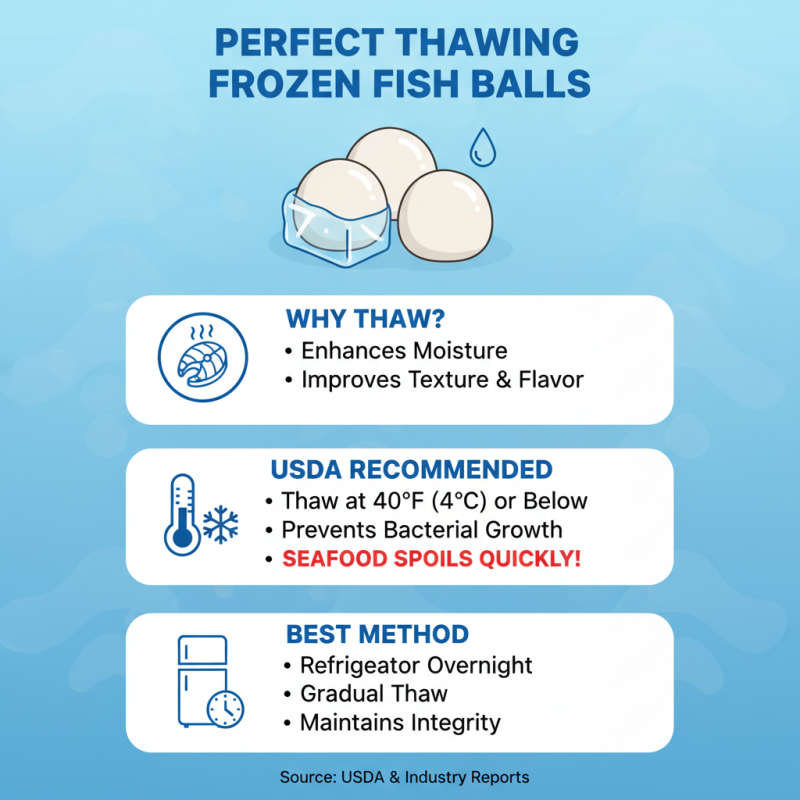
When it comes to cooking frozen fish balls, mastering the thawing process is crucial for achieving optimal texture and flavor. According to industry reports, properly thawing fish products can enhance moisture retention and improve cooking outcomes. The USDA recommends that fish should be thawed at a temperature of 40°F or below to prevent bacterial growth, which is especially important given that seafood products can spoil quickly. A more effective method is to plan ahead and thaw your fish balls in the refrigerator overnight, allowing them to gradually come to the correct temperature while maintaining their integrity.
An alternative method for those in a time crunch is to use cold water thawing, which can be done safely and quickly. Place the sealed fish balls in a bowl of cold water, changing the water every 30 minutes until they are fully thawed. This method not only speeds up the process but also limits the amount of time the fish is exposed to potentially harmful temperatures. According to a study by the Seafood Industry Research Institute, fish balls that are correctly thawed this way display better flavor profiles and cooking characteristics than those left to thaw at room temperature, ensuring that your dishes turn out perfectly every time. Finally, always avoid using hot water, as it can promote uneven thawing and compromise the fish’s structure.
Cooking Methods: Frying, Boiling, and Steaming Frozen Fish Balls
When it comes to cooking frozen fish balls, choosing the right method can significantly enhance their flavor and texture. Three popular techniques include frying, boiling, and steaming, each offering a distinct taste experience.
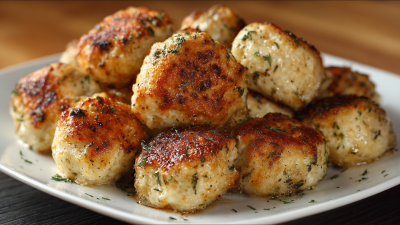
Frying frozen fish balls can create a crispy exterior that beautifully contrasts with the tender inside. For best results, heat a sufficient amount of oil in a pan over medium heat and add the fish balls once the oil is hot. Fry them until golden brown, turning them occasionally to ensure even cooking. This method is ideal for those looking to add a crunchy element to their dish, making it perfect for serving as appetizers or snacks.
Boiling is another effective way to cook frozen fish balls, which allows for a light and healthy option. To boil them, bring a pot of water to a gentle boil and add the fish balls. Cook for about 5 to 7 minutes or until they float to the surface. This method helps preserve the fish balls' moisture and flavor, making it a great choice for adding to soups or stews. Lastly, steaming is an excellent option for retaining nutrients and achieving a soft texture. Place the fish balls in a steamer basket over simmering water and steam for about 8 to 10 minutes. Steamed fish balls can be enjoyed alone or served with dipping sauces for added flavor. Each method offers a unique way to enjoy these delightful bites, catering to different culinary preferences.
Cooking Methods Comparison for Frozen Fish Balls
Tips for Enhancing Flavor and Texture of Cooked Fish Balls
When it comes to enhancing the flavor and texture of frozen fish balls, there are several simple yet effective tips you can follow to elevate your home-cooked dish. First, consider marinating your fish balls prior to cooking. A mixture of soy sauce, ginger, garlic, and a splash of citrus can infuse the fish balls with a depth of flavor that will make a significant difference. Allowing them to marinate for at least 15-30 minutes can help the proteins absorb the seasoning, resulting in a more savory bite.
Another great method for improving the texture of your fish balls is to pan-fry them instead of boiling. Cooking in a hot skillet with a bit of oil can produce a crispy exterior that contrasts well with the soft and tender inside. This technique not only enhances the texture but also adds a delightful crunch. To further enhance the flavor, consider adding aromatics like chopped scallions or fresh herbs during the cooking process, giving your dish a bright, fresh finish.
Don’t forget about the power of dipping sauces! Serving your fish balls with a tangy dipping sauce made from vinegar, chili, and fresh herbs can bring out their natural flavors and create a delightful contrast. Alternatively, a creamy sauce with hints of garlic or mustard can add richness and complexity to your meal. Embracing these tips will surely lead to deliciously enhanced fish balls that excite your taste buds.
10 Simple Tips for Perfectly Cooking Frozen Fish Balls at Home - Tips for Enhancing Flavor and Texture of Cooked Fish Balls
| Tip Number |
Tip Description |
Recommended Cooking Method |
Flavor Enhancements |
| 1 |
Thaw before cooking |
Boiling |
Add herbs to the water |
| 2 |
Use the right temperature |
Grilling |
Marinate beforehand |
| 3 |
Don’t overcrowd the pan |
Pan-frying |
Add a splash of lemon juice |
| 4 |
Check doneness with a thermometer |
Baking |
Serve with dipping sauce |
| 5 |
Add vegetables for flavor |
Steaming |
Use soy sauce and sesame oil |
| 6 |
Use a non-stick pan |
Sautéing |
Add fresh ginger and garlic |
| 7 |
Rest before serving |
All methods |
Sprinkle with scallions |
| 8 |
Use a flavorful broth |
Poaching |
Add chili flakes |
| 9 |
Experiment with spices |
Frying |
Try curry powder or paprika |
| 10 |
Serve with etiquette |
All methods |
Garnish with fresh herbs |