Top 5 Tips for Cooking Frozen Squid Strips Deliciously?
Cooking with Frozen Squid Strips can be an exciting culinary adventure. These seafood delights are versatile and packed with flavor. However, many struggle to prepare them perfectly. With the right techniques, you can turn those frozen morsels into a delicious dish.
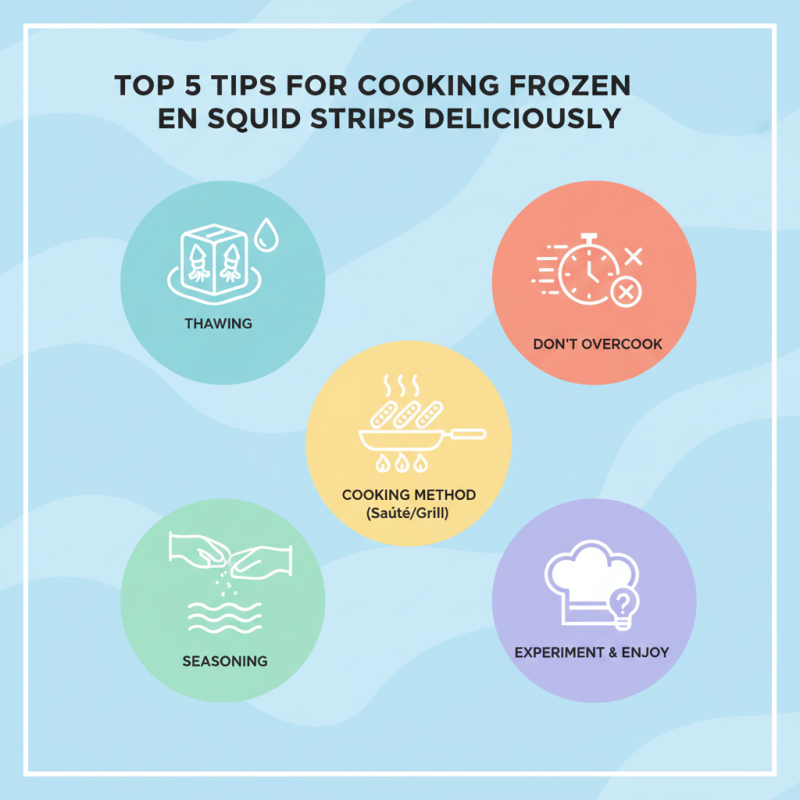
Imagine the aroma filling your kitchen as you cook. The key lies in the preparation. Sautéing or grilling can bring out their natural sweetness. Yet, it is easy to overcook them. This can make your dish chewy and unappetizing.
Using a few tips can enhance your cooking experience. Simple techniques like proper thawing and seasoning can elevate the flavors. Don't rush the process. Sometimes, less is more, and experimenting can yield surprising results. Each attempt at cooking Frozen Squid Strips is an opportunity to improve.
Preparing Frozen Squid Strips: Essential Thawing Techniques
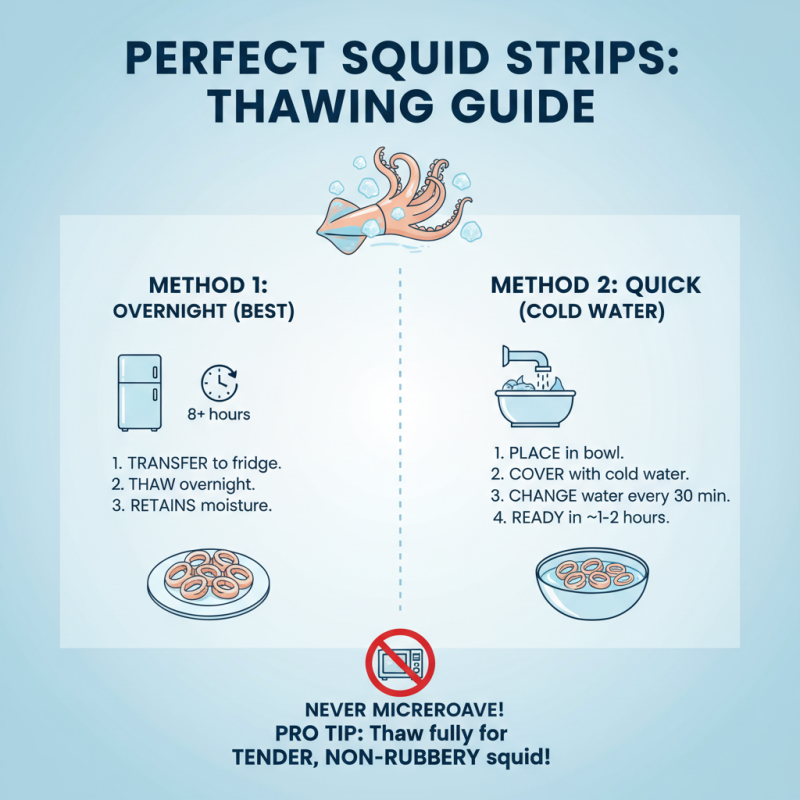
When cooking frozen squid strips, proper thawing is crucial for achieving the best flavor and texture. One effective technique is to place the squid in the fridge overnight. This slow thawing process helps retain moisture and keeps the strips firm. If you're short on time, a quicker method involves sealing the squid in a plastic bag and submerging it in cold water. This usually takes about 30 minutes.
Another approach is to thaw the squid directly in the cooking process. Simply add frozen strips to your pan while starting with low heat. However, this can cause uneven cooking. The outside might cook quickly while the inside remains icy. It's essential to monitor closely to avoid this common pitfall. Each method has its pros and cons, and finding the one that works best for your cooking style is key.
Top 5 Tips for Cooking Frozen Squid Strips Deliciously
| Tip Number |
Tip |
Details |
| 1 |
Thaw Properly |
Thaw squid strips in the refrigerator for several hours or overnight to maintain texture. |
| 2 |
Avoid Hot Water |
Do not thaw in hot water as it can cook the exterior and leave the inside frozen. |
| 3 |
Season Before Cooking |
Lightly season the thawed squid strips with salt, pepper, and herbs for enhanced flavor. |
| 4 |
Use High Heat |
Cook squid strips quickly over high heat to ensure they are tender and avoid chewiness. |
| 5 |
Experiment with Marinades |
Try different marinades before cooking for added flavor, such as soy sauce, garlic, or citrus. |
Choosing the Right Seasonings for Flavorful Squid Strips
Choosing the right seasonings for frozen squid strips can elevate their flavor. Simple ingredients can create a delicious dish. Start with salt and pepper for basic seasoning. They complement the natural taste of the squid well.
Adding garlic powder or fresh minced garlic brings an aromatic depth. You might also consider a hint of chili flakes for some heat. These spices enhance the overall flavor without overpowering the squid. However, be cautious with the amount; too much can overwhelm the delicate taste.
Marinating the strips is also worthwhile. A mixture of olive oil, lemon juice, and herbs like parsley can add freshness. Letting them sit for even 30 minutes can make a noticeable difference. Yet, balancing flavors is tricky. Experiment with different herbs to find what works best for your palate.
Optimal Cooking Methods for Frozen Squid Strips
Cooking frozen squid strips can be an art. You want a delicious meal with perfect texture. Here are some top cooking methods that work well.
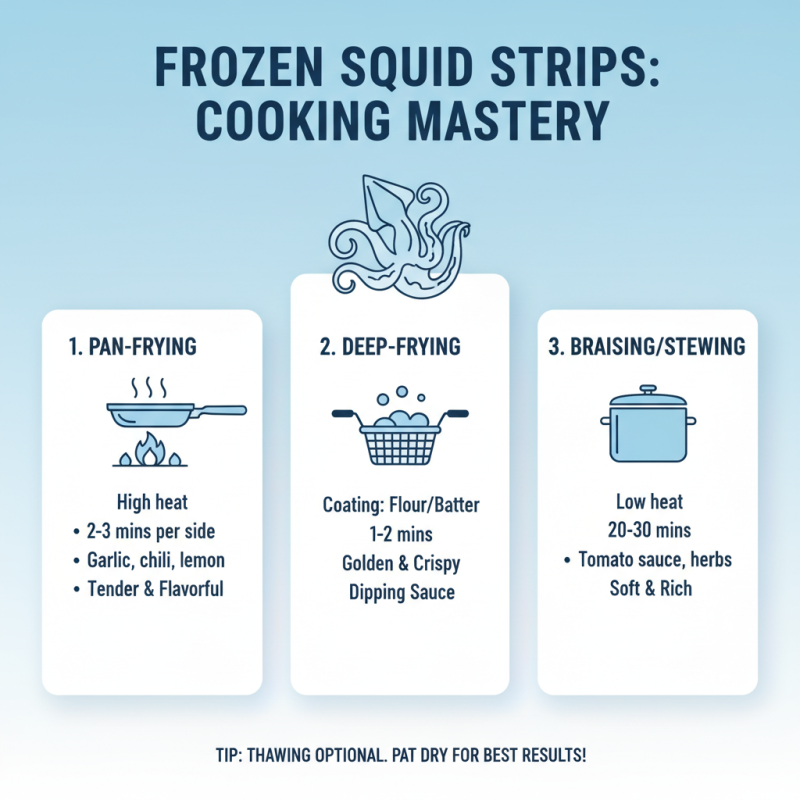
Steaming squid strips is a gentle method. It keeps the natural flavors intact. According to a culinary report, steaming can retain up to 90% of nutrients in seafood. Aim for only 5-7 minutes on high heat. Don't overdo it; otherwise, the squid becomes rubbery.
Another popular method is frying. This can bring out a crispy coating. However, be mindful of the oil temperature. The ideal range is between 350°F and 375°F. This not only helps in achieving that crunch but also seals in moisture. Let them cook for 3-4 minutes until golden.
Ready for some quick tips? Use a simple marinade. Lime juice, garlic, and pepper enhance the flavor significantly. Remember not to thaw the squid before cooking, as this can change the texture. Lastly, always taste before seasoning. In the end, cooking frozen squid strips should be enjoyable, not a chore. Don’t hesitate to experiment!
Tips for Achieving the Perfect Texture in Squid Strips
When cooking frozen squid strips, achieving the perfect texture is essential. Thawing the squid correctly is the first step. Place the strips in the refrigerator overnight. If short on time, use cold water for quicker thawing. This helps retain moisture and prevents a rubbery texture.
Once thawed, pat the strips dry with paper towels. Excess moisture can steam the squid, making it chewy instead of tender. Consider marinating the squid for added flavor. A mixture of olive oil, garlic, and lemon juice can enhance the taste while keeping the texture right. Avoid marinating for too long, as this can make the squid tough.
Cooking techniques matter too. Quick methods like frying or sautéing are best. High heat cooks the squid fast and gives a nice sear. Under-cook slightly; the strips will continue to cook off the heat. Experimenting is key. Sometimes, overcooking can happen, leading to disappointment. Keep an eye on the squid, so it remains succulent and enjoyable.
Serving Suggestions for Enhancing Frozen Squid Strip Dishes
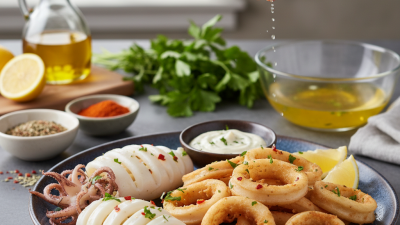
When cooking frozen squid strips, presentation matters. Think about colors and textures on the plate. Use fresh greens like cilantro or parsley for a bright touch. A sprinkle of lemon zest can visually enhance the dish. Pair your squid strips with colorful veggies, like bell peppers or cherry tomatoes. They bring both crunch and flavor.
Dipping sauces make a big difference. A spicy aioli can add a kick, while a tangy citrus sauce brightens the taste. Consider serving the squid strips with a sweet chili sauce for a delightful contrast. Experiment with different flavor profiles to find what works for you. Remember that not every combination will be a winner, and that’s okay. Each attempt teaches something new.
Think about side options too. A light salad can balance the meal. You could also try a bed of creamy risotto. If you made it too rich, adjust the flavors next time. Cooking is a journey of learning. So, let your imagination guide you, and enjoy the process of enhancing those delicious squid strips.