Top 10 Benefits of Eating Frozen Squid Tentacles for Health?
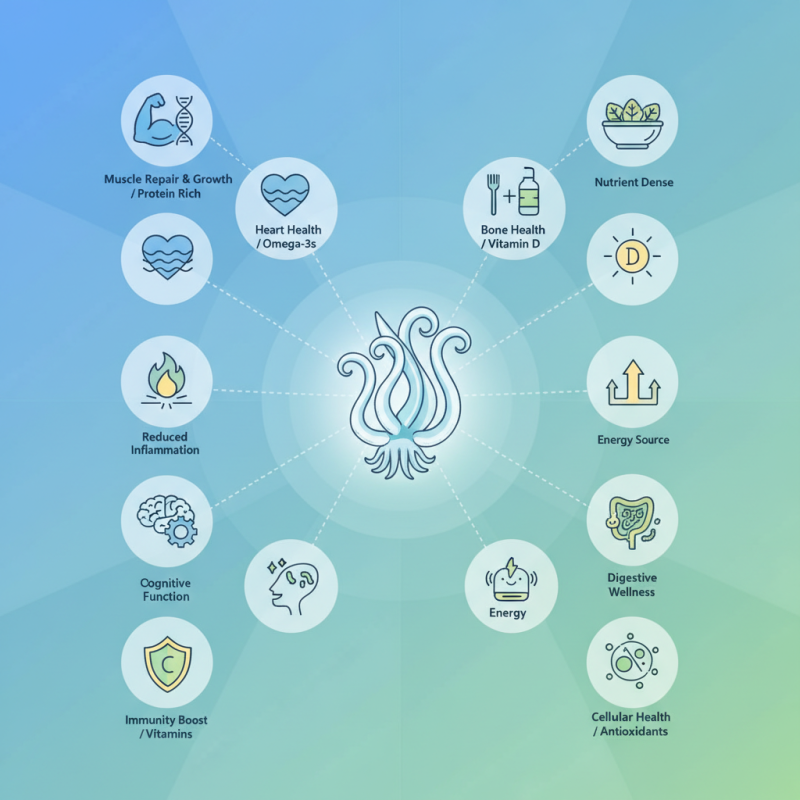
Frozen Squid Tentacles are more than just a seafood delicacy. They offer various health benefits that many people overlook. Packed with nutrients, they can enhance your diet significantly. These slender, tender parts are rich in protein, which is essential for muscle repair and growth.
Moreover, Frozen Squid Tentacles provide essential omega-3 fatty acids. These fats are known to promote heart health and reduce inflammation. Including them in your meals creates a burst of flavor without unhealthy additives. However, it's easy to forget about these benefits in a busy lifestyle.
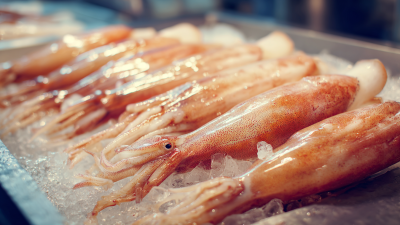
One must consider freshness when buying Frozen Squid Tentacles. While they are convenient, the quality can vary. Not all frozen products maintain their nutritional value. It's necessary to choose a trusted source for the best health benefits. These small choices impact overall well-being.
Nutritional Profile of Frozen Squid Tentacles
Frozen squid tentacles are a nutritious seafood option that packs a punch in terms of health benefits. They are rich in protein, containing about 15 grams per 100 grams. This makes them a great choice for muscle maintenance and repair. A recent nutritional analysis revealed that squid tentacles are low in calories as well, with just 92 calories per serving. This is particularly appealing for those looking to maintain a healthy weight.
In addition to being high in protein, squid tentacles are an excellent source of essential vitamins and minerals. They are abundant in vitamin B12, which is vital for energy production and brain health. Furthermore, they contain a significant amount of omega-3 fatty acids, known for their heart health benefits. Studies have shown that omega-3s can reduce inflammation and lower the risk of chronic diseases. However, it's worth noting that not everyone may enjoy the taste or texture of squid. Some individuals find it tough or chewy, which can be a barrier to consumption.
The nutritional content of frozen squid tentacles does raise some questions. While they are generally safe, sourcing and quality can vary. It's crucial to choose high-quality frozen products. The freezing process can sometimes alter the texture, leading to a less desirable eating experience. Balancing taste with health benefits is important when integrating such foods into a balanced diet.
Health Benefits of Omega-3 Fatty Acids in Squid
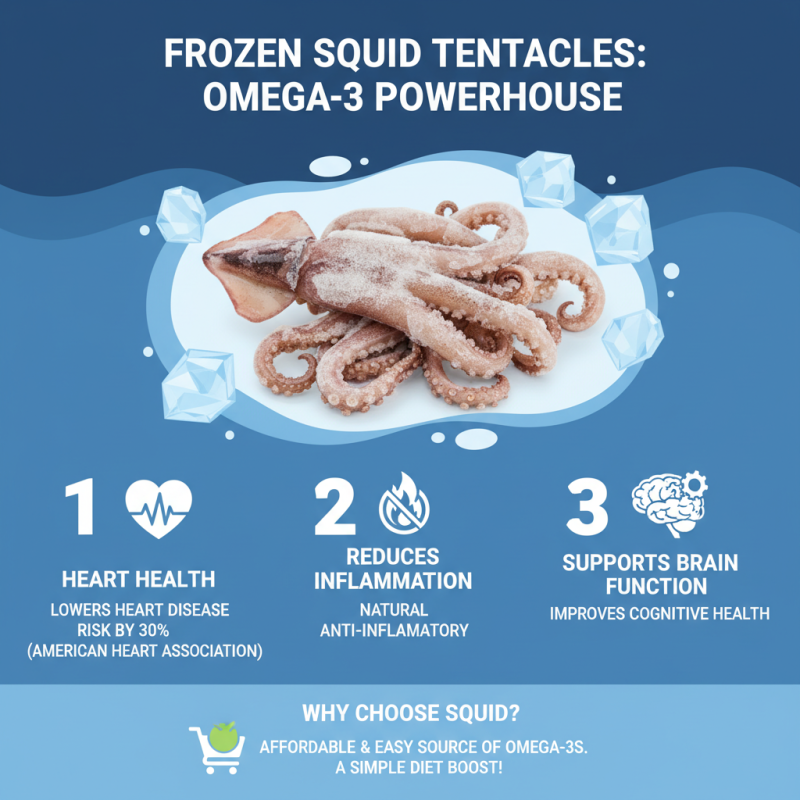
Eating frozen squid tentacles offers impressive health benefits, primarily due to their rich omega-3 fatty acid content. Omega-3s are essential fats that support heart health, reduce inflammation, and improve brain function. Research suggests that regular consumption of omega-3 fatty acids can lower the risk of heart disease by 30% (American Heart Association). Frozen squid can be a simple and affordable way to incorporate these vital nutrients into your diet.
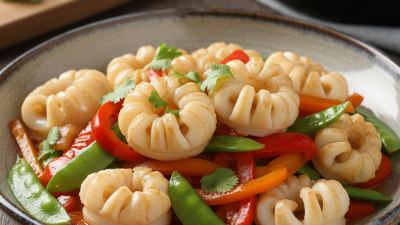
Fresh or frozen, squid tentacles are not only versatile but also nutritious. They are low in calories while providing a good source of protein. Including them in salads, stir-fries, or pasta dishes can enhance the overall nutrient profile of your meals. For those looking to monitor their cholesterol, squid is low in saturated fats, making it a preferable choice over other protein sources.
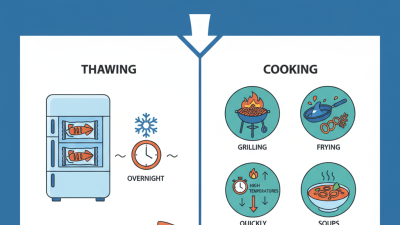
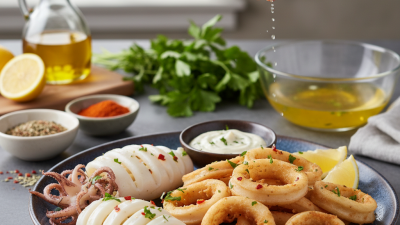
Tips: When cooking frozen squid, thaw it slowly in the refrigerator to maintain texture. Consider pairing it with antioxidant-rich vegetables for a well-rounded dish. Exploring various cooking methods, like grilling or steaming, can elevate flavor without added fats. Remember that maintaining balance in your diet is crucial, and it's not just about adding healthy foods, but also about moderation in portion sizes.
Role of Protein in Muscle Health from Squid Consumption
Frozen squid tentacles are a fantastic source of protein. This nutrient plays a crucial role in muscle health.
Eating protein helps repair and build muscle tissues. When you consume squid, you're enriching your diet with high-quality protein. This can benefit athletes and those looking to improve their fitness levels.
Squid tentacles are also low in calories. This makes them an excellent option for weight management. They provide essential amino acids that support muscle recovery.
However, eating too much protein without balancing it with other nutrients can lead to issues. Moderation is key.
Tips: Incorporate squid tentacles into salads or stir-fries. This enhances flavor and nutrient diversity.
Consider pairing them with whole grains for better energy. Remember, balance is essential in any diet.
Vitamins and Minerals Found in Frozen Squid Tentacles
Frozen squid tentacles are not just a delicacy; they are packed with essential vitamins and minerals. Studies show that they are rich in protein, containing about 15-20 grams per 100 grams. This high protein content supports muscle growth and repair.
In addition, they are low in calories, making them an excellent option for those watching their weight. A 100-gram portion typically contains only around 80 calories. Frozen squid tentacles also offer important minerals such as selenium and zinc, which support immune function and overall health.
Moreover, vitamins like B12 and E are present in significant amounts. Vitamin B12 is vital for nerve function and red blood cell production. Some reports indicate that a serving can cover nearly 50% of the daily requirement for B12. However, be cautious about sourcing. Ensuring the quality of frozen squid is essential. There can be variations in nutrient content based on processing methods.
Potential Benefits for Heart Health from Eating Squid
Frozen squid tentacles are often overlooked in many diets, but they hold significant health benefits, especially for heart health. They are rich in omega-3 fatty acids, which are known to support cardiovascular function. Regular intake of omega-3s can lower blood pressure and reduce the risk of heart disease. This is crucial in today's world, where heart issues are on the rise.
Moreover, squid tentacles are a source of lean protein. Consuming lean protein aids in muscle maintenance while supporting a healthy metabolism. Including squid in meals could provide satiety without excess calories. This could be a more mindful choice when compared to heavier meats or processed options available.
However, moderation is essential. Some may be sensitive to seafood; allergic reactions can occur. Also, excessive consumption might lead to increased sodium intake if not prepared properly. While frozen squid can be a healthy addition, remembering to balance it with other food groups is key. Overall, experimenting with different cooking methods can reveal new flavors while enhancing your meals.
Top 10 Benefits of Eating Frozen Squid Tentacles for Health
| Benefit |
Description |
Nutritional Value per 100g |
| Rich in Protein |
Frozen squid tentacles are an excellent source of high-quality protein. |
92g |
| Low in Calories |
They provide a healthy seafood option with fewer calories. |
92 kcal |
| Omega-3 Fatty Acids |
Good source of omega-3 fatty acids beneficial for heart health. |
0.5g |
| Vitamins and Minerals |
Contains essential vitamins and minerals like B12 and selenium. |
B12: 1.2 µg, Selenium: 44 µg |
| Supports Weight Management |
High protein content helps in weight loss and muscle building. |
N/A |
| Boosts Immune System |
Nutrients help strengthen the immune system. |
N/A |
| Anti-Inflammatory Properties |
Omega-3s have anti-inflammatory effects, promoting better health. |
N/A |
| Heart Health |
Regular consumption may reduce risk of heart-related diseases. |
N/A |
| Versatile Cooking Options |
Can be used in a variety of dishes, from salads to stir-fries. |
N/A |
| Supports Brain Health |
Rich in nutrients that are beneficial for cognitive function. |
N/A |