Inquiry
Form loading...

China Top Frozen Seafood Medley Suppliers for Global Buyers

China has become a major sourcing base for Frozen Seafood Medley products sold to retailers, foodservice companies, and distributors worldwide. Its processing centers connect coastal landings with modern freezing, packing, and export systems. This guide introduces leading Chinese suppliers and the practical details global buyers should examine before placing orders.

A reliable supplier should provide clear species information, product ratios, glaze percentage, size grading, and packing formats. Buyers may request shrimp, squid, mussels, clams, or white fish in tailored combinations. Product samples can reveal texture, color, odor, and thawing loss more clearly than a sales brochure. Cold-chain control matters at every stage, from processing floors to insulated containers.

Look for traceability records, documented hygiene procedures, responsive communication, and suitable third-party certifications. Export experience also helps suppliers manage labeling, customs documents, container scheduling, and destination-market requirements. Yet no supplier is perfect. A factory may offer competitive pricing but limited customization, while another may provide strong quality control with longer lead times. Small details matter. Carton strength, inner-bag sealing, pallet stability, and temperature records can affect the final result.

The suppliers discussed here are evaluated through a buyer-focused lens. Their capabilities, product consistency, communication, and operational transparency deserve careful comparison. Independent audits, trial orders, and laboratory testing remain sensible safeguards. Price alone can mislead. A dependable partnership grows from verified evidence, realistic specifications, and honest discussion about weaknesses.
China Top Frozen Seafood Medley Suppliers for Global Buyers

What Is Frozen Seafood Medley and Why Does It Matter?

China Top Frozen Seafood Medley Suppliers for Global Buyers

A frozen seafood medley is a mixed pack of seafood, commonly including shrimp, squid, mussels, scallops, and white fish. Each component may differ in size, texture, and cooking time. The mixture is usually cleaned, portioned, and frozen individually or together. Individual quick freezing helps preserve separation and makes portion control easier in restaurants and retail kitchens.

This category matters because it combines convenience with supply flexibility. FAO’s The State of World Fisheries and Aquaculture 2024 reported 185 million tonnes of aquatic animal production in 2022. About 89% was used for human consumption. That scale shows why stable processing and cold-chain control are essential. For global buyers, Chinese processors can support custom ratios, calibrated cuts, and export-ready packaging. However, “seafood medley” has no universal recipe. That ambiguity deserves attention.

Reliable purchasing requires more than an attractive product photo. Buyers should review species names, country of harvest, glazing percentage, net weight, allergen controls, and microbiological test results. The FDA’s Fish and Fishery Products Hazards and Controls Guidance identifies temperature abuse, histamine, parasites, and pathogens as important seafood safety concerns. Storage should remain consistently frozen, usually at -18°C or below, unless local specifications require stricter limits. A practical test is simple: cook a sample from one carton. Check bite, drip loss, shell fragments, and uneven pieces. Some mixes look efficient on paper but disappoint in the pan.
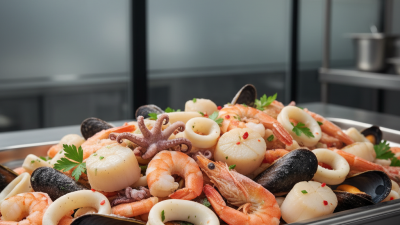
China’s Leading Frozen Seafood Medley Supplier Categories

China’s Leading Frozen Seafood Medley Supplier Categories

China’s frozen seafood medley suppliers usually fall into four practical categories. Integrated processors handle sourcing, cutting, blending, freezing, and export documents. Regional seafood processors often specialize in shrimp, squid, mussels, or white fish. Contract manufacturers produce private-label mixes for supermarkets and foodservice buyers. Smaller specialty packers offer custom ratios, portion sizes, and packaging formats.

The category matters because each supplier manages risk differently. Integrated facilities usually provide stronger traceability and temperature records. Contract manufacturers may offer better recipe flexibility. Buyers should request species lists, harvest areas, allergen controls, glazing percentages, and batch-level test results. A carton should arrive with clear labeling, intact seals, and storage evidence below -18°C. Small details matter.

The FAO’s State of World Fisheries and Aquaculture 2024 reported 185.4 million tonnes of global fisheries and aquaculture production in 2022. That scale increases supply opportunities, but it also makes verification harder. China’s cold-chain infrastructure supports high-volume export handling, yet performance can vary between factories. Not every attractive quotation reflects equal processing discipline. Buyers should compare defect rates, thaw loss, microbiological controls, and loading photographs, rather than relying only on certificates. I have found supplier categories useful, but they are not perfect. A smaller processor may outperform a large facility when supervision is consistent.

China Top Frozen Seafood Medley Suppliers for Global Buyers - China’s Leading Frozen Seafood Medley Supplier Categories

Supplier Category Typical Seafood Components Common Sourcing Regions Typical Product Form Common Buyer Applications Typical Pack Formats Key Purchasing Checks
Mixed Shellfish Medley Shrimp, squid, mussels, clams and scallops Asia-Pacific, South America and Northern Europe, depending on species Raw or cooked; peeled, cleaned and IQF Paella, pasta, seafood rice, hotpot and restaurant entrées Retail bags, foodservice bags and bulk cartons Species ratio, shell fragments, glazing percentage, allergen declaration and cold-chain records
Shrimp and Squid Medley Whiteleg shrimp or other farmed shrimp with squid rings, strips or tentacles Southeast Asia, South Asia and Latin America Raw or cooked; peeled and deveined shrimp with cleaned squid Stir-fries, noodles, ramen, fried rice, tapas and ready meals 500 g to 1 kg retail packs; larger foodservice cartons Shrimp count size, squid cut size, treatment declarations, moisture retention and cooking yield
Mediterranean-Style Seafood Medley Squid, mussels, shrimp, octopus and white fish pieces Mediterranean waters, Atlantic fisheries and Asian processing supply chains IQF pieces, rings, tentacles and shell-on or shell-off components Seafood stew, bouillabaisse, risotto, pasta sauce and grill assortments Consumer pouches and 5–10 kg foodservice cartons Species authenticity, catch or farm origin, cut uniformity, odor and drained weight
Premium Scallop and Shrimp Medley Scallops, shrimp, squid and selected white-fleshed seafood North Pacific, Atlantic waters and major aquaculture regions Individually quick frozen, raw or partially cooked Premium retail meals, banquet catering, fine-dining dishes and specialty stews 250–500 g retail packs and carefully graded foodservice cartons Scallop size grade, glazing, texture after thawing, species documentation and sensory quality
White Fish and Shellfish Medley Cod, pollock, hake or tilapia combined with shrimp, squid or mussels North Atlantic, North Pacific, South America and Asia Boneless fish cubes, fillets or strips with IQF shellfish Chowders, casseroles, fish pies, soups and institutional catering 1 kg retail packs and 5–20 kg commercial cartons Fish species identification, bone control, trim specification, moisture content and portion size
Ready-to-Cook Seasoned Medley Shrimp, squid, mussels or fish with oil, herbs, spices or sauce Ingredients sourced from Asia, Europe and the Americas Marinated, sauced or seasoned IQF seafood portions Air-fryer products, skillet meals, meal kits and convenience food Retail pouches, trays and microwaveable meal packs Ingredient list, additive limits, sodium level, allergen controls, label compliance and heating instructions
Foodservice Bulk Medley Commercial blends selected for consistent portioning and kitchen performance Multiple approved fisheries and aquaculture supply regions IQF bulk components packed in lined cartons or bags Hotels, restaurants, caterers, central kitchens and institutional buyers 5 kg, 10 kg and 20 kg cartons, subject to buyer requirements Case weight, lot traceability, delivery temperature, carton durability, yield and replenishment capacity
Retail Private-Label Medley Buyer-defined combinations of shrimp, squid, mussels, scallops, octopus or fish Origin varies according to species, season, quota and approved supply programs IQF, block frozen, raw, cooked or value-added formats Supermarkets, online grocery, specialty seafood stores and club retail 250 g, 400 g, 500 g, 750 g and 1 kg consumer packs Artwork approval, barcode and label rules, net weight, nutrition panel, shelf life and minimum order quantity
Sustainability-Focused Medley Seafood combinations sourced from verified fisheries or responsible aquaculture programs Certified or audited fisheries and farms in Asia, Europe, North America and Latin America Raw or cooked IQF products with documented chain of custody Sustainable retail lines, institutional procurement and environmentally focused foodservice Retail bags, foodservice cartons and contract-specific packaging Valid certification scope, chain-of-custody records, social compliance, traceability and species-specific claims
General buyer note: Product composition, origin, pack size, certifications, minimum order quantity and shipping conditions should be confirmed against the supplier’s current specification sheet and destination-market regulations.

How to Evaluate Quality, Safety, and Processing Standards

China Top Frozen Seafood Medley Suppliers for Global Buyers
Seafood medley quality begins with species identity, not attractive packaging. FAO’s 2024 State of World Fisheries and Aquaculture reported 185.4 million tonnes of aquatic animal production in 2022. About 89% entered human food channels. This scale makes traceability essential. Buyers should request scientific species names, harvest areas, production dates, and lot-level records. A supplier should also explain whether shrimp, squid, mussels, and fish were processed separately before blending. Clear answers show operational control.
Cold-chain evidence matters more than frozen appearance.
The Codex General Standard for Quick Frozen Foods identifies −18°C as the key storage temperature. Ask for continuous temperature records, loading checks, and container data. Inspect cartons for frost patterns, crushed corners, or thaw-refreeze signs. They are useful clues. Yet visual inspection is not enough. FDA seafood HACCP guidance recommends hazard analysis, sanitation controls, and documented corrective actions. Request recent test results for pathogens, heavy metals, allergens, and species substitution risks. Requirements vary by destination, so the supplier must map controls to the buyer’s market.
Processing details reveal practical experience.
Check cutting uniformity, glaze percentage, net weight, and foreign-material controls. A high glaze can protect texture but reduce the actual seafood delivered. I would compare drained weight from retained samples. My view is imperfect: one audit cannot prove long-term consistency. Buyers should review several production lots, verify calibration records, and arrange independent pre-shipment testing. Good suppliers accept these checks without defensiveness.

Export Capabilities, Certifications, and Global Market Coverage

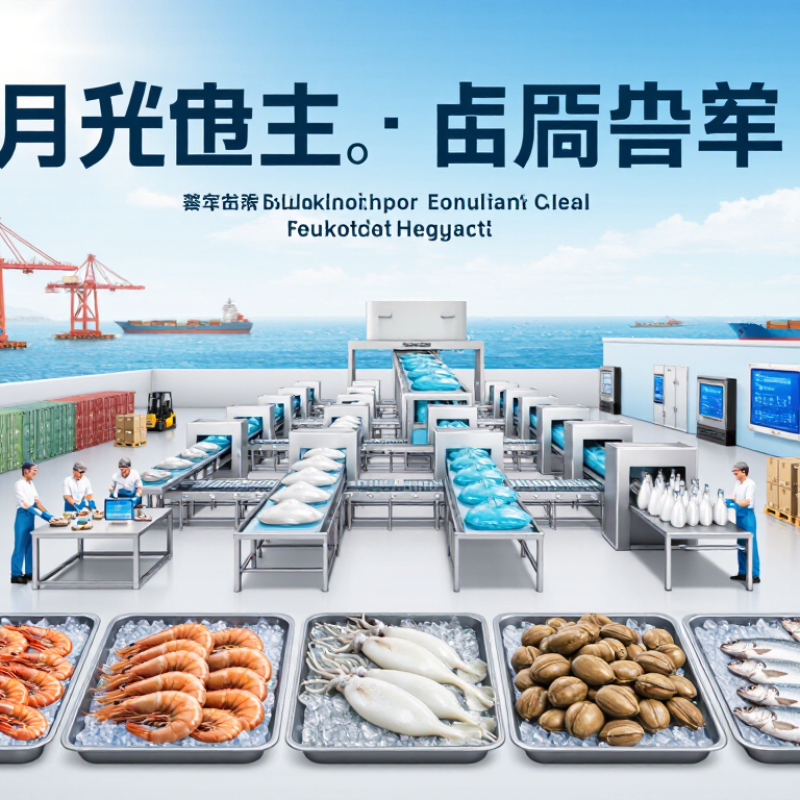
China’s frozen seafood medley suppliers serve importers across Asia, Europe, North America, the Middle East, and Africa. Experienced exporters combine shrimp, squid, mussels, and fish portions according to local demand. They usually manage IQF processing, glazing control, carton packing, and container loading at temperatures near -18°C.

Export reliability depends on documented systems, not attractive product photos.
Qualified facilities may hold HACCP, ISO 22000, BRCGS, or equivalent food safety certifications. Market-specific registrations and approvals must be checked separately. This matters because one certificate rarely covers every destination. Suppliers should provide batch codes, ingredient lists, allergen statements, health certificates, and full traceability records. Good records can identify the processing date, vessel or farm source, and cold-chain handover.

Global coverage also requires practical logistics knowledge.
Established exporters coordinate inspections, customs documents, temperature data, and reefer bookings through major Chinese ports. Some support private-label packaging, mixed cartons, and trial orders for new buyers. Communication can still be uneven. Product names, size grades, and glaze percentages may differ between markets. Buyers should confirm specifications in writing and request samples before signing large contracts. A minor mismatch can affect yield, retail labeling, and customer trust. That lesson is easy to overlook.

Key Factors for Selecting a Reliable Chinese Supplier

China Top Frozen Seafood Medley Suppliers for Global Buyers

Key Factors for Selecting a Reliable Chinese Supplier

Selecting a dependable Chinese frozen seafood medley supplier requires more than comparing prices. Buyers should verify processing experience, product consistency, and export capability. Ask for facility audit reports, food safety certifications, and recent production records. A reliable supplier should explain where each seafood component was sourced and processed.

Request samples from different production batches. Check seafood size, color, glazing, smell, and thawing loss. Small differences matter. Packaging should show batch numbers, production dates, storage temperatures, and clear ingredient information.

Confirm that the supplier maintains a continuous cold chain from factory storage to shipment. Temperature records should be available, not merely promised.

Visit the processing facility when possible. Observe worker hygiene, water management, sorting procedures, and freezer maintenance. Also assess communication speed and document accuracy. A supplier that answers technical questions clearly is easier to manage during customs checks or quality disputes. Written specifications should cover species, proportions, net weight, tolerances, and shelf life.

Do not rely on impressive factory photos alone. They can hide operational weaknesses. I have seen buyers focus heavily on unit price and overlook inconsistent glazing, causing unexpected freight costs. Another common mistake is approving samples without testing a full commercial batch. Independent pre-shipment inspection adds confidence, although it cannot replace regular supplier evaluation. A strong partnership develops through transparent records, realistic claims, and corrective action when problems appear.