Top 10 Frozen Squid Suppliers in China for Global Buyers?
In the global seafood market, frozen squid is gaining significant popularity. Many suppliers in China are stepping up, driven by increasing demand. According to Dr. Mei Chen, a prominent expert in the frozen seafood industry, "The growth of frozen squid sales reflects a broader trend towards convenient and healthy food options." This trend shows the potential for suppliers to thrive.
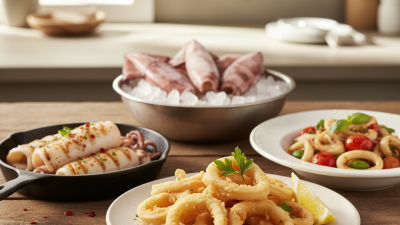
Chinese suppliers offer a range of frozen squid products, including whole squid, rings, and ready-to-cook options. These varieties support diverse culinary applications, appealing to international buyers. The freezing process preserves the squid's texture and flavor, making it a preferred choice for chefs worldwide. However, not all suppliers maintain the same standards of quality and sustainability, which requires careful evaluation.
Buyers must navigate the landscape of frozen squid suppliers. It's crucial to understand their sourcing practices and product consistency. Some suppliers excel, while others may cut corners. Thorough research and expertise will lead buyers to trustworthy partners in this expanding marketplace. The frozen squid industry reflects both opportunity and caution.
Overview of the Frozen Squid Market in China
The frozen squid market in China has seen remarkable growth over recent years. With increasing global demand, China has positioned itself as a key supplier. Many buyers are drawn to the diverse species available and the competitive pricing. The country's vast coastline provides abundant resources for harvesting squid. However, quality can vary significantly among suppliers, which is a critical consideration for international buyers.
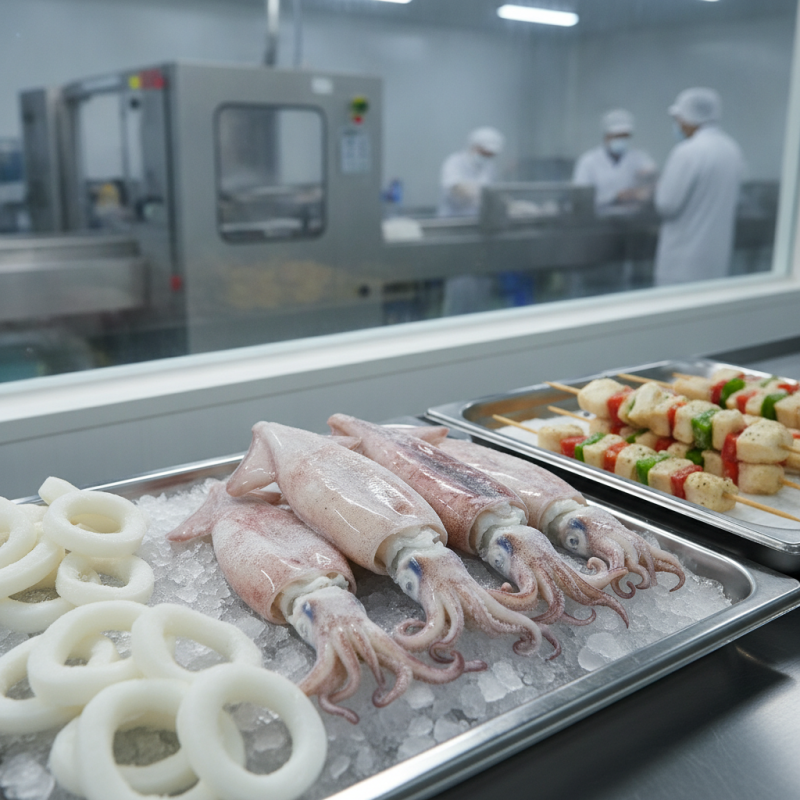
The processing standards in China's frozen squid sector are also noteworthy. Many factories comply with international health and safety regulations. Quality control measures are often implemented, yet inconsistency remains an issue. Buyers should conduct thorough due diligence and not rely solely on certifications. It’s essential to visit processing facilities or build relationships with suppliers. Some operations may lack transparency, leading to potential risks. Ultimately, collaborating with trustworthy suppliers is crucial to ensure consistent product quality and safe sourcing.
Frozen Squid Export Volume from China (2022)
Key Factors to Consider When Selecting Suppliers
When selecting frozen squid suppliers in China, buyers should focus on several key factors. The quality of the product is paramount. According to the Global Seafood Alliance, about 30% of seafood imports face quality issues. Implementing strict quality control measures and obtaining relevant certifications can mitigate this risk. Ensure the supplier follows Hazard Analysis and Critical Control Point (HACCP) standards for safety.
Another important factor is reliability. A supplier’s track record matters. Recent industry reports show that businesses with consistent delivery records gain a competitive edge. Evaluate their logistics capabilities and responsiveness to inquiries. It’s essential to assess their capacity to meet bulk orders as well. A dependable supplier can maintain their supply chain flow, even during peak seasons.
Transparent communication is crucial as well. Buyers should not overlook the importance of open dialogue regarding pricing and terms. Research indicates that 40% of supplier disputes stem from misunderstandings. Detailed contracts that outline expectations can help avoid future conflicts. Lastly, consider the supplier’s market presence. A well-established supplier often has better relationships and resources at their disposal. This can lead to better procurement options and enhanced confidence in your supply chain.
Top 10 Frozen Squid Suppliers in China
When sourcing frozen squid, China stands out for its quality and variety. Numerous suppliers deliver fresh products that meet international standards. These companies focus on sustainable fishing practices, ensuring a reliable supply chain. Many suppliers emphasize quality control, conducting rigorous tests to maintain freshness. This attention to detail builds credibility among global buyers.
However, potential buyers should approach the market thoughtfully. They may encounter varying degrees of quality and service. Not all suppliers provide the same level of transparency regarding their sourcing methods. Engaging with several suppliers is essential. Each can offer unique insights into their operations. Understanding local regulations and market fluctuations can also be tricky. Buyers must be diligent in their research.
Building a relationship with suppliers can enhance trust. Frequent communication and feedback can lead to better product consistency. Buyers should also be open to revisiting their choices. Assessing supplier performance periodically ensures that standards remain high. This adaptable approach can foster a more fruitful partnership in the long run.
Top 10 Frozen Squid Suppliers in China for Global Buyers
| Supplier Rank |
Annual Export Volume (tons) |
Main Export Markets |
Quality Certification |
Average Price (USD/kg) |
| 1 |
1500 |
Japan, South Korea, USA |
ISO 22000 |
8.50 |
| 2 |
1200 |
Europe, Middle East |
HACCP |
9.00 |
| 3 |
1000 |
Australia, Canada |
BRC |
8.75 |
| 4 |
800 |
Southeast Asia, Russia |
ISO 9001 |
8.30 |
| 5 |
650 |
South Africa, Brazil |
FSSC 22000 |
9.20 |
| 6 |
500 |
USA, UAE |
ISO 14001 |
8.15 |
| 7 |
400 |
Mexico, Colombia |
IFS |
9.10 |
| 8 |
300 |
India, Philippines |
SQF |
8.70 |
| 9 |
250 |
Vietnam, Thailand |
ISO 45001 |
8.90 |
| 10 |
200 |
Singapore, Malaysia |
Halal |
8.50 |
Evaluating Quality and Pricing of Frozen Squid
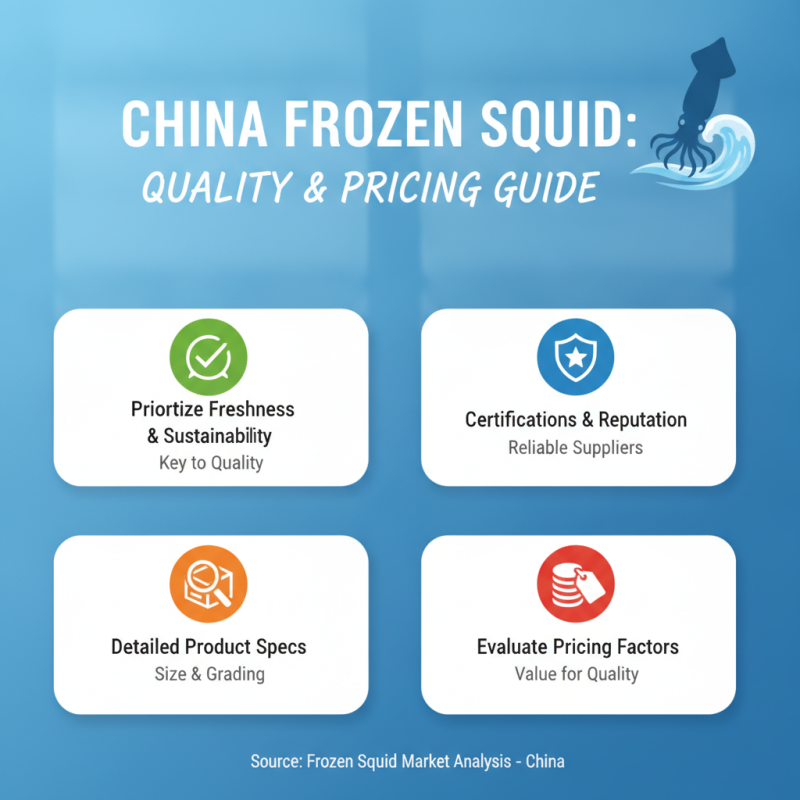
When exploring the frozen squid market in China, quality and pricing are paramount. Buyers should focus on suppliers that prioritize freshness and sustainability. The quality of frozen squid can vary significantly. Look for suppliers with proper certifications and a solid reputation in the industry. Reliable suppliers usually provide detailed product specifications that clarify the size and grading of the squid.
Tips: Consider visiting suppliers personally or use video calls. This helps understand their processes better. Inspect their facilities if possible, as a clean environment indicates better handling of seafood.
Pricing is influenced by multiple factors, including the source of the squid and processing methods. Bargaining can lead to better deals, but be cautious. It’s essential to balance cost and quality. Sometimes, the cheapest option might compromise freshness.
Tips: Research market rates before purchasing. This knowledge aids in negotiating better prices. Don't hesitate to ask for samples; testing the product before bulk orders is always smart.
Logistics and Export Considerations for Global Buyers
When considering logistics for importing frozen squid from China, several vital factors come into play. Proper temperature control is paramount. The squid must be kept at a consistent temperature of -18°C or lower throughout the supply chain to maintain freshness. A report by the Food and Agriculture Organization indicates that proper handling can reduce spoilage by up to 30%.
Documentation and compliance with export regulations are equally important. Buyers must ensure that all customs documentation is in order. Certificates of origin and health certificates are often required. Inadequate documentation can lead to delays and increased costs. A logistical hiccup can derail an entire shipment, so advance planning is critical.
**Tip:** Collaborate with suppliers who have a solid track record in dealing with international logistics. Their experience can streamline the process and mitigate potential risks.
**Tip:** Always stay updated on international trade policies. Changes can impact shipping costs and import restrictions significantly. Regularly reviewing these policies ensures informed decision-making.
Engaging with reliable logistics partners can make or break your import process. Building strong relationships is vital. This ensures smooth transitions and effective communication during the shipping process.