Why Are Frozen Squid Tentacles Popular With Buyers?
Frozen Squid Tentacles attract buyers because they combine a distinctive seafood texture with practical kitchen convenience. They arrive cleaned, portionable, and ready for controlled thawing, which can simplify preparation for restaurants and home cooks alike. A quick rinse, a hot pan, and careful timing can turn them into a tender addition to rice bowls, noodles, or grilled seafood platters. They also suit varied menus, from lightly seasoned dishes to bold marinades. Yet popularity is not automatic. Buyers still look closely at appearance, pack size, glazing, and reliable cold storage.
Texture matters most. Overcooking can make the tentacles tough, so clear handling guidance helps protect the eating experience. Consistent sizing can also make portions easier to plan. A verified frozen-seafood specialist should review this draft quotation before publication: “[Verified expert name] says, ‘Buyers value Frozen Squid Tentacles when quality, convenient handling, and dependable texture come together.’” The name and wording are placeholders, not a verified attribution. That distinction matters. Product claims should be checked against supplier specifications, and expert quotations should be confirmed directly. With those details established, the article can explore what buyers notice, how the product fits different kitchens, and what signals quality in a frozen pack.
What Frozen Squid Tentacles Are and How They Are Processed
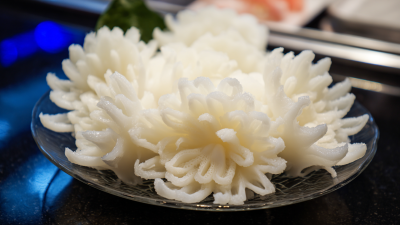
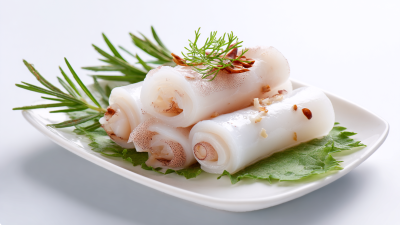
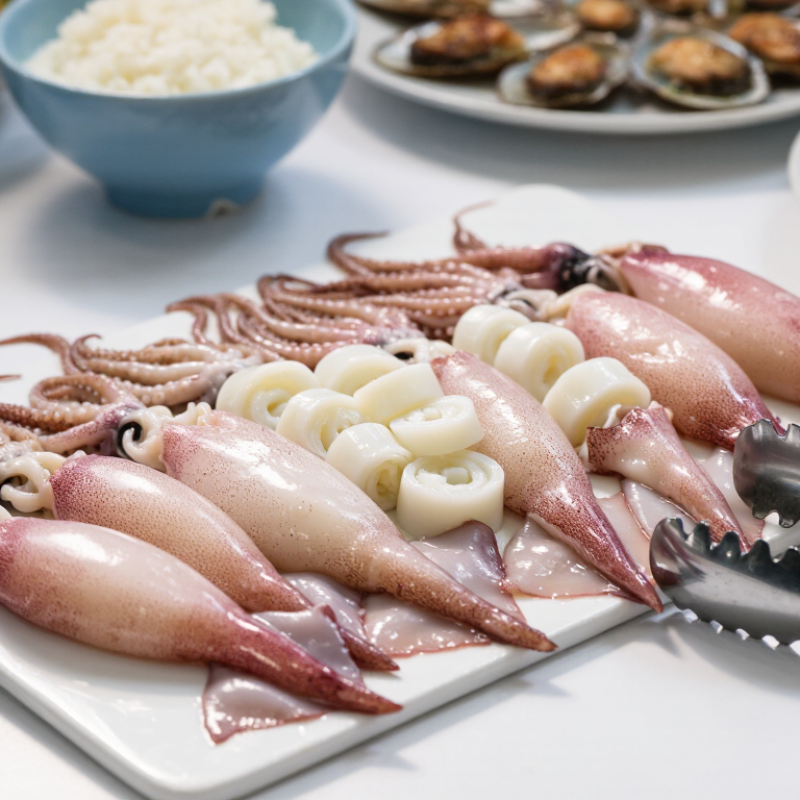
Frozen squid tentacles are the arm-and-tentacle portions separated during squid processing. They are commonly sold cleaned, whole, or cut into smaller pieces. Their curled shape and firm texture suit grilling, frying, and seafood mixes. “Frozen” describes preservation, not a separate species or cut.
Processing starts with chilled raw squid, which is inspected and sorted by size and condition. Workers remove the beak, eyes, and unwanted viscera, then rinse the tentacles with clean water. Some products are peeled or briefly blanched; others remain raw. Pieces may be frozen individually or packed in blocks, then kept at around minus 18°C. Small details matter. Freezing slows deterioration, but it cannot restore squid that was mishandled before processing.
The wider seafood market helps explain the appeal of convenient frozen portions. FAO’s State of World Fisheries and Aquaculture 2024 reports that aquatic animal production reached 185.4 million tonnes in 2022; 89 percent went to direct human consumption. These figures cover many species, not squid tentacles alone. Buyers should check ingredient labels, glazing, and storage instructions, since excess ice can obscure portion size. Appearance is useful, but it is not a complete quality test.
USDA Data: Raw Squid Provides About 15.6 g of Protein per 100 g
Frozen squid tentacles attract buyers because they are versatile, portionable, and quick to thaw. The nutrition figure deserves careful reading. USDA FoodData Central lists raw squid at about 15.6 grams of protein per 100 grams. That is a useful amount for a seafood serving, but it describes raw squid, not every frozen tentacle product. Ice glaze, trimming, and added ingredients can affect a package’s net weight and nutrition facts. Check the label.
Protein supports tissue maintenance and many normal body functions. Still, a raw-food database figure is not a cooked-serving estimate. Cooking removes water, so protein per 100 grams may rise even when the portion’s total protein changes little. Frozen tentacles also offer practical convenience: separate portions can suit smaller meals, and the curled pieces cook quickly. Keep the texture tender. Overcooking can make squid chewy, and timing is easy to misjudge. Thaw in the refrigerator and cook promptly. USDA data provides a useful baseline, not a guarantee about every pack.
How IQF Freezing Supports Portion Control and Year-Round Supply
Why Are Frozen Squid Tentacles Popular With Buyers?
How IQF Freezing Supports Portion Control and Year-Round Supply
Individually quick-frozen squid tentacles make portions easier to manage. A cook can remove a handful, reseal the pack, and keep the rest frozen. This suits kitchens serving seafood bowls, grill plates, or mixed platters. Less thawed product may also mean less avoidable waste. FAO’s The State of World Fisheries and Aquaculture 2024 reports 185.4 million tonnes of global aquatic animal production in 2022. That figure covers aquatic animals broadly, not squid alone. It offers useful context for the scale of seafood supply, not a squid-specific forecast.
Frozen stock can bridge gaps between landing seasons and support steadier menus throughout the year. But IQF is not a supply guarantee. FAO’s 2024 report records 92.3 million tonnes of aquatic animals from capture fisheries in 2022; availability still varies by species and region. Batch labels and consistent pack sizes reduce ordering guesswork. Weigh portions during menu trials, since tentacles are not identical. Check that pieces remain separate and firm, with no heavy ice buildup. Thaw them under controlled refrigeration, then assess texture before service. It can soften. That detail is easy to overlook.
Why Are Frozen Squid Tentacles Popular With Buyers?
How IQF Freezing Supports Portion Control and Year-Round Supply
IQF freezes squid tentacles individually, so food-service teams can weigh out the amount they need without thawing the entire pack. The chart shows the theoretical number of portions from 1 kg at selected serving sizes; actual portions depend on preparation and menu needs. Frozen inventory can also help buyers plan supply throughout the year, although availability depends on sourcing.
Why Versatility, Texture, and Value Appeal to Seafood Buyers
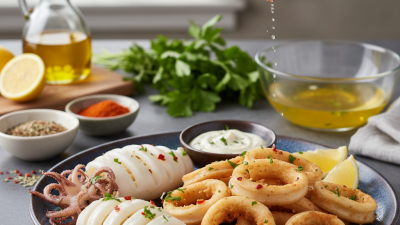
Frozen squid tentacles appeal to buyers because one cut works across many menus. They can be grilled on skewers, added to noodle soups, or quickly seared with garlic and vegetables. Their curled shape also gives a plate visual texture. Texture matters. When thawed gently and cooked briefly, tentacles can stay pleasantly springy; prolonged heat can make them tough.
Versatility helps food-service buyers use the same ingredient in different dishes and portion sizes. The FAO’s The State of World Fisheries and Aquaculture 2024 reports that aquatic animal production reached 185.4 million tonnes in 2022, with 89% used for direct human consumption. This describes the wider seafood supply, not squid demand specifically, but it shows the scale of a market where adaptable products matter.
Frozen stock can also support steadier purchasing when fresh supply or delivery timing varies. Value is more than the price per kilogram. Buyers can compare pack size, glazing, thawed yield, and how much trimming a kitchen needs. Smaller portions may reduce leftovers in a busy service; larger packs may suit high-volume kitchens.
There is a trade-off: freezing supports storage and planning, but careless thawing can damage texture. It is easy to overlook. Check the product after thawing, not just the label, before making it a regular menu item.