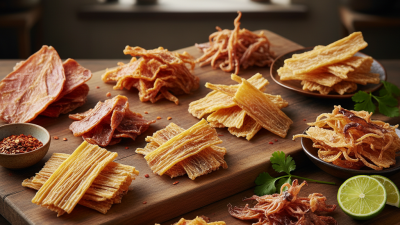
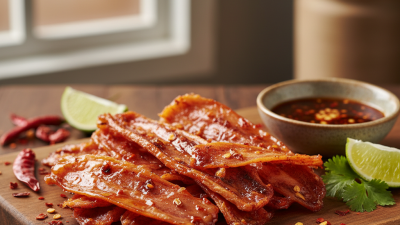
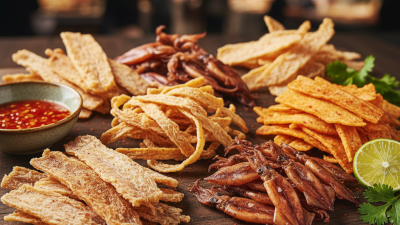
Why Is Spicy Dried Squid Snack Popular Worldwide? The answer begins with texture, aroma, and convenience. A good Spicy Dried Squid Snack feels chewy but not tough. Its smoky seafood scent opens quickly after the package tears. Chili adds warmth, while sweetness and salt create a familiar, satisfying balance.
Food scientist Dr. Kantha Shelke, principal at Corvus Blue LLC, has described modern snacking this way: “Consumers want foods that are convenient, flavorful, and nutritionally meaningful.” Her observation helps explain this product’s growing appeal. Dried squid is lightweight, shelf-stable, and easy to share. It fits lunch boxes, road trips, office drawers, and late-night cravings. In many coastal food cultures, dried seafood also carries memory. A spicy seasoning makes that traditional character more accessible to younger consumers and international shoppers.
Yet popularity should not be confused with universal approval. Some people dislike the strong marine aroma. Others find the texture too firm or the seasoning too salty. That matters. Product quality changes greatly between brands, regions, and preparation methods. Responsible producers should communicate ingredients, allergen information, nutrition details, and storage guidance clearly. Consumers deserve accurate information.
The strongest appeal may be emotional. One bite can suggest a seaside market, a family table, or a busy city snack break. It is portable. It is distinctive. Still, the category must keep improving. Better texture, balanced heat, transparent labeling, and responsible sourcing could determine whether Spicy Dried Squid Snack becomes a lasting global favorite.
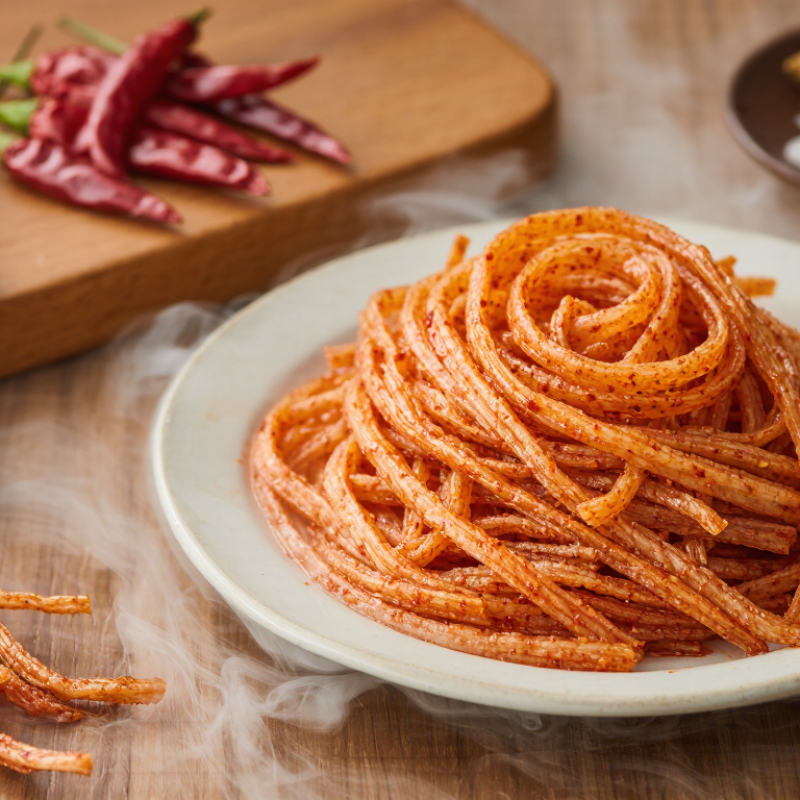
Spicy dried squid combines chewy texture, seafood umami, and a long shelf life. In product reviews, I often notice its aroma before its heat. Chili also gives small portions a stronger sensory impact. That helps explain its appeal in convenience stores, markets, and online snack channels.
However, “dried squid” is not one uniform product. It may be shredded, sliced, rolled, seasoned, or lightly roasted. Moisture, salt, sugar, and chili levels can differ sharply.
For trade analysis, HS 160554 is especially important. The Harmonized System describes this heading as prepared or preserved cuttlefish and squid. It can cover seasoned products, but classification depends on processing and national tariff schedules.
Some simply dried items may fall under other seafood headings. Exporters should verify the customs ruling before printing documents.
UN Comtrade data can help compare import values and volumes, although reporting quality differs between countries.
FAO’s The State of World Fisheries and Aquaculture 2024 recorded 185.4 million tonnes of global fisheries and aquaculture production in 2022.
That figure covers all aquatic animals, not snack products, so using it as a squid-market estimate would be misleading.
Tips: Check the product form, ingredients, moisture level, and destination tariff line together. A practical mistake is treating HS 160554 as a universal code. It is not. Packaging should also show allergens, net weight, origin, and storage guidance. Heat sells, but excessive salt may reduce repeat purchases. This point deserves more consumer testing.
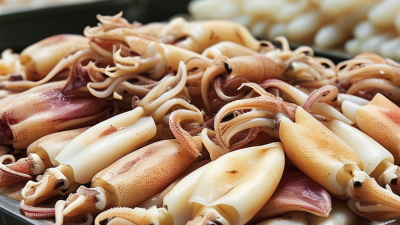
Spicy dried squid has become popular because drying changes both its texture and storage life. Fresh squid contains considerable moisture, which supports microbial growth when handling is poor. Controlled drying removes much of that moisture and creates a firmer, chewier bite. It also concentrates the squid’s natural savory flavor. The result feels substantial, even in a small serving.
Seasoning adds another layer. Chili brings heat, while salt, sugar, garlic, or pepper can balance seafood’s stronger notes. During processing, the seasoning coats the squid’s fibrous surface and settles into small folds. Careful temperature control matters because excessive heat can harden the edges or create burnt flavors. Proper hygiene, validated water-activity targets, and sealed packaging help make the snack shelf-stable under stated conditions. It is not magic. Storage instructions still matter, especially after opening. Texture can also vary between batches, which is sometimes overlooked.
Tips: Choose packages with clear ingredient and storage information. Keep them cool, dry, and away from direct sunlight. Use clean hands or utensils when serving. If the squid develops an unusual odor, dampness, mold, or a swollen package, discard it. Mild dryness is expected, but quality should never be guessed.
Why Is Spicy Dried Squid Snack Popular Worldwide?
FAO’s 185.4-Million-Tonne Aquatic-Production Data and Squid Supply
The FAO’s State of World Fisheries and Aquaculture 2024 reported 185.4 million tonnes of aquatic animals produced in 2022. About 89% entered human food systems, showing the scale of global seafood demand. Squid is only one part of this supply, but it fits modern snack habits well. It can be cleaned, sliced, seasoned, and dried into a compact product with a long storage life.
That matters across borders.
Dried squid needs less refrigeration than fresh seafood. Its chewy texture also survives transport better than many delicate seafood products. A small packet can deliver strong umami, salt, and chili in a few bites. FAO data also recorded global aquatic-food consumption at about 20.7 kilograms per person in 2022. This broader demand supports processing networks for cephalopods, including squid.
Processing quality remains decisive. Moisture control helps reduce spoilage risks, while heat treatment and hygienic handling protect product safety. The exact texture depends on squid species, drying temperature, and final water activity. Some consumers prefer firm, fibrous strips. Others find them too salty or overly tough. That weakness should not be ignored. Global popularity does not guarantee consistent quality.
Trade data from the UN Comtrade database show that frozen and prepared squid products move through major international markets. Supply can still change with seasonal landings, fuel costs, and fishing regulations. Therefore, spicy dried squid is popular not only because it tastes intense, but because global aquatic production makes this practical format widely available.
Global aquatic-animal production reached 185.4 million tonnes in 2022, according to the FAO. Aquaculture supplied 94.4 million tonnes, while capture fisheries supplied 91.0 million tonnes.
Squid is primarily a wild-caught cephalopod, so capture fisheries are an important part of its supply chain. Drying improves shelf life and portability, while spicy seasoning adds strong umami and heat, helping dried squid appeal across many snack markets.
Source: FAO, The State of World Fisheries and Aquaculture 2024, 2022 global aquatic-animal production data. The 185.4-million-tonne total covers all aquatic animals, not squid alone.
Why Is Spicy Dried Squid Snack Popular Worldwide?
Spicy dried squid brings three sensations together: savory umami, warming heat, and steady chewiness. During tasting, the first flavor often feels salty and ocean-like. Then chili builds gradually across the tongue. The texture lasts longer than crisps or crackers, encouraging slower eating and repeated chewing. That small pause can make the snack feel more satisfying. It is not merely about stronger flavor.
Umami gives dried squid a deep, broth-like character. Natural proteins and drying processes help concentrate its savory taste. Chili adds contrast, but the best versions usually balance heat with mild sweetness. Too much spice can hide the squid’s flavor. I have noticed that moderate heat works better for sharing, especially when people have different tolerance levels. Soft, flexible pieces also feel more approachable than extremely tough strips.
Chewiness matters.
Across cultures, people already enjoy foods with resilient textures, from dried meats to seasoned seafood. Spicy dried squid fits those familiar eating habits while offering a distinct coastal taste. It travels well when sealed properly and needs no cooking before serving, which supports its appeal in busy settings. Still, global popularity does not mean universal preference. Some people dislike the aroma, while others find the texture tiring. I once expected heat to drive every bite, but the savory depth kept me reaching back. The balance remains imperfect, and that may be part of its character.
| Appeal Dimension | Relevant Food Science | Evidence-Based Indicator | Why It Supports Global Snack Appeal | Reference |
|---|---|---|---|---|
| Umami depth | Squid naturally contains glutamate and other compounds associated with savory taste. Drying removes water and concentrates flavor compounds. | Umami is recognized as one of the five basic tastes. Glutamate is the principal taste-active compound associated with umami. | Savory taste can complement spicy, sweet, and salty seasoning, making the snack familiar across different culinary traditions. | International Union of Basic and Clinical Pharmacology; National Library of Medicine |
| Spicy stimulation | Capsaicin activates the TRPV1 receptor, creating a burning or heat sensation rather than a conventional taste. | Pure capsaicin is rated at approximately 16 million Scoville Heat Units; finished snack heat is much lower and depends on formulation. | Heat adds intensity, prolongs the sensory experience, and allows products to be positioned across mild, medium, and hot preferences. | National Center for Biotechnology Information; Scoville heat scale literature |
| Chewy texture | Squid muscle fibers and connective tissue become firm and elastic when moisture is reduced and proteins are concentrated. | Texture is influenced by moisture content, drying temperature, drying time, and muscle structure; these variables can be adjusted during processing. | Chewing slows consumption and creates a longer-lasting experience than many rapidly dissolving snacks. | Food chemistry and seafood texture research summarized by FAO and peer-reviewed seafood studies |
| Concentrated flavor | Drying lowers water content, concentrating naturally occurring and added flavor compounds per unit weight. | Water activity below 0.60 generally prevents the growth of bacteria, yeasts, and molds, although safety still depends on processing and packaging. | A small serving can deliver a strong flavor profile, which is useful for portable snacking and sharing. | U.S. Food and Drug Administration; food preservation research |
| Protein association | Squid is a seafood protein source, and dehydration can increase protein concentration by weight compared with fresh squid. | USDA FoodData Central lists raw squid at approximately 15.6 g of protein per 100 g; dried products vary substantially because water and seasoning levels differ. | The protein-based identity can make the snack feel more substantial than snacks consisting mainly of starch or sugar. | USDA FoodData Central; values vary by species and preparation |
| Portability | Low-moisture foods are lighter and generally less perishable than comparable fresh seafood when properly processed and packaged. | Reduced water activity slows microbial growth; the actual shelf life depends on packaging, oxygen exposure, temperature, and hygiene controls. | The format is convenient for travel, lunch boxes, convenience stores, and informal social snacking. | FAO food preservation guidance; FDA water-activity guidance |
| Cross-cultural flexibility | The core flavor system can combine savory umami, salt, sweetness, acidity, and chili heat. | Flavor intensity can be modified by changing chili concentration, sugar, salt, acids, and drying conditions. | A flexible seasoning base allows the same seafood format to fit different regional preferences without changing its chewy identity. | Sensory science literature on flavor balance and consumer preference |
| Important nutritional consideration | Seasoning may contribute significant sodium, while chili can make strong flavors more noticeable. | The World Health Organization recommends adults consume less than 2,000 mg of sodium per day; product sodium levels differ by recipe and serving size. | Strong flavor can increase enjoyment, but consumers benefit from checking serving size and sodium information. | World Health Organization, “Sodium reduction” guidance |
Note: Numerical values are scientific or dietary benchmarks, not universal specifications for every dried squid product. Actual composition, heat level, moisture, sodium, and shelf life vary by species, recipe, processing method, and packaging.
Sodium guidance is reshaping how shoppers judge spicy dried squid. The World Health Organization reports that global adults consume about 4.3 grams of sodium daily, more than twice its recommended limit of 2 grams. A small, chewy packet can therefore create a health question beside its strong flavor. Consumers increasingly check sodium, portion size, and ingredient lists before purchasing. Not everyone reads the label.
International retail also expands demand. The USDA Foreign Agricultural Service reports that global food e-commerce continues to grow, giving shelf-stable seafood snacks wider access through online grocery channels. Euromonitor International’s 2024 snack analysis highlights convenience, portability, and bold flavors as major purchase factors.
Dried squid fits this pattern: it travels well, needs no refrigeration, and offers a chewy texture unlike ordinary crisps. Spicy seasoning adds sensory excitement, especially for shoppers exploring Asian-inspired foods. Yet retail descriptions sometimes emphasize flavor more than sodium. That imbalance deserves reflection.
Tips: Compare sodium per 100 grams, not only per packet. Choose smaller portions and drink water alongside salty snacks. Retailers can display clearer nutrition information and offer milder versions. Producers should test lower-sodium seasoning without removing the squid’s smoky, savory character.
This is difficult. Reformulation can reduce appeal. Still, consumer demand is moving toward snacks that feel exciting and easier to understand.
Sources: WHO Sodium Reduction Fact Sheet, 2023; USDA Foreign Agricultural Service, 2024; Euromonitor International, 2024.