Inquiry
Form loading...

Best Frozen Squid Flower for Global Buyers in 2026?

For global buyers in 2026, choosing the best Frozen Squid Flower means looking beyond appearance. A neat, open cut catches the eye, but reliable quality starts with fresh raw squid, skilled processing, and a steady cold chain. Check whether pieces hold their shape after thawing. Look for clear product specifications, consistent sizing, and packaging that protects against freezer burn. Small details matter. A torn fin or excess ice can reveal handling problems, though neither tells the whole story.

One useful purchasing principle is: “Judge the flower by its thawed texture, not only its frozen display.” This is an editorial buyer’s guideline, not a verified quotation from a named industry expert. A real expert quote should be confirmed with its source before publication. That distinction matters; trust should not depend on an invented endorsement.

This guide will compare the practical factors global buyers can assess: cut definition, color, glaze, storage conditions, documentation, and supplier communication. Ask for product photos and specifications, then verify how the squid looks and cooks after thawing. A firm, moist texture and clean aroma are useful signs, but results can vary by species, processing method, and storage history. No single image can prove consistency. Even a polished sample may not represent every shipment. Buyers should treat claims carefully, request representative samples, and record what works. The best choice is not always the most elaborate flower; it is the product that matches the buyer’s needs and performs reliably.
Best Frozen Squid Flower for Global Buyers in 2026?

What Frozen Squid Flower Is and How It Is Prepared

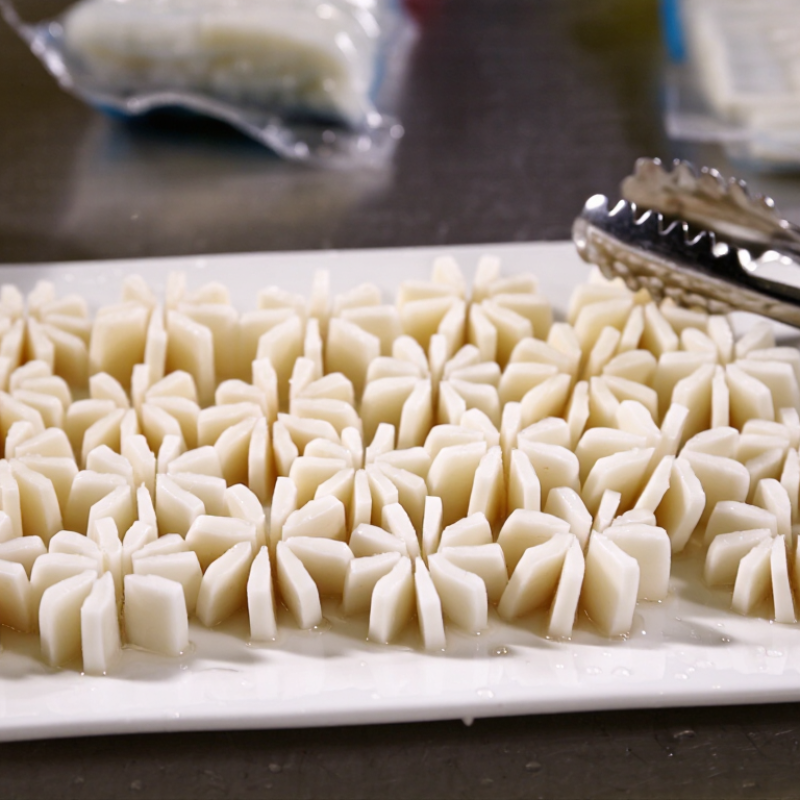
Frozen squid flower is squid mantle cut with shallow, intersecting scores that open into petal-like shapes during cooking. The cuts are decorative, but they also help heat reach the thicker flesh more evenly. The pattern is never perfectly uniform. That is normal.

Preparation begins with cleaning and trimming the mantle, followed by careful scoring and portioning. Processors may blanch the pieces before freezing, while other products are frozen raw; the package specification should clarify which type you have. Rapid freezing helps preserve the shape and texture, though small differences in cut depth can affect how the pieces curl. On a commercial line, consistent scoring takes practice, not just a sharp blade.

For kitchen use, thaw the squid under refrigeration when time allows, then drain it well before cooking. Excess surface water can dilute sauces and slow browning. Cook briefly over high heat, or add it near the end of a soup or stir-fry. Overcooking makes squid firm and chewy. It happens fast. Buyers comparing frozen squid flower can check the ingredient label, glazing, cut size, and storage instructions; appearance alone does not reveal every detail.
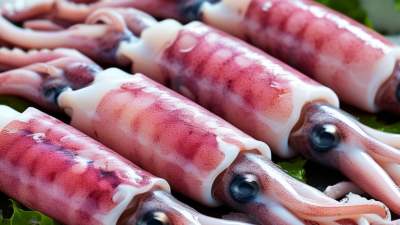

Common Product Types, Sizes, and Processing Methods

Frozen squid flower usually comes from cleaned squid mantle. The mantle is opened, then cross-scored so it curls into a flower during cooking. It may be sold plain, skinless, or with tentacles packed separately. Processing varies by supplier. Some offer individually quick-frozen pieces; others use block freezing. Ask which format is supplied.

Size may be listed by piece weight, pieces per kilogram, or a count range. These measures are not interchangeable. For a catering kitchen, consistent pieces can help control portions and cooking time. Smaller cuts suit stir-fries; larger flowers make a more visible plate presentation. Check whether the stated weight is net weight, and ask how any ice glaze is accounted for. Small differences matter.

Processing details affect both appearance and yield. Confirm whether the squid is raw or blanched, and whether skin and cartilage have been removed. Request a product specification showing species, size basis, glazing, and storage temperature. Photos of a thawed sample can reveal uneven scoring or excess breakage, though one sample cannot represent every shipment. Cooking yield can also vary with thawing and heat. The cut is not always uniform. That deserves a closer check.

How to Evaluate Quality, Food Safety, and Cold-Chain Integrity

Best Frozen Squid Flower for Global Buyers in 2026?
How to Evaluate Quality, Food Safety, and Cold-Chain Integrity

A reliable squid flower should look evenly cut, with petals that remain distinct rather than crushed together. Check the package for clear labeling, a consistent size range, and minimal excess ice. A little frost is normal, but thick ice can hide dehydration or temperature changes. Appearance can mislead.

Food safety needs more than a clean-looking product. Review processing details, lot identification, production dates, and applicable test records. Ask how the squid was handled before freezing and whether the facility monitors hygiene and foreign-material risks. Paperwork matters. Compare documents with the actual carton labels, and investigate any mismatch before accepting delivery.

Cold-chain records help show whether the product stayed frozen during storage and transport. Request temperature logs for the shipment, then inspect cartons for damage, softened edges, or signs of refreezing. If possible, thaw a representative sample under controlled refrigeration and assess its smell, texture, and water loss. Do not rely on one sample alone. These checks cannot prove every batch is perfect, and buyers may overlook small inconsistencies when schedules are tight. A careful receiving routine, repeated shipment after shipment, offers better evidence than a polished specification sheet.

Best Frozen Squid Flower for Global Buyers in 2026?

Cold-chain temperature benchmark for evaluating frozen squid flower across storage, shipment, and receipt.

The reference benchmark is to keep quick-frozen product at −18 °C or colder. Check calibrated product-temperature readings and cold-chain records at each handoff; also inspect squid-flower shape, color, packaging, lot traceability, and applicable food-safety documentation. This chart shows a benchmark, not supplier test results. Confirm destination-market requirements.

Global Sourcing Factors: Certifications, Packaging, and Logistics

Best Frozen Squid Flower for Global Buyers in 2026?

For frozen squid flower, sourcing confidence starts with traceable batches and verifiable food-safety controls. Check that the supplier’s HACCP-based system or food-safety certification covers the actual processing site and product. Verify certificate scope, validity, and lot records. A certificate alone cannot show how carefully each batch was handled. Small details matter. FAO’s The State of World Fisheries and Aquaculture 2024 reports that 38% of aquatic animal production was traded internationally in 2022, highlighting the importance of dependable export documentation.

Packaging should protect the squid’s shape and limit dehydration during storage. Request food-contact packaging specifications, clear net weight and glazing details, lot codes, and storage instructions. Before shipment, agree on carton dimensions, pallet configuration, and reefer temperature monitoring. Codex’s Standard for Quick Frozen Foods sets -18°C or colder as the storage benchmark. Ask for loading-temperature records and a plan for delays; a tidy specification cannot prevent every port hold.

Tip: Request recent product and carton photos, then compare them with a received sample. Check for broken petals, excess ice, and damaged seals. Keep one question open: does the quoted price include the packaging and cold-chain controls your route actually needs?

How Buyers Can Compare Suppliers and Select a Product in 2026

Global buyers comparing frozen squid flower suppliers in 2026 should request the same product specifications from each candidate. Confirm squid species, harvest origin, processing date, size range, net weight, and declared glaze percentage. Ask how the flower cuts are formed and whether pieces are graded consistently. Details matter.

A catalogue image cannot show how the product performs after thawing. Request a representative sample and check cut definition, color, odor, texture, and drip loss using consistent thawing conditions. Record the usable yield, not just the carton weight. This comparison takes time, and one sample may not represent every production lot.

Review traceability documents, lot coding, packaging integrity, and temperature records. Ask whether the supplier can maintain frozen conditions of -18°C or colder through storage and shipment, and clarify who monitors any temperature deviations. Compare delivery lead times, minimum order quantities, and responses to quality complaints. A low quote may hide different glaze levels or pack sizes. I would still leave room for doubt: paperwork and samples reduce uncertainty, but they cannot guarantee every shipment will match.

Best Frozen Squid Flower for Global Buyers in 2026? — How Buyers Can Compare Suppliers and Select a Product
Comparison factor Individually quick frozen (IQF) Block-frozen Buyer verification
Product format Flower-cut squid pieces are frozen separately, making it easier to portion individual pieces while still frozen. Flower-cut pieces are frozen together in a solid block; the pack may need partial or complete thawing before use. Confirm the freezing format on the specification sheet and inspect a production sample.
Species and origin May be made from different squid species; the species must be identified for the specific offer. May also use different species; the freezing format does not identify the species or catch origin. Request the scientific species name, catch or harvest area, and country of processing. Check local labeling rules.
Cut and appearance Individual pieces can be checked for flower opening, cut consistency, skin removal, and visible damage. Assess the cut after thawing; pieces may be harder to separate before thawing. Agree a written cut description, size tolerance, acceptable defects, and sample approval standard.
Piece size and count Individual pieces can be portioned readily; piece count and size still depend on the supplier’s declared specification. Pieces are supplied in a block; count per pack may be less convenient to control at service. Compare declared pieces per kilogram or size range using the same counting method and net-weight basis.
Glaze and net weight Glaze, if applied, forms a protective ice coating; the amount must be stated and considered in the purchase comparison. Glaze and declared net weight also need to be checked; block format does not establish either value. Compare declared net product weight, glaze percentage, and any applicable drained-weight requirement. Verify according to the destination market’s rules.
Ingredients and treatment The product may be plain or treated; the format alone does not show whether additives or processing aids were used. Ingredient and treatment details depend on the product specification, not on block freezing. Request the full ingredient declaration and processing details. Check additive permissions and labeling requirements in the importing country.
Storage and cold chain Keep frozen under the temperature conditions specified on the product label and specification. Keep frozen under the same product-specific conditions; block format does not remove cold-chain requirements. Confirm storage temperature, shelf life, production and best-before dates, and temperature-control arrangements during shipment.
Quality and food-safety evidence A sample can be checked for odor, appearance, thaw loss, texture, and cooking performance. Assess the product after thawing and cooking, using the same test method as for IQF samples. Request relevant lot-specific test reports and food-safety documentation; verify that the documents cover the product and production site offered.
Packaging and logistics Often suited to portion-based handling, subject to pack size and packaging design. Can suit bulk handling; confirm block dimensions, pack weight, and storage requirements. Compare pack material, units per carton, carton dimensions, pallet configuration, minimum order, and delivery terms.
Best fit by use case Consider when portion flexibility and handling individual frozen pieces are priorities. Consider when bulk packing and planned batch use suit the buyer’s operations. Run a cooking and yield test using the buyer’s intended recipe before approving a commercial order.
Selection note: There is no single “best” format for every buyer. Compare like-for-like offers by species, origin, cut specification, net weight, glaze, ingredients, food-safety documentation, sample performance, and landed cost. This is a buyer comparison framework, not a supplier ranking or a claim about specific supplier products.