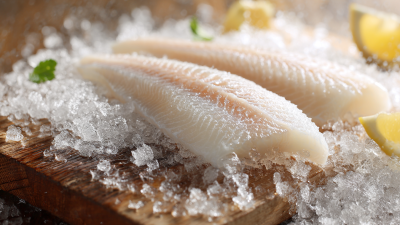
Frozen Squid Roe Best Recipes and Cooking Tips for Chefs
Frozen Squid Roe has become a sought-after ingredient in culinary circles. Chef Marco Santoro, a renowned seafood expert, states, "Frozen Squid Roe elevates dishes with its unique flavor and texture." This versatile ingredient can enhance various recipes, from pasta to sushi.
Using Frozen Squid Roe requires skill and attention. It can be challenging to balance its richness with other ingredients. Chefs often experiment to find the perfect pairings. Simple dishes highlight its flavors, while complex ones can overwhelm.
Understanding the application of Frozen Squid Roe is key. Its unique taste can shine in a dish or create confusion. Careful preparation is crucial for success. Embracing its quirks allows chefs to truly appreciate this delicacy.
Understanding Frozen Squid Roe: Types and Characteristics
Frozen squid roe is a unique ingredient that offers rich flavors and textures. Understanding its types and characteristics helps chefs elevate their dishes. There are three main types of squid roe: fresh, salted, and frozen. Each type has distinct flavor profiles and uses in different cuisines. Fresh roe offers a delicate flavor, while salted roe carries a briny taste that can enhance savory dishes.
When cooked, frozen squid roe loses some moisture, resulting in a firmer texture. This characteristic can be utilized in various recipes, from pasta to sushi. Chefs can experiment with different temperatures and cooking methods. However, overcooking may lead to rubbery textures, a common pitfall. It is important to monitor cooking times closely.
The versatility of frozen squid roe allows for creative presentation. A simple sauté can bring out its natural flavors, but it can also be paired with bold ingredients. While this ingredient may not be common in every kitchen, it provides an opportunity to explore new culinary boundaries. Embracing its complexities may lead to delightful surprises in flavor and texture.
Frozen Squid Roe Nutritional Content Comparison
This chart displays the nutritional content of frozen squid roe per 100 grams, highlighting the key components that make it a valued ingredient in culinary applications.
Essential Techniques for Thawing and Preparing Frozen Squid Roe
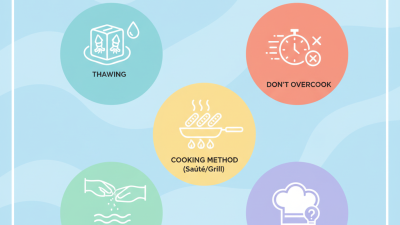
Thawing frozen squid roe properly is crucial for maintaining its flavor and texture. A report by the National Fisheries Institute highlights that proper thawing significantly enhances the sensory attributes of seafood. To thaw squid roe, place it in the refrigerator overnight. This method preserves taste and nutritional value better than rapid thawing techniques.
For immediate use, submerge the sealed package in cold water. This is quicker, but it may affect texture. Many chefs recommend avoiding microwave thawing. It unevenly heats the roe, leading to a rubbery texture.
After thawing, preparing squid roe requires attention. Gently rinse under cold water to remove any excess salt or ice crystals. Slice the roe carefully to avoid breaking it apart. Cooking methods can vary; grilling or pan-searing helps retain its rich flavor.
Tips: For best results, use a non-stick pan with a dash of oil. This prevents sticking and enhances browning. Remember, overcooking can lead to toughness. Regularly check to ensure the roe maintains its natural texture.
Top Recipes Featuring Frozen Squid Roe for Creative Chefs
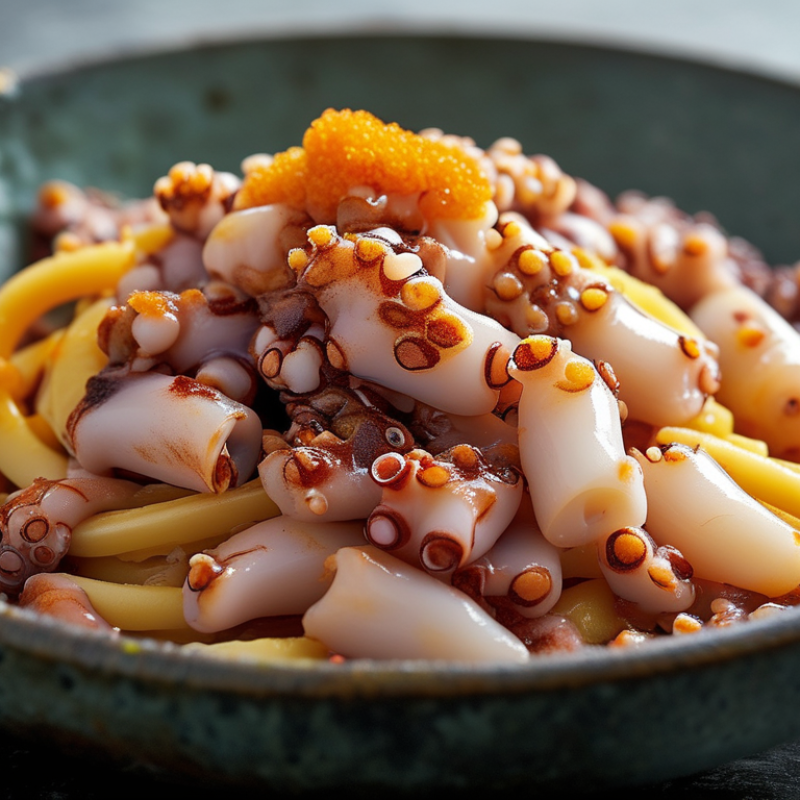
Frozen squid roe is a versatile ingredient that can elevate many dishes. Creative chefs can integrate it into a variety of recipes, showcasing its unique flavor and texture. One simple way to prepare it is by making a creamy squid roe pasta. Combine cooked spaghetti with sautéed garlic, olive oil, and a generous dollop of thawed squid roe. This creates a rich, ocean-inspired sauce. Garnish with freshly chopped parsley for a splash of color.
Another delightful option is squid roe-topped sushi. Use seasoned rice to form small sushi balls. Shape them with your hands and top each one with a slice of squid roe. The briny taste pairs perfectly with the tangy rice. Experiment with adding avocado or cucumber for extra freshness.
Chefs often overlook the subtlety of squid roe in dishes. It’s easy to become too reliant on bold flavors. It is important to balance the dish. If you add too much, it can overwhelm. Instead, use it sparingly, allowing its unique notes to shine through. Whether in pasta or sushi, this ingredient offers endless opportunities for innovation.
Cooking Tips: Pairings and Flavors that Complement Squid Roe
Squid roe is a unique ingredient that can elevate any dish. Its briny flavor pairs well with a variety of ingredients. Citrus elements, like lemon or lime, cut through the richness. They bring brightness and enhance the roe’s natural taste. A drizzle of olive oil can also complement its texture, making it more indulgent.
Spicy elements can add another dimension. Consider using jalapeños or a spicy aioli. The heat contrasts beautifully with the umami of the roe. Fresh herbs like parsley or cilantro can provide a fragrant finish. They add color and depth, making your presentation pop.
Cooking squid roe requires a delicate approach. Overcooking can make it rubbery, dulling its flavors. A quick sauté is often enough. Experimenting with sides is crucial too. Creamy risottos or crispy crostini can serve as a solid base. When paired correctly, squid roe can become a centerpiece that excites the palate.
Storage and Shelf Life: Maximizing Freshness of Frozen Squid Roe
Frozen squid roe is a delicacy that requires proper storage to maintain its freshness. To maximize its shelf life, keep it in the coldest part of your freezer. Ideally, it should be stored at 0°F (-18°C) or lower. Use airtight containers or vacuum-sealed bags, as this prevents freezer burn.
When thawing, do it slowly in the refrigerator overnight. Rapid thawing at room temperature can lead to loss of texture and flavor. Avoid refreezing once thawed. This step can negatively affect the roe’s quality.
Tips: Always label your container with the date of freezing. This lets you track its freshness. Pay attention to the smell when thawed. If it smells off or sour, it’s best to discard it. Using frozen squid roe within six months is ideal. This ensures you enjoy its rich taste without compromise.
Frozen Squid Roe Best Recipes and Cooking Tips for Chefs - Storage and Shelf Life: Maximizing Freshness of Frozen Squid Roe
| Recipe Name |
Main Ingredients |
Cooking Method |
Storage Tips |
Shelf Life |
| Squid Roe Pasta |
Frozen squid roe, spaghetti, olive oil, garlic |
Boil pasta, sauté garlic, mix with squid roe |
Keep in airtight containers; do not expose to air |
2 months frozen |
| Squid Roe Salad |
Frozen squid roe, mixed greens, vinaigrette |
Thaw roe, mix with greens, drizzle with vinaigrette |
Refrigerate after thawing; consume within 3 days |
1 month frozen |
| Squid Roe Sushi |
Frozen squid roe, sushi rice, nori |
Prepare sushi rice, roll with roe and nori |
Store sushi wrapped tightly in plastic |
Eat within 1 day after preparation |
| Breaded Fried Squid Roe |
Frozen squid roe, breadcrumbs, eggs |
Dip roe in egg, coat with breadcrumbs, fry |
Store in freezer until ready to cook |
3 months frozen |