Buying Frozen Surimi Sticks wholesale requires more than comparing prices. Buyers must evaluate texture, flavor, packaging, storage conditions, and supplier reliability. A low quotation may look attractive, but it can hide inconsistent sizing, weak packaging, or unstable cold-chain handling. Small details matter. A broken carton can become a costly problem.
Dr. Elena Marquez, a seafood procurement specialist, says, “The best surimi supplier is not always the cheapest; it is the one that delivers consistent quality, documentation, and communication.” Her view reflects a practical sourcing reality. Wholesale buyers should request product samples before placing large orders. Check the ingredient list, fish species, additives, glazing percentage, net weight, and recommended storage temperature. Confirm whether the supplier can provide batch records, health certificates, and relevant food-safety documentation for the destination market.
Reliable purchasing also depends on clear commercial terms. Discuss minimum order quantities, lead times, pallet configuration, payment conditions, and replacement procedures before signing an agreement. Ask how Frozen Surimi Sticks are transported and monitored during delivery. Temperature abuse may not be obvious when cartons arrive frozen.
There is no perfect sourcing formula. A supplier with excellent products may have limited production capacity. Another may offer flexible volumes but weaker export experience. Buyers should compare these trade-offs honestly. A written checklist helps. So does a small trial order. This guide explains how to assess suppliers, control purchasing risks, and choose Frozen Surimi Sticks that fit your market, budget, and quality expectations.

Frozen surimi sticks are processed seafood products made from minced white fish, seasonings, starch, and other approved ingredients. Their texture should be springy, moist, and easy to separate after thawing. Wholesale buyers should examine the ingredient list, fish species, protein content, stick size, and net weight before discussing price.
Specification sheets should state storage temperature, glazing percentage, carton dimensions, pieces per bag, and minimum order quantity. A practical buyer should request samples from different production lots. Check color, fiber structure, odor, and bite after controlled thawing. Slight differences can matter in sushi counters, buffets, and food manufacturing. They can affect portion control.
Cold-chain reliability deserves careful attention. Ask how the product is packed, monitored, and transported. Confirm that cartons arrive hard-frozen, dry, and free from heavy ice buildup. Required documents may include a product specification, allergen declaration, packing list, certificate of analysis, and microbiological test results. Local import rules still need independent verification.
Do not choose the lowest quotation too quickly. A low price may reflect lighter glazing, smaller pieces, shorter shelf life, or weaker packaging. This is where purchasing plans often become imperfect. Buyers sometimes compare cartons instead of usable product after thawing. Recalculate the real cost per kilogram. Agree on tolerances for weight, breakage, color, and delivery delays before placing a wholesale order.
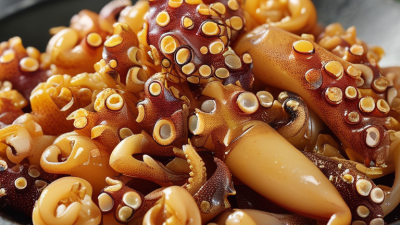
When buying frozen surimi sticks wholesale, quality should be checked before price. Examine several samples from the same production lot. The sticks should have a clean shape, firm texture, and mild seafood aroma. Excessive ice, yellowing, or cracked surfaces may indicate poor handling. I have learned that one attractive sample proves very little. Request a product specification, certificate of analysis, and recent microbiological test results. Do not guess. Confirm the production date, frozen shelf life, storage temperature, and lot identification.
Ingredients need careful review. Surimi may contain fish, starch, sugar, salt, egg, soy, or permitted additives. Check the fish species and allergen statement against your market’s requirements. Ask whether the formula can change between shipments. It sometimes does. Packaging should protect the product from moisture loss and freezer damage. Inspect carton strength, inner bags, sealing quality, printing, and pallet stability. Labels must remain readable after cold storage.
Cold chain matters. Confirm that the supplier monitors storage and transport temperatures, with records available for review. Frozen products should arrive solid, without thawing signs or heavy frost inside the carton. Evaluate the supplier’s food safety system, sanitation controls, traceability process, and recall procedure. A remote audit may help, but an on-site visit provides stronger evidence. Keep a retained sample and document receiving checks. This small step can reveal problems later. Procurement teams should also verify import documents and local food regulations before placing a large order.
Finding Reliable Frozen Surimi Stick Wholesale Suppliers
Choosing a frozen surimi stick supplier takes more than comparing prices. Ask how the product is packed, how long it can remain frozen during transport, and what temperature checks are recorded. Reliable suppliers should provide clear product specifications, ingredient information, storage guidance, and batch documentation. Details matter. A carton that arrives soft at the corners may signal a break in cold-chain handling, even when the sticks still look intact.
Request samples before placing a large order. Check texture after thawing, color, aroma, and consistency between batches. Ask about minimum order quantities, lead times, shipping schedules, and how damaged or temperature-abused goods are handled. Keep the answers in writing. A supplier who responds promptly and gives specific information is easier to assess than one who offers broad promises. Still, paperwork alone cannot prove every shipment will be perfect.
Look for practical evidence of quality controls, such as documented temperature monitoring and traceable lot numbers. If possible, speak with existing wholesale customers about delivery reliability and communication when problems occur. Compare the full landed cost, not just the quoted price; freight, storage, and occasional losses can change the numbers. I would not assume the cheapest offer is the best value. Even a careful review has limits, so begin with a manageable order and inspect it on arrival.
| Buying Dimension | Practical Wholesale Reference | What to Verify with the Supplier | Buyer Acceptance Point |
|---|---|---|---|
| Product Type | Frozen cooked surimi sticks, commonly supplied as individually quick frozen or block-frozen products. | Confirm whether the sticks are ready-to-eat after thawing or require further cooking. | The product description, intended use, and preparation instructions should match the import and retail requirements. |
| Raw Material | Surimi is made from minced fish, usually white-fleshed fish such as Alaska pollock, Pacific whiting, or other approved species. | Request the exact fish species, country of origin, fishing or farming information, and allergen declaration. | The species and origin stated on the specification sheet must match the label, purchase contract, and shipment documents. |
| Typical Product Size | Common retail-style sticks are approximately 8–12 cm long, with weights often ranging from 10–20 g per stick. | Check stick length, diameter, unit weight, count per bag, and permitted size tolerance. | Use a written size tolerance, such as a maximum variation agreed in the product specification. |
| Protein Content | Many commercial surimi products contain approximately 7–12% protein, depending on formulation and market positioning. | Request the laboratory specification and confirm whether the value is a minimum or a typical result. | Set a minimum protein level appropriate for the target market instead of relying only on product photographs. |
| Moisture and Texture | Moisture is commonly high in surimi-based products, while texture should be elastic, cohesive, and free from excessive purge after thawing. | Ask for moisture data, gel-strength information when available, and a retained sample or pre-shipment sample. | After controlled thawing, sticks should maintain their shape without excessive water release, mushiness, or cracking. |
| Ingredients and Allergens | Typical ingredients may include fish surimi, water, starch, sugar, salt, egg white, vegetable oil, flavoring, and permitted food additives. | Obtain the complete ingredient list, allergen statement, additive names or numbers, and any genetically modified ingredient declaration required by the destination market. | Labels and customs documents must comply with the food-labeling rules of the importing country. |
| Packaging Format | Common wholesale formats include inner bags packed in master cartons, with net weights such as 5 kg, 10 kg, or 20 kg per carton. | Confirm net weight, gross weight, pieces per carton, carton dimensions, pallet pattern, and packaging material. | Cartons should be clean, sealed, moisture-resistant, properly labeled, and suitable for frozen distribution. |
| Cold-Chain Requirement | Frozen seafood is generally stored and transported at −18°C or colder; temperature fluctuations should be minimized. | Request loading-temperature records, reefer-container settings, data-logger availability, and the temperature-control procedure. | Reject or investigate shipments showing thawing, refreezing signs, heavy ice buildup, damaged packaging, or prolonged temperature abuse. |
| Shelf Life | Commercial frozen surimi sticks commonly carry a shelf life of approximately 12–24 months when continuously kept frozen, depending on the formulation and packaging. | Confirm the original production date, best-before date, remaining shelf life at shipment, and storage conditions. | Agree on a minimum remaining shelf life at arrival, such as 70–80% of the stated shelf life. |
| Food Safety Testing | Relevant controls may include microbiological testing, heavy metals, histamine where applicable, preservatives, allergens, and foreign-matter control. | Request a recent certificate of analysis, testing frequency, laboratory accreditation details, and batch traceability records. | Test results should correspond to the shipped production lot and comply with the destination country’s legal limits. |
| Certifications and Compliance | Depending on the market, buyers may require a recognized food-safety management system, HACCP-based controls, sanitary approval, or additional sustainability certification. | Verify certificate validity, scope, issuing body, covered production site, and expiration date. | The certificate should cover the actual facility producing the surimi sticks, not only a trading or distribution office. |
| Minimum Order Quantity | Wholesale quantities vary by product and packaging. Trial orders may be arranged by carton, while regular export orders are often planned by pallet or container. | Ask for the minimum order by stock-keeping unit, carton, pallet, and full container, including mixed-load options. | Compare the total landed cost rather than unit price alone, including freight, insurance, duties, inspection, and cold storage. |
| Lead Time | Regular-stock orders may require several days to a few weeks; customized formulations, printed packaging, or new production can take longer. | Confirm production schedule, booking cut-off, port availability, estimated transit time, and contingency arrangements. | Use a written delivery window and define the procedure for delays, temperature incidents, or short shipments. |
| Supplier Verification | A reliable supplier should provide consistent specifications, traceable batch documents, clear communication, and verifiable production information. | Request a factory audit report, business registration, export experience, product samples, references, and traceability records. | Place a small trial order first and compare the delivered product with the approved sample and specification. |
| Commercial Terms | Important terms include product price, Incoterms, payment schedule, currency, insurance responsibility, claims period, and temperature-related liability. | Compare quotations on the same basis, such as EXW, FOB, CFR, or CIF, and clarify all additional charges. | The purchase contract should define product specifications, inspection rights, documentation, delivery temperature, and compensation for non-conformity. |
How to Buy Frozen Surimi Sticks Wholesale?
Wholesale surimi buying starts with landed cost, not the carton price. FAO’s The State of World Fisheries and Aquaculture 2024 reports 185 million tonnes of aquatic animals produced in 2022. Aquaculture supplied about 51% of that volume. However, surimi prices still change with raw fish costs, fuel, labor, glazing, and cold storage. Compare quotes using the same trade term. A 1.80-dollar-per-kilogram FOB quote may become 2.25 dollars after freight, insurance, port fees, and a 20% protective glaze. This example is illustrative, not a market benchmark.
Minimum orders need equal attention. One supplier may require one pallet, while another requires a full refrigerated container. Calculate storage space, weekly sales, and expiry risk before negotiating. A lower unit price can become expensive when products sit in a freezer. UNCTAD’s Review of Maritime Transport 2023 states that ships carry over 80% of global merchandise trade by volume. Yet reefer availability, port congestion, and destination charges can change shipping costs quickly. Request temperature records, loading dates, transit time, and responsibility for delays. I would not trust a price comparison without these details.
Tips: Ask for a full landed-cost sheet. Confirm net weight after glazing. Check carton dimensions and pallet count. Require product specifications, batch records, and a temperature logger. Leave room for mistakes; forecasts are rarely perfect. A small trial order may reveal more than a polished quotation.
Completing a wholesale purchase requires more than agreeing on a price. Confirm the product specification in writing before payment. Check stick size, net weight, glazing percentage, ingredients, allergens, and packing units. Frozen surimi sticks should remain at the agreed storage temperature, usually -18°C or below. Ask for production dates, shelf life, lot numbers, and relevant food-safety documents. Local import and labeling rules may differ, so verify them with the responsible authority.
Set clear delivery terms, including loading time, transport temperature, seal numbers, and procedures for damaged cartons. Request photos before dispatch, but do not treat photos as proof of condition. A sealed truck can still carry warm products. Keep the purchase order, invoice, specifications, and inspection requirements together. This simple file often prevents expensive misunderstandings.
Inspect the shipment immediately after arrival. Record the truck temperature and compare it with the product temperature using a calibrated probe. Examine several cartons, not only the top layer. Look for broken packaging, heavy frost, leakage, crushed sticks, and unusual odors after thawing a sample under controlled conditions. Count cartons and weigh random units against the declared net weight. Check lot codes and dates against the documents. I once trusted a clean outer carton and missed soft product inside. That mistake changed my receiving routine. If results are unclear, separate the affected lot, photograph the evidence, and request a written response before releasing it for sale.
Sample receiving inspection: check product temperature across cartons when the wholesale order arrives. Frozen foods should be kept at 0°F (-18°C) or below. These example readings are illustrative; record and assess the actual shipment on arrival.