Inquiry
Form loading...
Choosing the right Frozen Fish Balls supplier requires more than comparing prices or attractive product photos. Global buyers must examine formulation, fish species, processing controls, and cold-chain performance. A reliable supplier should provide clear ingredient lists, allergen declarations, batch records, and traceable production dates. Samples can reveal important details, including springy texture, fish aroma, coating stability, and cooking loss.
Food-safety specialist Dr. Robert Gravani captures the responsibility clearly: “Food safety is everyone’s business.” His principle applies across every shipment. Buyers should review HACCP systems, relevant certifications, factory audit results, and temperature records before signing contracts. Strong suppliers can explain their freezing process, packaging options, minimum order quantities, and export experience without avoiding difficult questions.
The best supplier may not offer the lowest quotation. Stable quality matters more.
A practical comparison should also consider port access, private-label support, response speed, and claims handling. A supplier that communicates quickly during a temperature deviation may protect a long-term business relationship. Still, no supplier is perfect. Certificates can expire, samples can differ from production batches, and shipping conditions can change unexpectedly. That is why independent verification remains necessary.
This guide introduces leading Frozen Fish Balls suppliers for global buyers. It focuses on measurable quality, production capability, compliance evidence, and real purchasing risks. Some assessments may remain imperfect because supplier data changes over time. Buyers should confirm current certifications and product specifications directly before placing commercial orders.
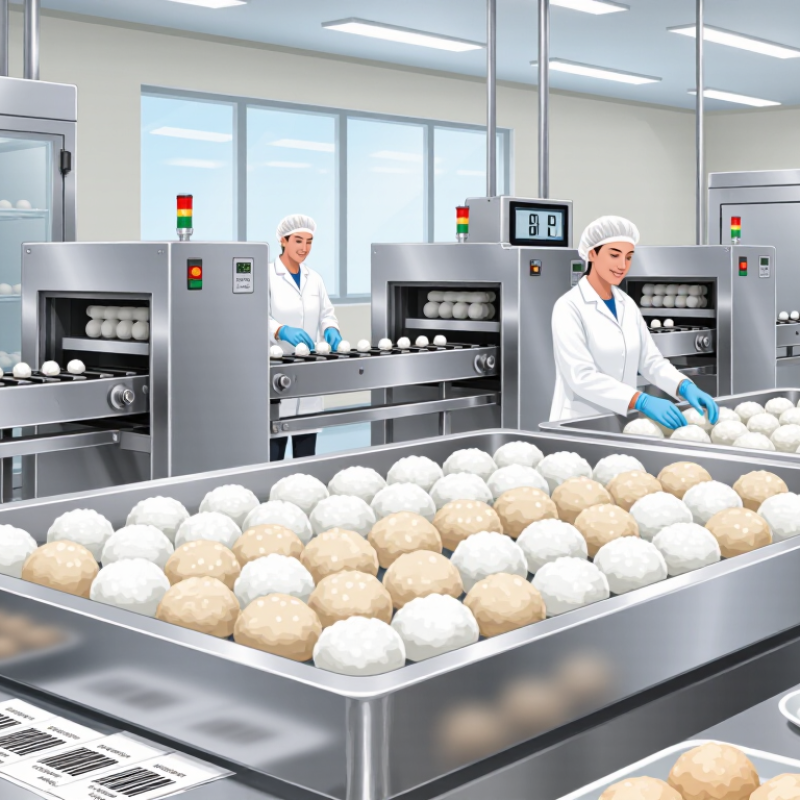
Frozen fish balls are formed portions of seasoned fish paste, often made from minced white fish or surimi. Manufacturers blend the paste with starch, salt, water, and selected seasonings. The mixture is shaped, cooked, rapidly frozen, and packed for distribution. When prepared well, each ball should feel springy, moist, and uniform after boiling. Poor processing can create a rubbery bite.
Their worldwide popularity reflects convenience and changing food-service habits. The FAO’s 2024 State of World Fisheries and Aquaculture reported 185 million tonnes of aquatic animal production in 2022. About 89% went directly to human consumption. The OECD-FAO Agricultural Outlook 2024–2033 also identifies aquatic foods as important contributors to global diets. Fish balls extend seafood into soups, hot pots, noodles, snacks, and institutional meals. They cook quickly. That matters in busy kitchens.
For global buyers, product quality depends on more than appearance. Experienced procurement teams check species declarations, fish content, additives, allergens, cooking instructions, and microbiological test results. They also review glazing, carton strength, lot traceability, and temperature records. Frozen storage is commonly specified at -18°C or below, with an uninterrupted cold chain. A bright package proves little. One overlooked risk is texture loss after repeated temperature changes. Supplier audits, retained samples, and independent testing remain useful safeguards. Even then, specifications cannot replace practical tasting across different cooking methods.
| Leading Sourcing Region | Common Raw Fish Species | Typical Product Forms | Typical Fish Content | Common Ball Size | Standard Packaging | Storage & Shelf Life | Common Buyer Requirements | Key Market Advantages |
|---|---|---|---|---|---|---|---|---|
| China | Surimi from threadfin bream, lizardfish, silver carp, and other white-fleshed fish | Plain fish balls, stuffed fish balls, fried fish balls, hot-pot fish balls | Usually approximately 40%–70%, depending on recipe and product grade | 10–30 g per piece; custom sizes are available | 500 g, 1 kg, 2.5 kg, or 10 kg food-service packs | Stored at −18°C or below; commonly 12–24 months when continuously frozen | HACCPBRCGSIFSHalal where applicable | Large processing capacity, broad product selection, flexible private-label and food-service formats |
| Vietnam | Alaska pollock, threadfin bream, lizardfish, and other white-fleshed marine fish | Surimi fish balls, stuffed fish balls, soup balls, and hot-pot products | Commonly approximately 45%–70%, varying by specification | 12–25 g per piece for retail and food-service applications | Retail bags, bulk cartons, vacuum packs, and food-service bags | Frozen at −18°C or below; typical commercial shelf life is 18–24 months | HACCPBRCGSASC/MSC chain of custody when relevant | Strong seafood-processing infrastructure and established export logistics |
| Thailand | Threadfin bream, lizardfish, croaker, and other surimi-grade fish | Elastic-texture fish balls, fried fish balls, stuffed balls, and ready-to-cook products | Often approximately 45%–65%, subject to product formulation | 15–30 g per piece; small cocktail sizes may also be produced | 500 g and 1 kg retail packs; 5–10 kg catering cartons | Maintain at −18°C or below; commonly 12–18 months | GMPHACCPBRCGSHalal options | Well-developed surimi expertise, consistent texture, and export-oriented production |
| Indonesia | Milkfish, mackerel, threadfin bream, and other locally available white-fleshed fish | Fish balls, otak-otak-style products, soup balls, and mixed seafood balls | Typically approximately 35%–65%, depending on recipe and market segment | 10–25 g per piece for retail, catering, and street-food use | Plastic bags, laminated pouches, and master cartons for distribution | Frozen at −18°C or below; commonly 12–18 months | HACCPHalalBPOM compliance where required | Competitive regional supply and strong demand for fish balls in Southeast Asian cuisine |
| Malaysia | Threadfin bream, lizardfish, mackerel, and imported surimi raw material | Plain fish balls, stuffed fish balls, fried fish balls, and premium seafood balls | Usually approximately 45%–70% for standard and premium grades | 12–30 g per piece; customized diameter and weight are common | Retail pouches, vacuum packs, and 5–10 kg wholesale cartons | Maintain at −18°C or below; commonly 12–24 months | HACCPHalalMeSTI/GMP where applicable | Strong halal-market suitability and convenient access to regional distribution networks |
| Japan and South Korea | Pollock, cod, Alaska pollock surimi, and other high-quality white-fleshed fish | Premium surimi balls, kamaboko-style products, soup balls, and specialty seafood balls | Frequently approximately 50%–80% in higher-value formulations | 10–25 g per piece; specialty shapes and textures are available | Retail trays, pouches, vacuum packs, and food-service cartons | Stored at −18°C or below; commonly 12–24 months | HACCPISO 22000BRCGS or equivalent | Advanced surimi technology, reliable quality control, and premium texture options |