Inquiry
Form loading...

How to Source Frozen Squid With Sauce in 2026?

How to Source Frozen Squid With Sauce in 2026?

Frozen Squid With Sauce is moving beyond a simple seafood convenience product. Buyers now expect consistent texture, clean labeling, reliable cold-chain handling, and clear origin records. The opportunity is real, but the category remains difficult to measure. Public reports rarely separate sauced squid from wider frozen seafood data.

The FAO’s State of World Fisheries and Aquaculture 2024 reported 185 million tonnes of global aquatic animal production in 2022. Its findings also highlighted growing demand for convenient, value-added seafood. That trend supports prepared squid products, but it does not guarantee stable supply. UN Comtrade data can help buyers compare import values, volumes, and supplier-country patterns. The figures require careful interpretation.

Seafood analyst Gorjan Nikolik has described squid as a “volatile market.” That warning matters in 2026. Weather shifts, fishing conditions, fuel costs, and processing capacity can quickly change quotations. A low price may hide smaller squid sizes, excess sauce, or weak freezing control.

Experienced buyers should inspect species identification, catch area, glaze percentage, sauce formula, allergen statements, microbiological results, and storage temperature. Request production photos. Check carton labels against shipping documents. Ask how long the product stayed frozen before export.

There is no perfect supplier search. Some specifications will need revision after the first sample. That is normal.

This guide explains how to compare manufacturers, verify product quality, evaluate landed cost, and reduce avoidable sourcing risks. Evidence should lead the decision, not attractive packaging.

How to Source Frozen Squid With Sauce in 2026?

What Is Frozen Squid With Sauce?

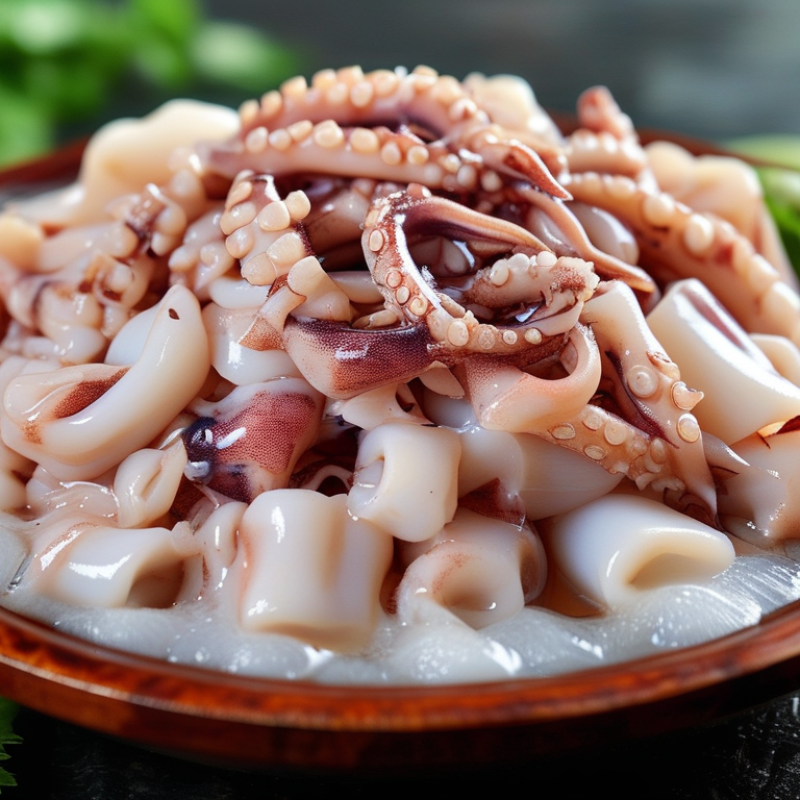
Frozen squid with sauce is a prepared seafood product, not simply raw squid stored in a freezer. Cleaned squid rings, strips, or whole tubes are combined with a seasoned sauce before freezing. The sauce may contain tomato, garlic, chili, soy, or mild spices. Its flavor should remain clear after reheating. The squid should feel tender, not rubbery.

In practical sourcing, I check the ingredient list, processing date, net weight, and storage temperature. A reliable supplier should provide batch records and clear product specifications. The packaging should show no heavy frost, broken seals, or liquid leakage. Frozen storage near -18°C helps protect texture and quality. I also request cooking instructions and a sample before placing a larger order.

I once judged quality by appearance alone. That was not enough. Sauce color can hide uneven squid pieces or excessive glaze. Now, I thaw a sample under controlled refrigeration and inspect its smell, texture, and sauce coverage. The squid should have a clean marine scent. It should not release unusual liquid. Portion size matters, too. Some packs contain attractive pieces on top but smaller pieces underneath. A careful supplier explains this variation instead of avoiding the question.

How to Define Product Specifications and Quality Standards

When sourcing frozen squid with sauce, define the product before comparing suppliers. Specify the squid species, country of harvest, cut style, size range, and net weight. State whether the weight includes sauce and glazing. This detail prevents misleading price comparisons.

Set measurable quality standards. Require a clear size tolerance, such as 10% variation, and define acceptable glazing levels. The squid should have a firm texture, clean ocean scent, and no excessive yellowing. The sauce needs a fixed viscosity, flavor profile, salt range, and ingredient declaration. Specify storage at -18°C or below, intact packaging, production dates, lot codes, and traceability records. Testing should cover microbiological safety, allergens, heavy metals, and foreign materials through qualified laboratories. Ask for representative samples, not only polished photographs.

Tips: Prepare a one-page specification sheet before requesting quotations. Include photos showing acceptable and unacceptable squid pieces. Check thaw-loss after cooking, because frozen weight can hide poor yield. Record test results from every shipment. A perfect specification is unrealistic. Seasonal differences, handling delays, and sauce separation may still appear. Review complaints and adjust tolerances carefully, rather than rejecting every minor variation._影音先锋

How to Source Frozen Squid With Sauce in 2026?

Product Specifications and Quality Standards

This chart presents practical receiving benchmarks for frozen squid with sauce. A qualified shipment should maintain a core temperature of −18°C or below, comply with declared sauce and net-weight specifications, and achieve high conformity across packaging, sensory, labeling, and microbiological checks. The percentages represent recommended minimum lot-level pass rates for procurement screening.

Where to Find Reliable Frozen Squid Suppliers in 2026

How to Source Frozen Squid With Sauce in 2026?

Reliable frozen squid suppliers in 2026 should provide clear product records, not vague promises. Ask for the squid species, catch area, processing date, freezing method, and storage temperature. A trustworthy supplier should explain its cold-chain controls from factory to delivery. Digital batch records are useful, especially when several shipments arrive together. Check whether each lot includes laboratory results for microbiological safety, heavy metals, and sauce-related allergens. Do not accept certificates without matching batch numbers.

Tips: Request a small sample before placing a large order. Thaw it under controlled conditions and inspect texture, smell, sauce coverage, and drip loss. Test the cooking result, too. Squid can become rubbery after reheating. Ask suppliers about glazing percentages and net weight after thawing. Review their facility audit reports and food-safety certifications. A video factory tour helps, but an independent audit is stronger evidence.

Price matters, but unusual discounts deserve questions. A low quote may hide thin sauce coverage, excessive ice, or inconsistent squid sizes. Confirm packaging strength, carton labels, minimum order quantities, and delivery schedules in writing. I have found that supplier communication reveals practical reliability. Replies should be specific and timely. Still, communication alone proves little. A polished sample can hide variation across lots, so request production samples from different dates. Leave room for mistakes, and measure everything before committing.

How to Source Frozen Squid With Sauce in 2026? — Where to Find Reliable Frozen Squid Suppliers in 2026
Procurement Dimension Recommended Requirement Typical Commercial Data Supplier Verification Point Priority
Product Form Choose cleaned tubes, rings, strips, tentacles, or whole squid according to the final recipe. Common formats include individually quick frozen pieces, IQF rings, battered portions, and ready-to-cook sauced packs. Request product photographs, a detailed cutting specification, and a physical pre-production sample. High
Sauce Type Define the sauce profile before requesting quotations. Typical options include garlic butter, spicy tomato, chili, teriyaki-style, black pepper, and creamy seafood sauces. Confirm sauce ingredients, allergen declarations, viscosity, solids content, and whether the sauce is packed with or separately from the squid. High
Species Identification Require the scientific name or approved commercial species name on the specification sheet. Commercial squid products may come from different squid species and fisheries, which can affect size, texture, yield, and price. Compare the species declaration with catch documentation, product labels, and laboratory or traceability records. High
Origin and Fishery Evaluate the fishing area, aquaculture status where applicable, and legal harvesting controls. Major global squid supply regions include the Northwest Pacific, Southeast Pacific, Southwest Atlantic, and selected Indian Ocean fisheries. Request catch certificates, harvest-area information, vessel or farm traceability, and applicable import documentation. High
Freezing Method Prefer rapid freezing that preserves texture and limits drip loss. IQF is widely used for separated squid pieces; block freezing is used for consolidated formats and larger foodservice packs. Confirm freezing method, freezing time, product core temperature, and whether pieces remain free-flowing after thaw control. High
Storage Temperature Maintain the frozen product at −18°C or colder throughout storage and transport. Commercial frozen seafood is generally stored and transported at −18°C or below; lower temperatures may be specified for extended distribution. Review temperature-monitoring records, container data, warehouse logs, and loading procedures. High
Glazing Specify the permitted glaze percentage separately from the net product weight. Glaze levels vary by product and market; a buyer may specify a maximum percentage to prevent excess ice and inaccurate yield calculations. Require net-weight and drained-weight testing, plus a documented glaze measurement method. High
Size Grading Use a measurable count or piece-weight range rather than general terms such as “small” or “large.” Typical specifications may state pieces per kilogram, ring diameter, tube length, or grams per portion. Check the size distribution across multiple cartons and confirm tolerance limits for undersized or oversized pieces. High
Raw Material Yield Compare usable cooked yield, not only the frozen purchase price. Yield is influenced by cleaning level, skin removal, trimming, sauce ratio, glaze, and cooking shrinkage. Conduct a controlled thawing and cooking trial using the same process planned for commercial production. High
Food Safety System Source from facilities operating a documented HACCP-based food safety system. Export-oriented seafood facilities commonly maintain HACCP procedures and may hold an independently audited food-safety certification. Review the current certificate, audit scope, corrective-action history, sanitation program, and product testing plan. High
Microbiological Controls Set limits for relevant pathogens and indicator organisms according to the destination market. Testing programs commonly address total plate count, coliforms or Enterobacteriaceae, Salmonella, Listeria monocytogenes, and Vibrio where relevant. Request recent lot-specific laboratory reports and confirm that testing methods are accredited or accepted in the destination market. High
Chemical Controls Define requirements for heavy metals, residues, additives, and processing contaminants. Depending on origin and destination, controls may include mercury, cadmium, sulfites, unauthorized preservatives, and veterinary or environmental residues. Check the certificate of analysis, additive declaration, maximum residue limits, and any destination-specific compliance requirements. High
Allergen Declaration Clearly identify mollusk or seafood allergens and all sauce ingredients. Squid is a mollusk and may require allergen declaration; sauces can introduce soy, wheat, milk, sesame, or other allergens. Review the ingredient list, allergen matrix, cross-contact controls, and translated labels before shipment. High
Packaging Format Match the pack size to retail, foodservice, or industrial use. Common formats include consumer pouches, vacuum packs, foodservice bags, and bulk cartons with inner liners. Confirm carton dimensions, inner-pack count, packaging material suitability, seal integrity, and resistance to freezer conditions. Medium
Label Information Require product name, species, net weight, lot code, production date, best-before date, storage conditions, and origin. Label requirements differ by importing country and may include preparation instructions, nutrition information, allergens, and importer details. Approve artwork against the destination-country regulations before printing or loading. High
Shelf Life Set the minimum remaining shelf life required at arrival. Frozen seafood shelf life varies by species, packaging, sauce formulation, glazing, and temperature stability; many commercial specifications use 12–24 months. Confirm the manufacturer’s validated shelf-life study, date-coding format, and minimum remaining shelf life at delivery. High
Minimum Order Quantity Separate stock products from customized private-label or sauce-development orders. Ready-made stock items normally require less volume than customized recipes, packaging, or dedicated production runs. Request separate quotations for trial orders, regular orders, customized packaging, and annual-volume commitments. Medium
Lead Time Build time for production, testing, documentation, and cold-chain booking into the purchasing plan. Routine frozen orders may require several weeks; customized sauce, packaging, or seasonal raw-material programs can require additional time. Obtain a written production schedule covering sample approval, manufacturing, inspection, export documents, and shipment readiness. Medium
Cold-Chain Logistics Use reefer transport with temperature monitoring and a documented handover process. Frozen shipments commonly move through refrigerated containers or trucks maintained at approximately −18°C or colder. Require loading photographs, temperature logger placement, seal numbers, reefer set points, and deviation procedures. High
Commercial Terms Compare quotations using the same basis of price, weight, delivery term, and included documentation. Useful comparison fields include price per kilogram, net weight, glaze percentage, freight, insurance, inspection, and import-related charges. Ask for itemized quotations under the same Incoterm and verify whether the price is based on gross, net, or drained weight. High
Sample Approval Approve samples only after evaluating thawed appearance, texture, sauce coverage, aroma, taste, and cooked yield. A practical evaluation should include at least one thawing test and one preparation method matching the intended menu or retail instructions. Record sample code, batch details, cooking conditions, sensory results, and acceptance criteria in a signed specification. High
Supplier Reliability Indicators Prioritize transparent documentation, stable specifications, responsive communication, and traceable corrective actions. Reliable suppliers can normally provide consistent product specifications, lot records, test results, export documents, and shipment-temperature evidence. Use a scored supplier audit covering food safety, traceability, quality consistency, delivery performance, and complaint handling. High
2026 Buying Checklist Finalize species, sauce recipe, size grade, glaze limit, packaging, certification scope, destination rules, and cold-chain controls before contracting. Use at least two approved supply options to reduce disruption from seasonal catch variability, freight changes, or regulatory delays. Keep an annual review file containing approved specifications, supplier audits, test reports, delivery records, and corrective-action history. High

How to Evaluate Prices, Certifications, and Export Terms

How to Source Frozen Squid With Sauce in 2026?

Price evaluation starts with product detail, not the supplier’s headline quote. Confirm squid species, origin, glaze percentage, sauce formula, net weight, and pack size. A 10% glaze can change the real cost noticeably. Compare prices by drained weight and delivered cost. Use UN Comtrade data under HS 030743 for frozen squid and HS 160554 for prepared squid products. Trade data is useful, but it may combine different qualities. That is an important limitation.

Certifications should match the destination market and product risk. Request valid HACCP or ISO 22000 records, recent audit reports, allergen controls, and microbiological test results. Check whether seafood sustainability claims cover squid specifically. Do not accept a generic certificate without its scope and expiry date. The FAO State of World Fisheries and Aquaculture 2024 reported 185 million tonnes of aquatic animal production in 2022, with 89% used for human consumption. This scale makes traceability more important, not less. Export terms also need precision. Compare FOB, CFR, and DDP only after confirming insurance, customs clearance, duties, and temperature responsibility under Incoterms 2020.

Tips: Ask for a landed-cost worksheet, two production samples, and temperature records from loading to arrival. Keep specifications in writing. I have seen attractive quotes become expensive after sauce weight, testing, and port delays were added. My own caution is simple: a lower price may reflect weaker documentation, but not always. Check the evidence before judging.

How to Manage Sampling, Ordering, Shipping, and Storage

How to Source Frozen Squid With Sauce in 2026?

Sourcing starts with a controlled sample, not a low quotation. Request frozen squid size, net weight, sauce ratio, glazing percentage, origin, catch method, and packing date. Test three samples after thawing under the same kitchen conditions. Check squid firmness, sauce separation, odor, salt level, and cooking loss. FAO’s The State of World Fisheries and Aquaculture 2024 reported 185.4 million tonnes of aquatic animals produced in 2022. This scale supports wider supply, but quality still varies sharply between lots. I would not approve one perfect sample too quickly. Repeat testing is safer.

Tips: Keep a sample log. Photograph the pack, label, and thawed texture. Record every defect.

For ordering, define carton weight, pieces per kilogram, sauce percentage, delivery temperature, and replacement terms. Ask for a recent certificate of analysis and traceability records. During shipping, use insulated cartons, temperature loggers, and a verified cold-chain carrier. Codex guidance commonly uses -18°C or colder for frozen fish products. On arrival, inspect crushed cartons, ice buildup, broken seals, and temperature records before acceptance. Store products at -18°C or below, away from strong odors, with older cartons placed forward. Avoid repeated thawing and refreezing. It sounds basic, yet warehouse pressure often breaks this rule. One point still needs review: sauce formulas can change freezing behavior, so validate the actual product rather than relying on general assumptions.