7 Tips for Sourcing Chinese Dried Squid Snacks?
Sourcing a Chinese Dried Squid Snack takes more than comparing prices or attractive packaging. Buyers need to understand the product, the supplier, and the evidence behind each quality claim. A reliable process begins with clear specifications: squid species, cut and size, seasoning, texture, moisture level, and packaging format. These details help prevent a sample from differing noticeably from a later shipment.
Ask suppliers for current product specifications, ingredient lists, production and lot information, and any relevant food-safety documentation. Check that labels and records match the product being offered, and confirm which standards apply in your target market. Requirements can differ, so verify them with qualified local guidance rather than relying on a supplier’s general assurance. Request samples from the intended production line when possible. Look closely at color, aroma, chewiness, and seal quality. Details matter.
Price still matters, but an unusually low quote deserves careful questions about grade, processing, and packing. Discuss minimum order quantities, lead times, shelf-life evidence, storage conditions, and how defects are handled before placing a larger order. Keep written records of agreed specifications and sample feedback. This makes follow-up clearer if the delivered product changes. No checklist is perfect; even a well-reviewed sample cannot guarantee every batch will be identical. That limitation is easy to overlook. The seven tips that follow offer practical checkpoints for evaluating suppliers, asking better questions, and making a more informed sourcing decision.

Define Product Types, Specifications, and Target Market
7 Tips for Sourcing Chinese Dried Squid Snacks?
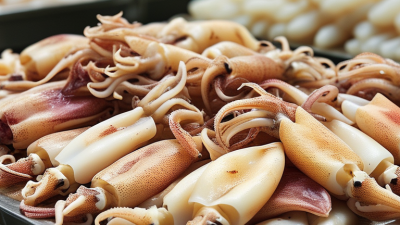
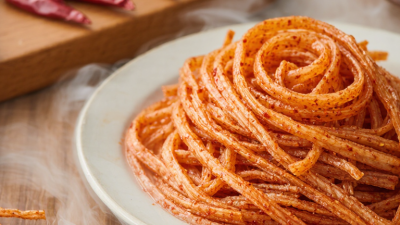
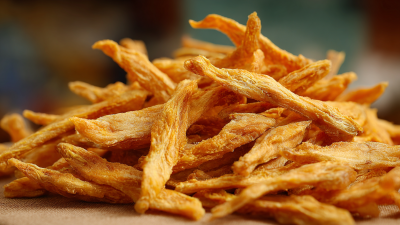
Define the product before comparing suppliers. “Dried squid” may mean roasted strips, shredded squid, seasoned bite-size pieces, or whole small squid. These forms differ in texture, preparation, and likely customer appeal. Keep it specific. Ask for the squid species, processing method, ingredient list, and a sample matching the quoted product. A sample can look convincing yet taste saltier or tougher than expected.
Write measurable specifications. Set a target for piece size, net weight, moisture range, seasoning level, and acceptable variation between batches. Describe the texture you want, such as tender with a light chew, rather than relying on “good quality.” Request packaging details, storage guidance, shelf-life support, and relevant product test records. Taste samples side by side, and record what you notice. It sounds basic, but rushed tasting can miss a lingering fishy note.
Match the product to its market. Some shoppers prefer mild, lightly seasoned strips; others seek sweet, spicy, or strongly savory flavors. Consider portion size and packaging format for convenience stores, online bundles, or larger family packs. Check ingredient and allergen information carefully, especially because squid is a common allergen. Small details matter. One imperfect assumption is worth revisiting: a popular flavor in one region may not work for your customers. Share target-market feedback with suppliers before confirming production.
7 Tips for Sourcing Chinese Dried Squid Snacks: Define Product Types, Specifications, and Target Market
How to use this chart: These counts show example choices to define in a sourcing brief—not market shares or sales data. Specify the product form, flavor, package format, and intended sales channel before requesting samples and quotations. Confirm product-specific requirements, including ingredients, processing, food-safety documentation, labeling, and import rules, with your supplier and destination-market authorities.
Identify and Compare Qualified Chinese Suppliers
Tip: Build a shortlist of Chinese processors, not just trading offices. Ask for the factory address, processing flow, recent audit report, and product specification. Verify each certificate with its issuer; a logo alone proves little. Request batch-level traceability, including sourcing area, processing date, and lot code.
Use data for context, not as a supplier score. FAO’s 2024 State of World Fisheries and Aquaculture report puts global aquatic animal production at 185.4 million tonnes in 2022. That figure covers the wider sector, not dried squid specifically. It shows the scale of seafood supply chains—and why clear records matter. Shortlist suppliers that can connect a finished pouch to a processing lot.
Tip: Compare identical samples. Record squid size, cut, color, salt level, texture, and packaging seal; then compare moisture or water-activity results and microbiological tests from a competent laboratory. Check allergen controls and the supplier’s corrective-action records. Ask for a small pilot order before committing. Keep notes. Samples can look excellent while later batches vary. That risk deserves a direct conversation, even if it feels awkward.
Verify Food Safety, Certifications, and Export Compliance
When sourcing dried squid snacks, ask for documents tied to the exact product and production site. Check the facility’s food safety certificate, its scope, and its expiry date. A certificate alone does not prove every batch is safe. Paperwork matters.
Request a recent certificate of analysis for the lot you plan to buy. Compare its lot code with the sample and shipment records. Review test results for relevant microbiological hazards, contaminants, and additives against the destination market’s requirements. Also confirm ingredient lists, allergen controls, and handling procedures. Squid is a major allergen in many markets, so clear declaration and protection from cross-contact are essential.
Export rules differ by destination and can change. Confirm which health certificates, facility registrations, labels, and customs documents are required with the relevant authorities or a qualified import specialist. Check that the product name, origin, net weight, and ingredient details match across all records. Details drift. I would keep a simple document checklist for each shipment, then verify it against the physical cartons. Small mismatches can delay clearance, and a neat file is not a substitute for careful checks.
Assess Samples, Ingredients, Packaging, and Shelf Life
Request samples from the same production lot you may buy, not a specially prepared showcase pack. Check for even drying, a clean marine aroma, and a firm but not brittle bite. Compare several packs; one crisp sample proves little. Review the ingredient list for squid, salt, sugars, seasonings, and declared allergens, then match it against the supplier’s specification and test documents. A small mismatch can matter at scale.
Inspect seals, lot codes, and the material’s resistance to moisture and oxygen. Ask the supplier to state storage conditions and support the shelf-life date with real-time testing. Useful checks include water activity, microbial results, and oxidation indicators. FAO’s 2019 State of Food and Agriculture estimated that 14% of food is lost between harvest and retail. That figure is not specific to squid, but it underlines why weak seals and unclear storage instructions deserve attention.
Ask for test results from multiple production lots, not one favorable batch. FAO’s 2024 State of World Fisheries and Aquaculture reported 223.2 million tonnes of global fisheries and aquaculture production in 2022, showing the scale of aquatic food supply chains. Scale does not guarantee consistency. I would also ask how the supplier handles complaints and retains samples; these details are easy to overlook, and I would not treat a polished document as proof of steady quality.
Confirm Pricing, Shipping Terms, and Supplier Agreements
When comparing quotes for Chinese dried squid snacks, ask suppliers to price the same specification. Include cut size, seasoning, net weight, packaging, and minimum order quantity. A low price may reflect thinner pieces or simpler packaging. Request a dated quotation showing currency, validity period, and any setup or inspection fees. Small details matter.
Confirm shipping terms in writing, including the named destination, who pays freight and insurance, and when risk transfers. Ask for the estimated production and transit times separately. Dried squid still needs moisture-resistant packaging; request photos of the sealed inner bags and outer cartons. Check how delays, damaged cartons, or short shipments will be handled. Transit estimates are not guarantees.
The supplier agreement should match the quote and approved sample. Specify product tolerances, labeling details, payment milestones, inspection procedures, and remedies for goods that fail agreed specifications. Keep signed versions of changes, too. A spreadsheet helps, but it cannot replace clear contract language. Before paying a deposit, verify the supplier’s legal business details and ask for recent production records or a third-party inspection option. Some buyers overlook this step. I would not.