Top 10 Seafood Products from China for Global Buyers?
China's seafood industry has gained global prominence over the past decade, reflecting its rapid growth and innovation. According to industry reports, China accounted for over 35% of the world's seafood production in 2022. This massive output underscores the nation's significance as a leader in the Seafood Food market. With increasing demand for high-quality and diverse seafood products, China has become a preferred supplier for international buyers.
The variety of seafood products available illustrates this trend. China offers everything from fresh fish to processed seafood, catering to diverse tastes and preferences. Specifically, exports of shellfish, such as shrimp and scallops, have seen a significant rise, appealing to markets in North America and Europe. However, challenges exist, such as sustainability concerns and quality control issues in the industry. These factors necessitate a careful approach when sourcing seafood products.
In conclusion, understanding the top seafood products from China offers valuable insights for global buyers. The potential for growth remains strong, but buyers must remain vigilant about sourcing responsibly. Emphasizing quality and sustainable practices will ensure that the Seafood Food supplied meets both market demands and environmental considerations.
Overview of China's Seafood Industry
China's seafood industry stands as a significant player in the global market. In 2022, the country's seafood production reached over 66 million tons, accounting for roughly one-third of the world's total output. The rise has been attributed to increased aquaculture practices and advanced fishing techniques. Notably, aquaculture contributes over 70% of the total seafood production. This sector is notable not only for volume but also for the diversity of products available.
Sourcing seafood from China provides a variety of options, including shrimp, tilapia, and scallops. These products cater to global demand, thanks to stringent food safety regulations. The Chinese government has invested in improving traceability and quality control within the industry. For instance, around 80% of Chinese seafood meets international food safety standards, although challenges persist. Some areas still struggle with sustainability and environmental impact, raising questions about long-term viability.
Recent data from the FAO indicates an increasing trend in seafood consumption worldwide, estimating a growth of nearly 20% over the next decade. This creates both opportunities and challenges for Chinese exporters. Balancing demand with responsible practices remains crucial. Addressing sustainability issues while maintaining production levels will be essential for future growth in the industry.
Major Types of Seafood Products Exported from China
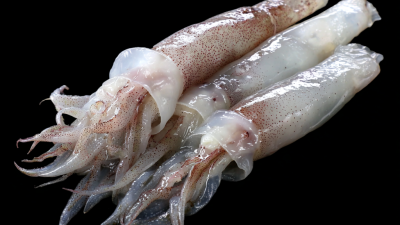
China is a significant player in the global seafood market. Major types of seafood products exported from China include shrimp, fish, shellfish, and squid. According to the China Fishery Statistical Yearbook, shrimp exports alone accounted for approximately 30% of the total seafood exports in 2022. The variety and availability of these products meet diverse consumer demands worldwide.
Shrimp farming has seen a remarkable increase. In 2021, China produced about 4.4 million tons of farmed shrimp, contributing to 60% of global supplies. However, challenges remain. Issues like sustainability and overfishing need attention. Some buyers question the environmental impact of certain farming practices. Awareness of food safety is also vital. Continuous monitoring and stringent quality checks are necessary to maintain compliance with international standards.
Fish exports are also noteworthy. China ranks as one of the top exporters of tilapia and pollock. These species are popular due to their mild taste and versatility. Despite the growth, some sectors face quality control challenges. Ensuring freshness during transport can be complex. Buyers should look for verifiable traceability to ensure product quality.
Top Ten Seafood Products in Global Markets
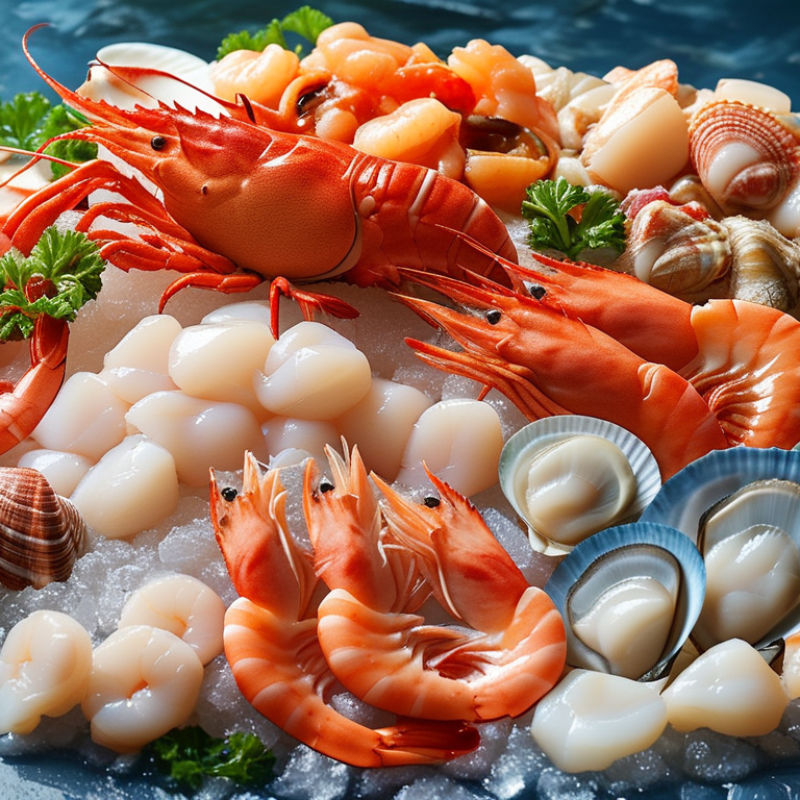
When exploring the global seafood market, Chinese products stand out for their variety and quality. China's extensive coastline and advanced aquaculture systems contribute to a rich selection of seafood. Popular items include shrimp, tilapia, and various shellfish, renowned for their freshness and flavor. These products are widely available, catering to diverse palates worldwide.
Despite their popularity, challenges exist. Overfishing and environmental concerns may affect sustainability. Buyers must ensure they choose ethically sourced seafood to support responsible practices. Transparency in supply chains is becoming crucial. Some products may lack consistent quality, which can lead to buyer dissatisfaction. It's important to research and establish reliable partnerships in China.
Moreover, market trends shift rapidly. Adapting to consumer preferences is essential. For instance, health-conscious buyers increasingly seek low-calorie options. Spices and flavors from different cultures are also gaining traction. Seafood suppliers must remain agile to meet these changing demands. Navigating this landscape requires ongoing learning and collaboration.
Top 10 Seafood Products from China for Global Buyers
This chart illustrates the top 10 seafood products exported from China, highlighting their global market demand based on recent trade data.
Key Factors Influencing Seafood Quality and Popularity
When considering seafood quality and popularity, several key factors come into play. According to a report by the Food and Agriculture Organization (FAO), seafood freshness is crucial. A product that is harvested and processed quickly retains its flavor and nutritional value. Moreover, seafood sourced from well-managed fisheries tends to have higher quality, reflecting sustainable practices. For instance, wild-caught species are often preferred over farmed varieties in many markets due to their perceived taste superiority.
Environmental conditions also significantly influence seafood quality. Water temperature, salinity, and pollution levels can affect flavor profiles and texture. A study by the Seafood Industry Research Fund highlights how these factors impact consumer preferences. For example, cleaner waters produce healthier fish, which consumers are increasingly opting for. Furthermore, traceability has become vital. Buyers are more aware of where their seafood comes from. They often seek certifications that guarantee quality and sustainability.
However, balancing quality with cost presents challenges for producers. The recent shifts in global supply chains have led to fluctuating prices. Suppliers must navigate these complexities while ensuring product integrity. Ultimately, maintaining high standards in seafood production requires ongoing commitment in every aspect of the supply chain. Adaptability and resilience are necessary traits in this evolving market landscape.
Top 10 Seafood Products from China for Global Buyers
| Product |
Type |
Key Quality Indicators |
Popularity Factor |
| Shrimp |
Crustacean |
Freshness, Size, Color |
High Demand in Seafood Restaurants |
| Tilapia |
Fish |
Texture, Color, Taste |
Popular for Healthy Eating |
| Crawfish |
Crustacean |
Size, Sweetness, Freshness |
Regionally Popular in Southern Regions |
| Sea Bass |
Fish |
Flavor, Moisture Content |
Regularly Featured in Fine Dining |
| Squid |
Cephalopod |
Tenderness, Freshness |
Common in Asian Cuisine |
| Mussels |
Mollusk |
Shell Integrity, Size |
Popular in Western Dishes |
| Oysters |
Mollusk |
Salinity, Freshness |
Luxury Item in Many Markets |
| Scallops |
Mollusk |
Sweetness, Size |
High in Demand for Special Occasions |
| Crab |
Crustacean |
Claw Size, Meat Quality |
Highly Valued in Seafood Markets |
| Clams |
Mollusk |
Shell Tightness, Freshness |
Popular in Various Cuisines |
Guidelines for Global Buyers When Purchasing Chinese Seafood
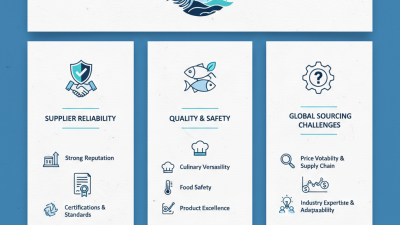
When purchasing seafood from China, global buyers must prioritize quality and sustainability. The global seafood market is projected to reach $155 billion by 2027, highlighting its growing importance. Chinese seafood products are becoming increasingly popular, but not all suppliers adhere to international standards. To ensure reliable sourcing, buyers should evaluate import certifications and compliance with hygiene regulations.
Tip: Always inspect the supplier’s quality management certifications. Certifications like HACCP and ISO 22000 can be indicators of a company’s commitment to food safety and quality. The sustainability of seafood sources is also crucial. The Marine Stewardship Council (MSC) reports that sustainably sourced products face less risk of overfishing, ensuring long-term availability.
Consider logistical aspects too. Seafood must be transported under strict temperature controls. Mishandling during transport can lead to spoilage. Ensure that your supplier uses tracked and monitored shipping methods. According to the Food and Agriculture Organization (FAO), improper handling accounts for up to 30% of seafood loss in transit. Assess your supplier's transport protocols carefully.
Tip: Request shipment tracking updates regularly to monitor the seafood’s conditions during transport. Being vigilant about these details can help mitigate risks and enhance your purchasing decisions. Keep in mind the importance of clear communication with suppliers to address any concerns promptly.