Why Do Global Buyers Choose Frozen Squid Fillet?
Global buyers choose Frozen Squid Fillet for a practical reason: it offers a versatile seafood ingredient that can be portioned, stored, and prepared with less daily handling. For importers and food-service teams, consistent sizing can simplify menu planning and purchasing. For processors, individually frozen portions can make stock control easier. The exact advantages depend on the supplier, product specification, and cold-chain performance.
A dependable product begins well before it reaches a buyer’s kitchen. Clear labeling, documented handling, suitable glazing, and intact packaging help buyers assess what they are purchasing. A fillet should look clean and firm after thawing, not dry at the edges or buried beneath excess ice. Small details matter. Yet frozen quality is not automatic; careless storage can still damage texture.
For transparency, the following quotation is an illustrative editorial line, not a verified statement from a real expert: “Good frozen squid earns trust through clear specifications and careful temperature control.” It is attributed here to fictional seafood technologist Maya Chen. Buyers should verify any expert quotation before publication, and verify product claims against supplier records. That extra step may feel slow. It is useful. Frozen Squid Fillet can suit many kitchens, but no single product fits every market, recipe, or budget. A careful comparison of origin, cut, pack size, and thawed yield gives buyers a stronger basis for choosing.
What Frozen Squid Fillet Is and How It Is Produced
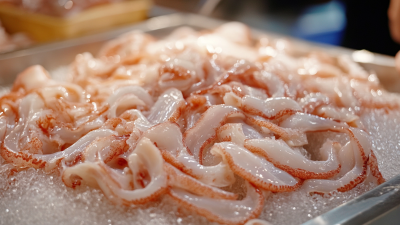
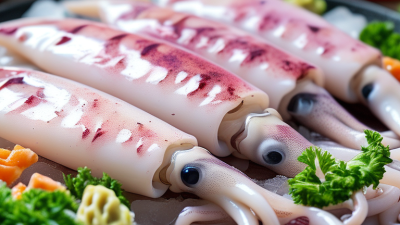
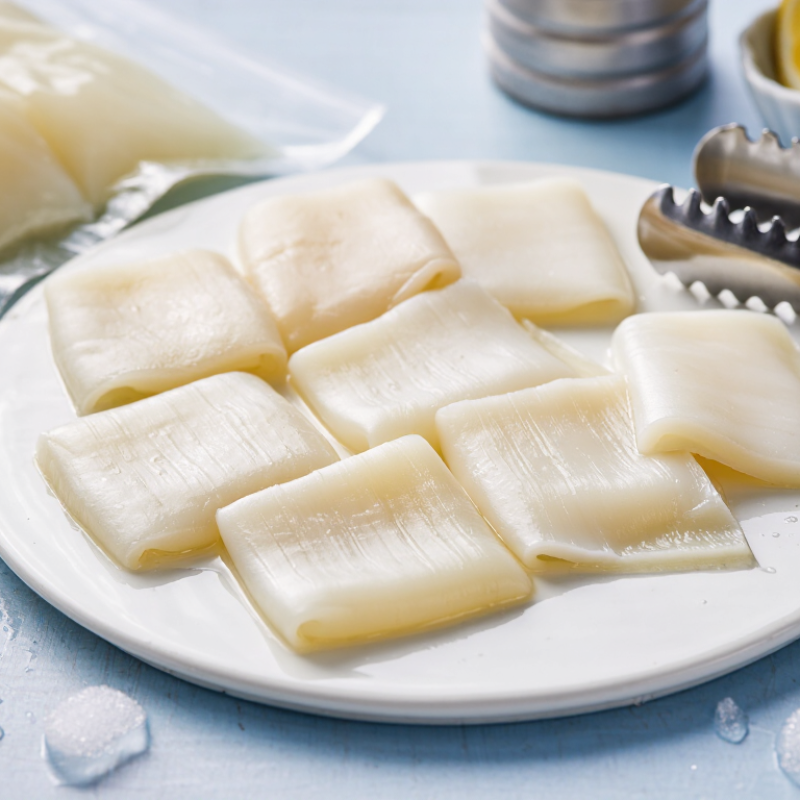
Frozen squid fillet is a cleaned portion of the squid mantle, often opened flat and trimmed. It may be sold whole, in portions, or as strips. Details matter. Color can range from ivory to pale pink, and the natural muscle texture may remain visible. These differences are not automatically defects; species, handling, and processing can affect appearance. Check the product description and condition after thawing, since “fillet” can describe several cuts.
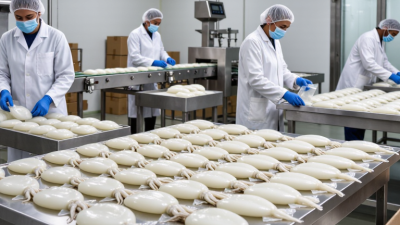
Production generally begins with sorting and cleaning freshly caught squid under controlled, hygienic conditions. The mantle is separated from other parts, then skin, membranes, and remaining tissue are removed as required. The fillets are rinsed, drained, and portioned. Clean cuts help, but trimming can vary between processors. The squid is then frozen, either individually or in blocks, to slow quality loss and preserve texture. Packaging protects it from drying and freezer damage during storage. Commercial cold stores commonly maintain frozen seafood at -18°C or colder, according to product specifications. Freezing does not make poor handling irrelevant; a steady cold chain still matters. For best texture, thaw fillets in a refrigerator and avoid leaving them at room temperature.
How Freezing Preserves Quality, Flavor, and Nutrition
Freezing helps squid fillets retain the qualities buyers look for: a clean ocean aroma, firm flesh, and mild flavor. When fillets are frozen soon after processing, low temperatures slow microbial growth and natural enzyme activity. They do not sterilize the seafood, though. Careful handling still matters.
Small crystals matter. Rapid, even freezing limits the formation of large ice crystals, which can damage muscle fibers and leave squid watery after thawing. In practice, texture also depends on raw material quality, packaging, and steady storage temperatures. A fillet that has partly thawed and refrozen may cook less evenly. That detail is easy to miss.
Freezing generally preserves squid’s protein and minerals, while its nutritional value depends on the product and how it is prepared. A protective ice glaze can reduce dehydration and surface oxidation during storage, but it should not be mistaken for extra edible flesh. For best results, thaw fillets slowly in the refrigerator, keep them covered, and cook them soon after thawing. The texture can still vary from batch to batch. That is worth checking.
How Consistent Specifications Support Food Processing
Frozen squid fillet suits processors when incoming lots behave predictably. A clear specification can define cut size, piece count, glazing, net weight, and acceptable temperature at receipt. These details help staff plan portioning, batter coverage, and cooking times. Small differences matter.
The wider seafood sector makes consistency commercially important. FAO’s The State of World Fisheries and Aquaculture 2024 reports 185.4 million tonnes of aquatic animal production in 2022; 89 percent was used for direct human consumption. This is a sector-wide figure, not a squid-specific demand estimate. It does show the scale of supply chains that depend on clear product descriptions and usable quality controls. For frozen squid, agreed inspection methods also help buyers compare shipments without treating gross weight as edible net weight.
Processing teams can check sample pieces for dimensions, visible ice, thaw drip, and texture before a production run. A lot that varies widely may slow packing or leave uneven portions on a tray. Still, specifications are not magic. Handling, freezing speed, and storage conditions can affect the product after it leaves the processor. A detailed sheet helps, but receiving checks remain necessary.
Why Frozen Storage Simplifies Global Sourcing and Distribution
Why Do Global Buyers Choose Frozen Squid Fillet?
Why Frozen Storage Simplifies Global Sourcing and Distribution
Frozen squid fillet lets buyers plan purchases beyond the short period when fresh landings are available. Processors can portion fillets, pack them in sealed cartons, and hold inventory for scheduled shipments.
That matters. A distributor can match carton sizes to a restaurant’s weekly use or a retailer’s freezer space, rather than relying on same-day supply.
The scale of aquatic food trade makes predictable handling valuable. FAO’s 2024 State of World Fisheries and Aquaculture reports 185.4 million tonnes of global aquatic animal production in 2022. Separately, FAO estimated that 14% of food is lost between harvest and retail across food supply chains.
Frozen storage is not a cure for loss, but stable temperatures and intact packaging can help protect product during longer storage and transport. Buyers should still check temperature records, glazing details, pack dates, and whether fillets remain separated or form a solid block.
Frozen supply also makes sourcing less tied to one landing window or shipping schedule. Importers can consolidate orders and keep buffer stock near processing or distribution hubs.
There is a trade-off: storage takes space, and temperature breaks can damage texture. A carton may look sound outside while fillets inside have partly thawed and refrozen. Clear lot identification and routine checks matter.
The system is practical, not effortless.
Where Buyers Use Frozen Squid Fillet and What They Evaluate
Frozen squid fillet serves restaurants, caterers, seafood processors, and retail kitchens that need a convenient ingredient. Restaurants may cut it into strips for stir-fries or grill portions for a seafood plate. Caterers often value pieces that thaw and portion predictably during busy service. Processors can use fillets in prepared meals, while retailers may offer them in consumer-sized packs. Each use has different needs. A food-service buyer may prioritize consistent portion size; a retailer may care more about clear labeling and easy storage.
Tips: Check the declared net weight, glaze information, pack size, and storage instructions. Keep the product frozen during transport, and thaw it under controlled refrigeration. After thawing, assess the odor and texture before preparation.
Buyers also compare fillet dimensions, appearance, packaging integrity, and expected cooking yield. Ask suppliers for product specifications and handling guidance, then test a sample in the intended recipe. A fillet that looks suitable in a carton may behave differently on a hot pan. Texture matters. So does trimming loss. No single specification fits every kitchen, and price alone can be a poor guide. Even careful checks cannot remove every variation between lots, so buyers should review incoming deliveries and keep their own acceptance records.