2026 Best Frozen Squid Meat Types for Global Buyers
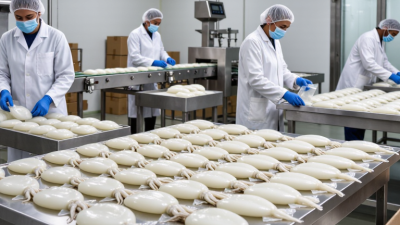
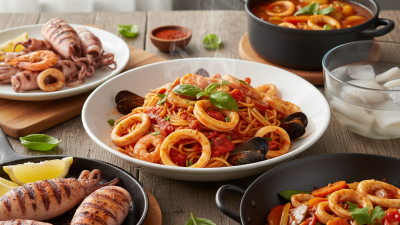
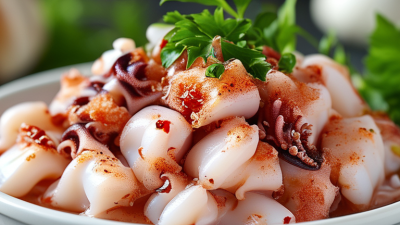
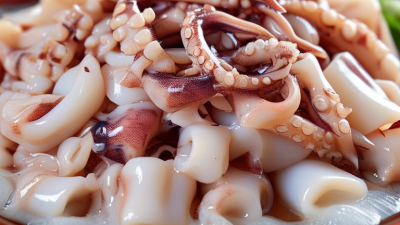
Choosing the right Frozen Squid Meat is rarely as simple as comparing prices. Global buyers must examine species, cut style, processing method, and cold-chain performance. Loligo squid often offers a mild flavor and tender texture. Illex and Todarodes may provide firmer meat and stronger yield. Tubes, rings, tentacles, and whole cleaned squid serve different foodservice and manufacturing needs.
Seafood market analyst John Sackton has said, “Quality is not a single test; it is the result of every decision from harvest to delivery.” This principle matters when reviewing the 2026 market. A bright white surface may look attractive, but excessive glazing can hide net weight. A low price may also reflect smaller sizes, broken pieces, or inconsistent cleaning. Buyers should check species names, catch area, processing date, glazing percentage, package weight, and storage temperature.
Details matter.
In practical sourcing work, IQF products usually support flexible portioning. Block-frozen squid can reduce costs for large-scale processing. However, neither format is automatically better. It depends on the buyer’s equipment, menu, and delivery schedule. Some suppliers also use food-grade phosphates, while others offer additive-free products. This difference should be declared clearly and tested against local requirements.
No single squid type fits every market. That is the uncomfortable part. A product that performs well in a Japanese restaurant may fail in a European breaded-seafood line. This guide compares the best Frozen Squid Meat types for global buyers, while recognizing that availability, sustainability data, and quality can change by season.
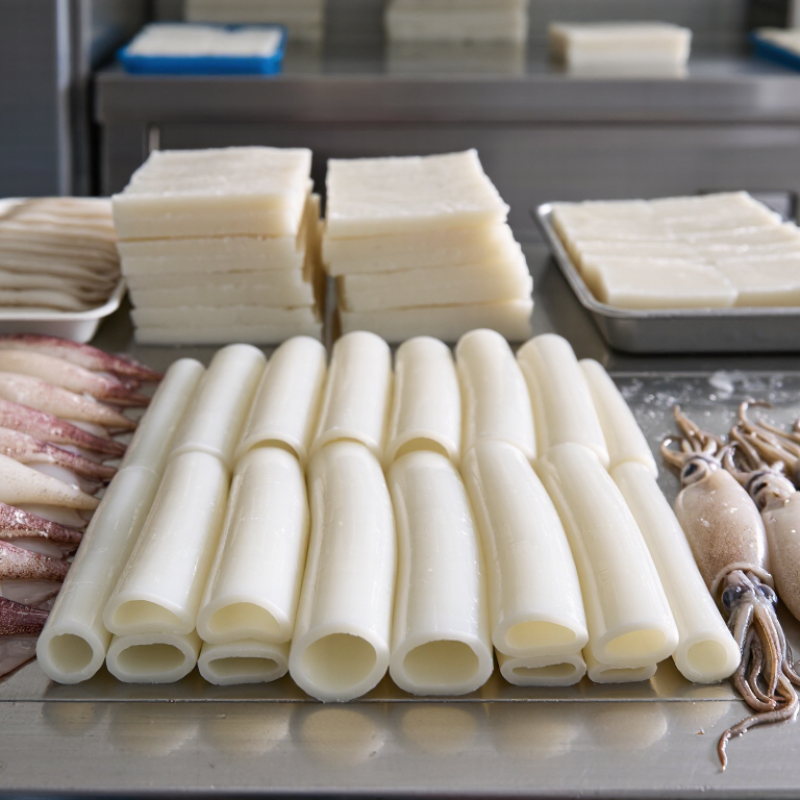
Squid Meat Species and Their Key Characteristics
Frozen squid meat varies sharply by species, habitat, and processing method. Global buyers should identify the scientific name, not only the trade description. Illex argentinus, commonly caught in the Southwest Atlantic, usually offers firm white meat and moderate bite. It suits rings, strips, and prepared seafood products. Dosidicus gigas grows rapidly in the eastern Pacific. Its meat is often thicker, darker, and stronger in flavor.
Todarodes pacificus is valued for its tender texture when handled quickly after landing. It appears in sliced products, tubes, and ready-to-cook formats. Loligo and Doryteuthis species are generally smaller and more delicate. Their clean taste works well in premium portions and lightly processed meals. FAO species fact sheets and NOAA fisheries profiles emphasize that size, maturity, and landing location can change texture considerably. Species names matter more than marketing language.
The FAO State of World Fisheries and Aquaculture 2024 reported about 185 million tonnes of aquatic animals produced globally in 2022. Capture fisheries supplied roughly half of that volume, keeping wild squid important for international sourcing. FAO GLOBEFISH market analyses also show that supply can shift with seasonal landings, fuel costs, and ocean conditions. Buyers should check glazing percentage, frozen block temperature, moisture treatment, and laboratory results. A perfect appearance can mislead. Some specifications remain incomplete, especially when suppliers provide only common names. That weakness deserves closer review.
Quality Standards for Selecting Frozen Squid Meat
For global buyers, frozen squid meat quality begins with species identity, temperature control, and processing records. FAO’s State of World Fisheries and Aquaculture 2024 reported 185 million tonnes of aquatic animal production in 2022. About 89% went directly to human consumption. This scale makes consistent inspection essential.
Keep the product at -18°C or colder throughout storage and transport, following Codex guidance for quick-frozen fishery products. Check core temperature, carton temperature, and data logger records separately. Meat should appear firm, naturally colored, and free from sour odors. Excessive yellowing, dehydration, freezer burn, or heavy drip loss suggests poor handling. Glazing protects the surface, but it can hide damaged flesh. Measure net weight after controlled thawing.
Species and cut must match the purchase specification. Tubes, rings, tentacles, and minced meat require different texture expectations. Confirm size grading, cleaning quality, foreign-material controls, and declared additives. Test moisture, phosphate use, microbiological safety, and chemical residues through qualified laboratories. The FDA Food Code and national import rules may apply additional controls.
The difficult lesson is simple. White meat is not automatically fresh. One weak receiving sheet can overlook temperature abuse, undeclared treatment, or mixed species. Require lot traceability, harvest information, processing dates, and corrective-action records. FAO FishStat trade data can support market checks, but buyer audits remain necessary. Quality decisions need evidence, not attractive packaging.
Storage, Handling, and Import Considerations for Buyers
Frozen squid meat is commonly traded as whole cleaned squid, tubes, rings, tentacles, and cooked portions. Each form needs different handling. Tubes and rings thaw faster because of their smaller size. Whole squid often protects texture better, but it requires more preparation at destination. FAO’s State of World Fisheries and Aquaculture 2024 reported 185 million tonnes of aquatic animal production in 2022, showing the scale of modern seafood logistics. Squid remains a sensitive product within that system. Cold chain discipline matters. Keep product at -18°C or colder, following Codex recommendations for frozen fishery products. Avoid repeated thawing. Frost inside cartons often signals temperature abuse or poor sealing.
Buyers should inspect core temperature, glazing percentage, drained weight, carton strength, and production dates before shipment. Excessive glaze can hide low net weight. This is easy to miss. The Codex Code of Practice for Fish and Fishery Products supports hygienic handling, rapid freezing, and protection from contamination. During receiving, use a calibrated probe on several cartons, not only the top layer. Import files should match the physical cargo, including species identification, processing method, net weight, origin, health documents, and applicable catch or traceability records. Check the destination authority’s current requirements before contracting. HS classification can differ by preparation and preservation method. A small mismatch may delay clearance. Buyers also need realistic storage plans: pallets should allow air circulation, doors should remain closed, and temperature records should be retained. Perfect procedures are rare, so documented corrective actions are more useful than optimistic assumptions.
2026 Best Frozen Squid Meat Types for Global Buyers
The chart compares common frozen squid meat formats using indicative commercial benchmarks for shelf life and glazing. Frozen squid should generally be maintained at −18°C or colder throughout storage and transport. Actual shelf life and glaze levels depend on species, processing method, packaging, cold-chain stability, and destination-country requirements. Buyers should verify product temperature, net weight, glaze declaration, lot traceability, and remaining shelf life before import.