2026 Best Frozen Squid Rings Suppliers for Bulk Buyers?
Finding dependable Frozen Squid Rings suppliers in 2026 takes more than comparing the price per carton. Bulk buyers need products that match their menu, processing requirements, and delivery schedule. A low quote may look attractive, but inconsistent ring sizes or excess ice glaze can change the usable yield.
This guide explains how to assess suppliers using practical, verifiable details. Compare cut specifications, declared glaze percentage, net weight, packaging format, and available product samples. Ask whether the rings are raw or cooked, individually quick frozen or block frozen, and packed in cartons suited to your storage space. Small details matter.
Request current product specifications and traceability information, then confirm how orders are packed and kept frozen during transport. A supplier’s answers should be clear and consistent. If a certificate or test report is relevant to your purchasing policy, verify its scope and validity rather than relying on a logo alone.
Price still matters. So does reliability. Compare quotations on equivalent product specifications, order quantities, and delivery terms. Even a polished specification sheet cannot guarantee that every shipment will be identical; that uncertainty deserves attention. Where possible, begin with a sample or trial order and record cooking performance, texture, and ring size. The suppliers featured in this article are starting points for comparison, not automatic endorsements. A careful buyer should confirm current availability, documentation, and suitability before committing to a bulk order.
What Frozen Squid Rings Are and How They Are Processed
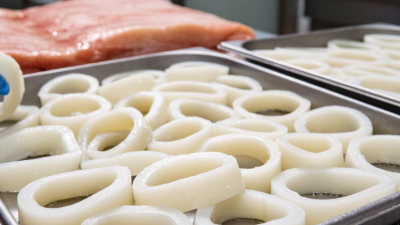
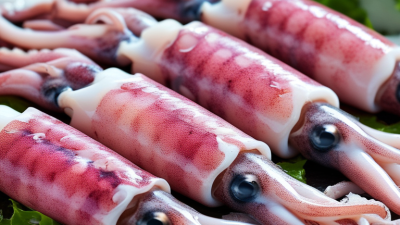
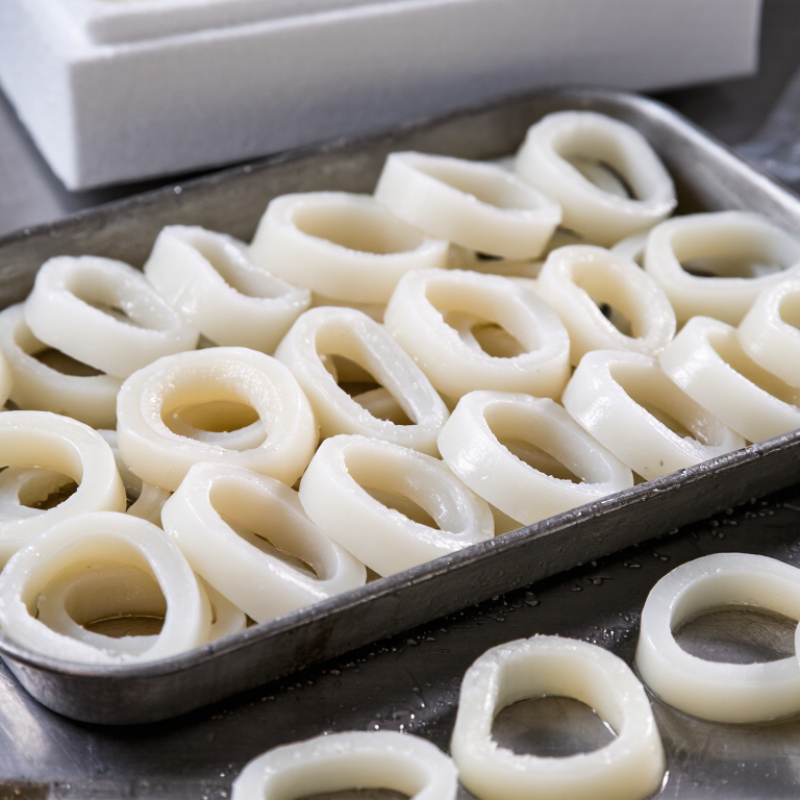
Frozen squid rings are circular slices cut from the squid’s mantle, the muscular body tube. They are sold individually quick-frozen or frozen in blocks, often raw and sometimes cooked. Ring size, species, and thickness affect cooking time and texture.
Small rings. Quick cooking.
Processing usually begins with sorting and washing. Workers remove the head and viscera, clean the mantle, and cut it into even rings. The rings are rinsed, drained, and frozen; some are glazed with a thin layer of ice to limit dehydration during storage. Individual quick freezing keeps pieces separate, while block freezing suits compact bulk packs. Freezing slows quality loss, but it does not sterilize seafood.
The Codex Alimentarius Standard for Quick Frozen Raw Squid (CXS 191-1995) provides a technical reference for this product category.
Scale matters. The FAO’s 2024 SOFIA report records about 4.9 million tonnes of global cephalopod capture in 2022, including squid, cuttlefish, and octopus—not squid rings alone. For bulk buyers, that figure signals a broad raw-material category, not a guarantee of steady supply or identical quality. Check the species, ring diameter, glazing, net weight, and whether the rings are raw or cooked. A ring can look neat in a frozen sample yet turn rubbery after overcooking.
That detail is easy to overlook.
Key Product Specifications for Bulk Frozen Squid Rings
For bulk frozen squid rings, specify the squid species and cut style before comparing prices. Ring diameter, thickness, and size count per kilogram affect portion control and cooking time. Ask whether rings are individually quick frozen or block frozen; IQF pieces are easier to separate during service. Small differences matter. Request the glaze percentage and confirm whether quoted weight is net product weight or includes ice. A clear label should also show pack size, production date, lot code, and storage guidance. Confirm the product is maintained at -18°C or colder where appropriate for your cold chain.
Specifications should match the intended use. Thin rings may suit quick frying, while thicker cuts can hold their shape better in sauces. Ask for a sample from a recent batch and check thawed texture, odor, and excess water loss. Request species and origin details, processing information, and available quality records for the lot. Ask for evidence. One detail buyers sometimes underweight is consistency between shipments; a useful specification sheet should state acceptable size variation and glaze range. Even then, samples may not represent every carton, so retain receiving checks. No single ring size is ideal for every kitchen.
How to Evaluate Suppliers for Quality and Reliability
2026 Best Frozen Squid Rings Suppliers for Bulk Buyers?
How to Evaluate Suppliers for Quality and Reliability
A dependable supplier can show how each lot moved from vessel to freezer. Ask for harvest-area details, processing dates, lot codes, and temperature records. Check rings while still frozen: they should be distinct, clean-looking, and free from heavy ice clumps or dry, discolored edges. Request the declared net weight and glaze percentage, then compare them with a thawed sample. Small differences matter across a bulk order. FAO’s SOFIA 2024 report estimates that 89% of aquatic animal production in 2022 was used for human consumption. That scale makes traceability and consistent handling practical buying concerns, not paperwork extras.
Tips: Request a sample from the same production lot you plan to buy. Ask for recent microbiological and sensory test results, plus written procedures for temperature control and complaints. Compare answers, not just prices. A polished certificate is useful, but it cannot replace a physical inspection.
For cold-chain practices, use the Codex Code of Practice for Fish and Fishery Products as a reference point. Confirm the supplier can maintain frozen conditions during storage and shipment, and ask how temperature excursions are documented. Review delivery history, lead times, and procedures for short shipments or damaged cartons. Then check whether specifications are stated clearly in the purchase documents. Supplier claims can sound reassuring; still, vague terms like “premium quality” deserve a follow-up question. Even experienced buyers miss details when schedules are tight.
Comparing Pricing, Certifications, and Shipping Options
For bulk buyers, a low quote means little until the specification is clear. Compare the squid species, ring size, glaze percentage, net weight, pack format, and origin. Glaze protects frozen seafood, but excessive ice can shrink the usable yield. Ask suppliers to state both gross and drained weights. Small details matter.
FAO’s SOFIA 2024 report puts global fisheries and aquaculture production at 223.2 million tonnes in 2022, including 185.4 million tonnes of aquatic animals. It also reports that about 38% of aquatic animal production entered international trade. That scale makes traceability and dependable cold-chain handling essential. For wild-caught squid, request catch-area and lot records, plus processing-site documentation. Check whether any sustainability certification covers the specific fishery; a certificate alone does not prove every shipment matches its scope.
Shipping quotes should identify the port, Incoterm, reefer charges, and responsibility for temperature monitoring. Ask for a loading temperature record and confirm the agreed frozen storage target, commonly -18°C or colder. Sea freight usually suits planned, larger orders; air freight can reduce transit time but often costs more. I would compare landed cost per kilogram, not just the product price. And allow room for delays. A neat quote cannot remove port congestion or temperature risks.
How to Verify and Manage a Bulk Supplier in 2026
A reliable frozen squid rings supplier should be verifiable before a large order is placed.
Request a current product specification showing ring size, glazing percentage, net weight, packing format, and storage temperature. Compare those figures with a representative sample, not just a sales sheet. Check whether the rings stay separate after thawing and whether their coating or texture matches your intended use.
Small differences matter.
Ask for recent quality records, lot identification details, and a clear process for handling damaged or temperature-affected shipments.
Supplier management continues after approval. Agree on order forecasts, production lead times, shipment updates, and procedures for reporting discrepancies. For each delivery, record carton condition, lot codes, arrival temperature, and any weight checks; keep photos when something looks wrong. A simple shared log can reveal recurring delays or specification drift.
One detail is easy to miss: confirm that the supplier can maintain the same specifications during peak demand, not only for a trial order.
I would not treat a polished sample as proof of consistent performance. Review results over several shipments, and revisit expectations when your volume or product requirements change.