2026 Top Frozen Squid With Sauce Types for Global Buyers
Global buyers are entering 2026 with higher expectations for convenience, traceability, and consistent seafood quality. Frozen Squid With Sauce fits this demand by combining cleaned squid portions with ready-to-use seasonings. It can reduce kitchen preparation and simplify menu planning. Yet, product performance depends on more than attractive packaging.
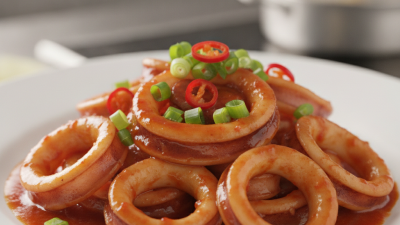
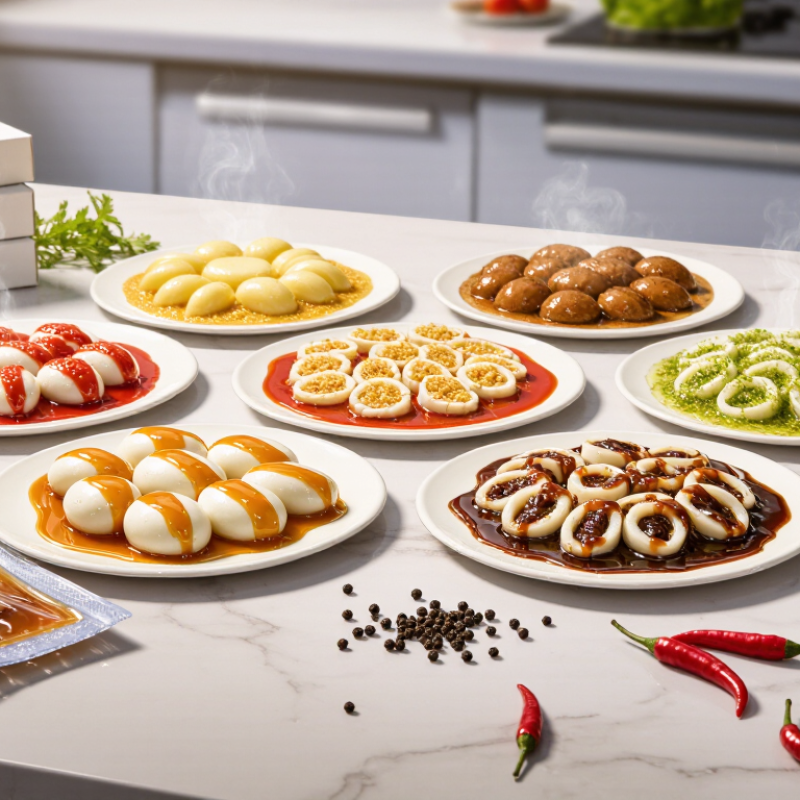
This guide explores leading Frozen Squid With Sauce types for restaurants, retailers, foodservice distributors, and importers. Common choices include spicy chili, garlic butter, teriyaki, tomato-based, black pepper, and mild herb sauces. Each option creates a different eating experience. A glossy chili sauce may suit hot noodle dishes, while garlic butter can complement grilled squid and rice. Texture matters too. Rings should remain tender, not rubbery, after reheating. Sauce coverage should look even inside the sealed pack.
Experienced buyers should examine squid species, cut size, glazing percentage, net weight, cooking instructions, and storage conditions. Reliable suppliers should provide batch details, ingredient declarations, allergen information, and traceability documents. Cold-chain discipline remains essential from factory dispatch to the buyer’s freezer. Small temperature changes can damage texture. Sometimes, the carton looks perfect, but the product tells another story.
This overview also considers packaging formats, private-label opportunities, portion sizes, and regional taste preferences. It does not treat one sauce as universally superior. Markets differ. A sauce popular in Southeast Asia may need adjustment for European or North American consumers. Buyers should request samples, review laboratory and quality records, and test products under real kitchen conditions. No ranking can replace direct evaluation. That is an important limitation. Still, the following categories can provide a practical starting point for responsible sourcing in 2026.
Frozen Squid With Sauce: Product Definition and Main Categories
Frozen Squid With Sauce: Product Definition and Main Categories
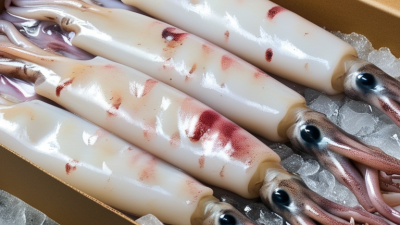
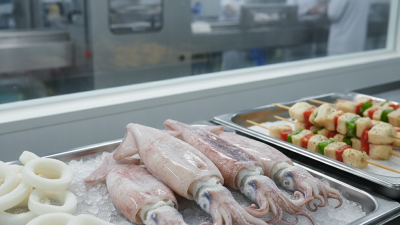
Frozen squid with sauce is a prepared seafood product made from cleaned squid and a seasoned sauce. The squid may include tubes, rings, strips, or tentacles. Producers usually apply the sauce before freezing, allowing flavor to remain close to the surface. Most products are stored at -18°C or below. The exact temperature and shelf life should follow the supplier’s specification.
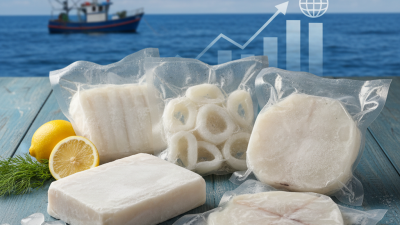
The main categories differ by squid cut and sauce profile. Ring and tube products suit stir-fries, rice bowls, and quick-service meals. Tentacle products offer a firmer bite and a more distinctive appearance. Common sauces include spicy chili, garlic, black pepper, tomato, and sweet soy-style blends. Some products are individually quick frozen, while others are packed in solid blocks. IQF packs can reduce waste during portioning, although block formats may lower handling costs.
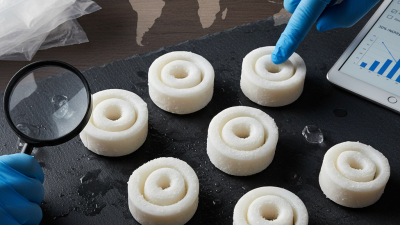
From practical quality checks, buyers should inspect glaze, sauce coverage, odor, and thawed texture. Excessive ice can hide dehydration or uneven coating. A clean seafood smell is expected; strong ammonia-like odor is not acceptable. Labels should clearly state squid species, ingredients, allergens, net weight, and storage conditions. The category is not perfectly standardized. Sauce thickness, heat level, and cut size can vary widely between processors. Samples remain important, because attractive photos cannot confirm cooking performance or texture.
Popular Sauce Types for Different Global Buyer Preferences
Frozen squid with sauce is gaining attention among global buyers in 2026. Preferences often depend on climate, cooking habits, and local flavor expectations.
Mild garlic sauce suits households seeking a clean seafood taste. It works well with rice, noodles, and quick pan cooking.
Chili sauce attracts buyers who prefer heat and stronger aromas. However, heat tolerance varies widely, even within one market.
Tomato-based sauce offers familiar color and acidity. It can perform well in retail meals and foodservice portions.
Soy-based sauce provides umami and pairs naturally with vegetables. Creamy sauces may appeal to Western-style prepared food channels, but freezing can affect texture.
Tips: Ask buyers about spice levels, sauce viscosity, and serving methods before confirming samples. Check whether the squid remains tender after thawing and reheating. A sauce that looks attractive in a cup may separate after storage. That detail matters.
Review ingredient declarations, allergen controls, net weight, glazing percentage, and cold-chain records with qualified suppliers. These checks support reliable purchasing and reduce surprises during import inspection.
Packaging size also reflects buyer behavior. Small portions suit convenience stores and home cooks.
Larger packs fit restaurants and catering kitchens. I have found that color alone can mislead buyers; a bright sauce does not guarantee balanced flavor.
Sampling with local dishes gives better evidence. Some trials fail because the sauce dominates the squid. Others lack aroma after reheating.
Adjustments may be needed, and that is normal. Temperature stability should be tested before long-term orders.
Key Quality, Packaging, and Storage Standards for Buyers
2026 Top Frozen Squid With Sauce Types for Global Buyers
Global buyers should treat frozen squid with sauce as a controlled cold-chain product, not a simple seafood item. FAO’s 2024 State of World Fisheries and Aquaculture report recorded about 185 million tonnes of global aquatic animal production in 2022. This scale increases the need for consistent specifications, especially for squid packed with garlic, spicy, teriyaki, or tomato-based sauces.
The product should reach a core temperature of -18°C or colder after freezing. Codex standards for quick-frozen fish products also emphasize sanitary handling, proper labeling, and protection from dehydration. Buyers should check squid size, cleaned yield, sauce ratio, glazing percentage, and drained weight. A carton may look full, yet contain excessive ice or uneven sauce coverage. That needs attention.
Use food-grade, moisture-resistant inner bags and strong corrugated cartons. Vacuum packing can reduce freezer burn, but weak seals may fail during long-distance transport. Each case should show the lot number, production date, net weight, ingredients, allergens, and storage instruction. FAO guidance consistently identifies temperature control as essential for seafood quality. Keep pallets off the floor and away from freezer doors. A data logger is useful, though it cannot replace physical inspection. Buyers should request temperature records, microbiological test results, and photographs of sealed cartons. Even experienced importers sometimes trust documents too quickly. The carton tells only part of the story.
2026 Top Frozen Squid With Sauce Types for Global Buyers
Key quality, packaging, and storage standards for international purchasing decisions
Quality
Look for intact squid texture, clean odor, uniform sauce coverage, and no evidence of repeated thawing and refreezing.
Packaging
Use food-contact packaging with a strong moisture barrier, secure seals, clear lot coding, ingredient declarations, and net weight stated separately from glaze.
Storage
Keep quick-frozen squid products at −18°C or colder throughout storage, transport, retail, and delivery.
Benchmark: −18°C or colder follows the Codex General Standard for Quick Frozen Foods. Sauce formulation does not remove the frozen cold-chain requirement.
How to Compare Suppliers, Certifications, and Import Requirements
2026 Top Frozen Squid With Sauce Types for Global Buyers
When comparing frozen squid suppliers, inspect more than sauce flavor and price. Ask for species details, harvest area, processing date, and storage temperature. A reliable supplier should provide traceable lot numbers and clear product specifications. Check whether the squid is whole, sliced, or stuffed. Sauce ingredients also matter. They may affect allergens, sodium levels, and import approval.
Request current food safety certificates from recognized certification bodies. Verify the factory address, certificate scope, expiry date, and covered products. HACCP-based controls should address receiving, cooking, freezing, metal detection, and cold storage. Ask for recent laboratory results covering microbiological safety, heavy metals, and additives. Documents can look complete but still miss the exact production site. I have seen this issue delay otherwise promising shipments.
Tips: Compare suppliers using one shared checklist. Confirm the correct customs classification with your broker. Review destination-country rules for health certificates, labeling language, allergen declarations, net weight, glazing percentage, and country of origin. Keep frozen transport at the required temperature, commonly -18°C or colder. Request temperature records and packaging photos before loading. A small pilot shipment is useful. It exposes weak cartons, sauce separation, or unclear labels before larger commitments. Mistakes still happen. Careful verification reduces their cost.