Inquiry
Form loading...

China Top Frozen Squid Tube Suppliers for Global Buyers

Global buyers need more than a low Frozen Squid Tube price. They need consistent sizing, reliable cold-chain handling, and transparent supplier communication. A carton may look uniform, yet hidden differences appear during thawing. Some tubes curl, split, or release excess water in the pan. That detail matters to processors, retailers, and restaurant kitchens.

Dr. Steven Otwell, a seafood safety specialist and professor emeritus at the University of Florida, has said, “Seafood quality depends on controlling time and temperature from harvest to consumption.” His principle remains practical for international squid sourcing. Leading suppliers should document harvest areas, processing dates, glazing ratios, storage temperatures, and export certifications. They should also explain whether tubes are cleaned, skinless, individually quick frozen, or block frozen.

The strongest suppliers combine processing experience with measurable quality controls. Buyers should inspect sample cartons, not rely only on product photographs. Look for firm texture, clean ivory color, minimal freezer burn, and limited ice buildup. Ask for laboratory reports when required. Check traceability records carefully.

Still, no supplier performs perfectly in every season. Squid size, landing conditions, freight delays, and market demand can change results. That uncertainty deserves honest discussion. A dependable supplier will acknowledge limitations and propose workable alternatives. This guide examines China’s leading Frozen Squid Tube suppliers, their production capabilities, export experience, documentation practices, and suitability for global buyers. Some comparisons may remain imperfect. Real purchasing decisions require samples, audits, and direct verification.
China Top Frozen Squid Tube Suppliers for Global Buyers

Frozen Squid Tubes: Product Types, Sizes, and Quality Standards

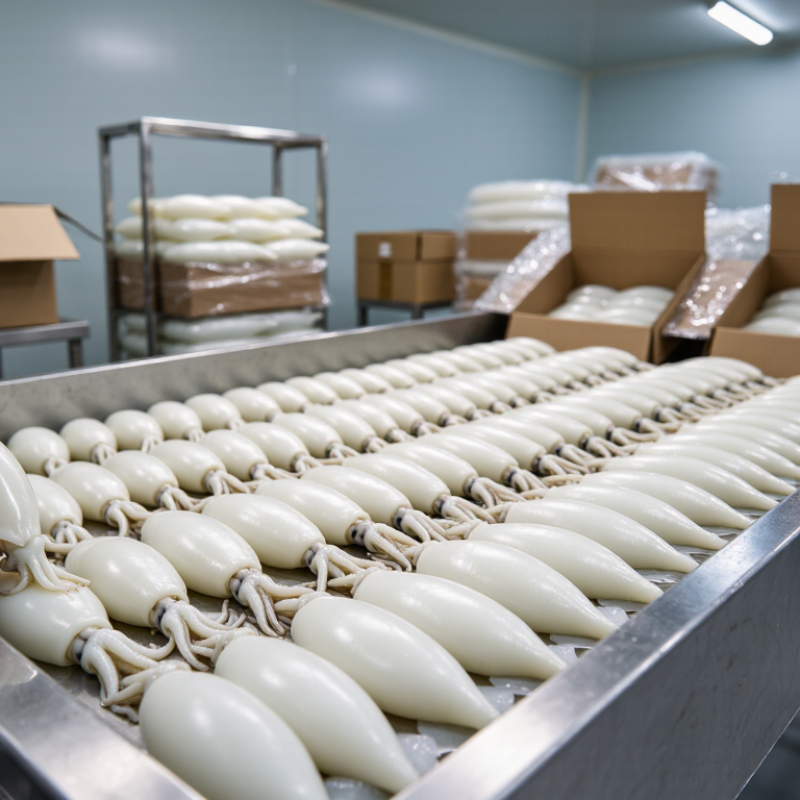
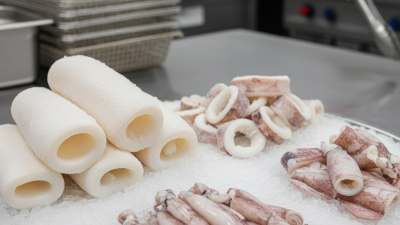
Frozen squid tubes are prepared from cleaned squid bodies, with tentacles removed. Common product types include skinless tubes, unpeeled tubes, sliced rings, and seasoned portions. Skinless tubes suit restaurants and food manufacturers because they reduce preparation time. Sliced rings work well in fried dishes, soups, and ready-to-cook meals.

Sizes usually follow piece counts per kilogram, such as 10/20, 20/40, or 40/60 pieces. Smaller numbers indicate larger tubes. Buyers should also check tube length, thickness, glaze percentage, and net weight. A bright, firm tube is a useful quality sign. It should smell fresh, not strongly ammoniacal. Color can vary naturally. That point is often overlooked.

Tips: Request product samples before large orders. Compare drained weight, not only carton weight. Confirm storage at -18°C or below, cold-chain records, and production dates. Reliable suppliers should provide traceability documents, processing details, and test results for microbiological safety, heavy metals, and additives. Standards such as HACCP, ISO 22000, or equivalent systems can support supplier evaluation, but certificates alone are not enough. Inspectors should review recent reports and facility practices. Even experienced buyers can miss glaze differences between lots. Clear specifications prevent costly surprises.
How to Evaluate China’s Frozen Squid Tube Suppliers

Evaluating China’s frozen squid tube suppliers requires more than comparing prices. Start with product specifications. Confirm species, catching area, tube length, grading method, glazing percentage, and net weight. A reliable supplier should provide clear batch records and recent inspection reports. Ask for photos of cartons, inner bags, and frozen product surfaces. Frost buildup can reveal weak temperature control.

Cold-chain performance deserves close attention. Request storage temperatures, loading procedures, and shipping records. Frozen squid tubes should remain consistently frozen, usually near -18°C during storage and transport. Check whether the supplier monitors temperature with calibrated devices. Review food safety certifications, export documentation, allergen controls, and traceability procedures. These details show operational discipline, not just sales confidence.

Order samples before signing a large contract. Thaw them under controlled conditions and check odor, color, texture, breakage, and excess water. Compare the declared glazing rate with the actual drained weight. Small differences become expensive across a full container. Communication also matters. Can the supplier explain defects without avoiding the question? I have found that fast replies do not always mean strong quality control. One overlooked issue is packaging strength during humid port handling. Request a corrective-action process, but keep expectations realistic. No supplier performs perfectly every time. Reliability grows when problems are recorded, investigated, and corrected with evidence.

Processing, Freezing, and Packaging Requirements

Reliable frozen squid tube suppliers begin with disciplined raw material handling. Fresh squid should arrive chilled, intact, and free from unusual odors. Processors inspect size, skin condition, cleanliness, and muscle firmness before trimming. Tubes are cleaned carefully, with digestive residues removed without damaging the flesh. Water quality and sanitation records should be available for buyer review.

Freezing speed affects texture. Individual quick freezing can separate pieces and reduce handling damage. Block freezing may suit larger foodservice orders. The product should reach a stable core temperature of -18°C or below. Cold chain matters. Temperature logs should follow the shipment from processing rooms to export storage. A perfect-looking tube can still suffer from hidden temperature abuse. Suppliers need validated controls, not only attractive photographs.

Packaging must protect the tubes from dehydration, odor transfer, and crushing. Food-grade inner bags, strong cartons, and secure sealing are practical requirements. Each carton should show product description, net weight, production date, lot code, storage conditions, and origin details.

Traceability should connect the lot to processing and freezing records. Buyers should also confirm glazing percentage, size tolerance, moisture limits, and inspection methods. Small gaps matter. Some specifications are treated as permanent, but seasonal squid quality can change. Open communication and updated inspection records make contracts more reliable.

Export Documents, Food Safety, and Cold Chain Logistics

China Top Frozen Squid Tube Suppliers for Global Buyers: Export Documents, Food Safety, and Cold Chain Logistics

Reliable frozen squid tube sourcing depends on more than size, glazing, and price. Exporters should prepare a commercial invoice, packing list, bill of lading, certificate of origin, and official health certificate. Wild-caught products may also require catch documentation, depending on the destination market. FAO’s SOFIA 2024 report recorded 185.4 million tonnes of global aquatic animal production in 2022. This scale increases the need for traceable records and consistent supplier controls.

Food safety begins before loading. Suppliers should follow the Codex Code of Practice for Fish and Fishery Products, including hazard analysis, sanitation checks, and foreign-material control. Frozen squid tubes should normally remain at -18°C or colder throughout storage and transport. Temperature records should cover factory dispatch, container loading, port handling, and final delivery. A single missing record can weaken a buyer’s claim. It happens more often than expected. Buyers should also review lot codes, production dates, glazing percentage, species names, and microbiological test results. These details expose differences between a polished quotation and dependable supply.

Tips: Request a recent loading temperature log and a sample document package before ordering. Confirm destination-specific certificates with the importer or customs broker. Inspect carton labels carefully. Small errors delay clearance. An independent pre-shipment inspection adds confidence, although it cannot replace continuous cold-chain monitoring. Suppliers should disclose weaknesses rather than promise perfect control. That honesty is often more valuable.

China Frozen Squid Tube Suppliers: Cold-Chain Planning Targets

Reference temperature targets for frozen squid tube export shipments. The international frozen-food benchmark is −18°C or colder; lower operational setpoints provide additional protection during loading and transport.

How buyers can use this chart:
  • Frozen storage and retail handling should maintain the product at −18°C or colder.
  • A blast-freezer setpoint around −35°C is a practical processing target, while −20°C is a common transport planning setpoint.
  • A typical export document package may include a commercial invoice, packing list, bill of lading, customs declaration, health or sanitary certificate, and certificate of origin when required by the destination market.
  • Temperature records, container pre-cooling evidence, seal details, and temperature logger data help buyers verify cold-chain integrity.

Reference: Codex Alimentarius, CXC 52-2003 Code of Practice for Fish and Fishery Products; EU Directive 89/108/EEC on quick-frozen foodstuffs. Processing and transport values are operational planning targets, not supplier-specific claims.

Comparing Prices, Minimum Orders, and Supplier Reliability

China’s frozen squid tube market offers wide price ranges, but a low quote rarely tells the whole story. In my sourcing checks, prices often vary with tube size, glazing percentage, packing format, and seasonal catch conditions. A practical comparison should use identical specifications. A cheaper carton may contain more protective ice and less usable squid.

Minimum orders also deserve close attention. Many suppliers accept trial quantities for standard cuts, while customized packaging may require several hundred cartons. Ask whether the MOQ applies per size, label, or shipment. This detail changes the real purchasing cost. Smaller buyers may pay more per kilogram but reduce storage pressure and product risk. I once overlooked mixed-size limits, and the resulting order was harder to sell.

Reliability is measured through evidence, not polished replies. Request current product specifications, batch photos, processing dates, cold-chain records, and independent test reports where appropriate. Confirm export documents and temperature controls before payment. A dependable supplier explains defects, replacement terms, and loading schedules clearly. Communication speed helps, but consistency matters more. Sample approval should include thaw loss, odor, texture, and tube cleanliness. One test is not enough. Recheck performance after transport, because a strong sample can hide weak handling. Keep notes on carton weight, arrival temperature, and response time. Small omissions can become expensive lessons.