Finding China’s top Seafood Food suppliers requires more than comparing prices on a directory. Quality begins with evidence.
The FAO’s State of World Fisheries and Aquaculture 2024 reported 185.4 million tonnes of aquatic animals produced globally in 2022. Aquaculture supplied about 51% of that volume. This growth creates opportunity, but it also increases supplier-selection risks. A factory may show polished product photos while hiding weak traceability, unstable cold storage, or limited export experience.
Look beyond the catalogue.
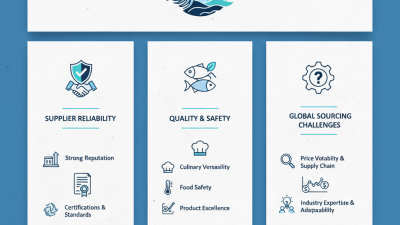
A reliable sourcing process should examine HACCP systems, ISO 22000 certification, processing capacity, laboratory testing, cold-chain records, and country-specific export documents. Request recent audit reports. Check batch codes on physical samples. Confirm whether the supplier owns its facility or uses undisclosed subcontractors. The details matter.
Manuel Barange, Director of FAO’s Fisheries and Aquaculture Division, has emphasized that “aquatic foods are essential for healthy diets, livelihoods and economies.” His point applies directly to supplier evaluation: seafood is not merely a commodity. It is a perishable food system involving workers, ecosystems, transport, and consumer safety.
Still, no supplier directory is perfect. Certifications can expire. Production claims can change. Even a strong factory may fail during a peak season. Buyers should therefore compare several Chinese suppliers, conduct video or in-person audits, and begin with a controlled trial order.
The best partner is not always the cheapest. It is the supplier that can repeatedly prove origin, safety, consistency, and responsible production. This guide explains how to identify that partner with practical checks and better questions.
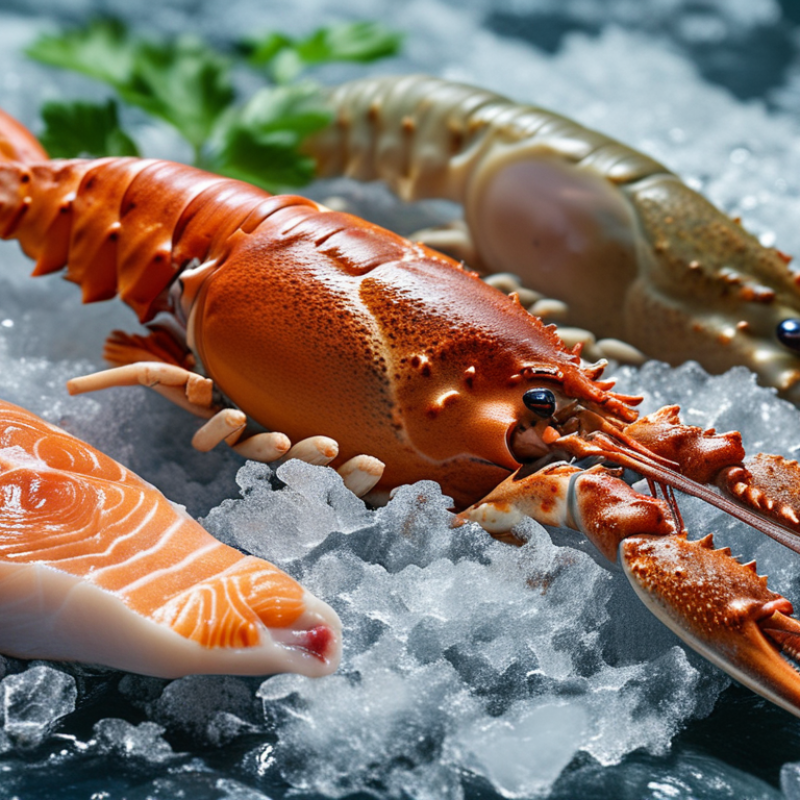
Define your seafood sourcing needs before contacting suppliers in China. Specify the species, scientific name, origin, cut, size, grade, and processing method. Frozen fillets, whole fish, peeled shrimp, and live products require different controls. State your expected monthly volume and acceptable delivery schedule. Small details matter.
Import requirements should be written into the initial inquiry. Check your destination’s rules for approved facilities, health certificates, residue limits, labeling, and temperature records. Confirm the correct HS code with a qualified customs professional. Ask suppliers for recent inspection reports, traceability documents, product specifications, and cold-chain records. A serious supplier should explain how products move from receiving to blast freezing and final loading.
Request samples from the same production line used for commercial orders. Compare texture, glaze percentage, net weight, smell, and packaging strength. Use an independent laboratory when risk or volume justifies the cost. Audit records alone are not enough. A first specification is rarely perfect; packaging may fail after a long sea journey, or the cut may vary more than expected. Revise your purchase agreement after testing. Include tolerances, inspection methods, corrective actions, and shipment temperature requirements. Communication can still be unclear, especially when technical terms are translated. Keep photos, approved samples, and signed specifications in one controlled file.
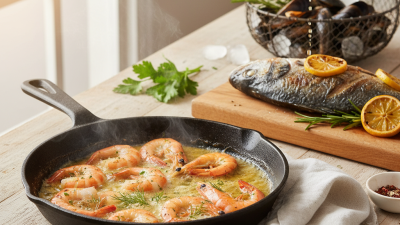
China’s seafood supply is concentrated along its eastern and southern coasts. Shandong and Liaoning are strong in cold-water species, processing, and frozen products. Fujian and Guangdong offer aquaculture, shellfish, and warm-water seafood. Zhejiang and Hainan also support important farming and processing networks.
Regional selection should match the product. Farmed shrimp may come from Guangdong or Fujian ponds, while scallops and mussels are common around northern coastal farms. According to the FAO’s The State of World Fisheries and Aquaculture 2024, China produced about 36% of global aquatic animals in 2022. It also represented roughly 58% of global aquaculture output. These figures show scale, but scale can hide differences.
Supplier type matters just as much. Farms provide origin control and production records. Processing factories offer grading, cleaning, freezing, and export preparation. Trading companies may provide wider product choices, but traceability can be less direct. Cold-chain distributors are useful for smaller orders and mixed shipments. I would not treat every coastal supplier as a producer. That assumption often causes confusion.
Tips: Ask for the farm location, processing address, species name, harvest season, and recent inspection records. Compare these details with certificates and shipping documents. Request a small sample before discussing large volumes. Check temperature records during transport. A polished website proves little. The China Fishery Statistical Yearbook and FAO reports can help verify regional claims, although local data may change yearly.
Finding China’s top seafood food suppliers requires more than comparing prices. Begin with verified company records, a traceable factory address, and a clear export history. Request business licenses, processing permits, and recent audit reports. Then check whether the documents match the actual supplier and facility. Paperwork is not proof.
Product quality deserves direct testing. Ask for species identification, harvest area, production date, net weight, and storage temperature. Independent laboratory reports should cover relevant microbiological and chemical indicators. Inspect sample packaging for intact seals, readable labels, and signs of thawing. A frozen shipment should arrive hard, clean, and below the agreed temperature. Details matter.
Certifications can strengthen trust, but only when their scope is relevant. Verify the certificate number, issuing body, expiration date, and covered production site. Standards such as HACCP or ISO 22000 may show structured food-safety controls, yet they cannot replace your own inspection. A remote video tour is useful, but it may hide storage congestion or weak sanitation. In practice, a small trial order reveals more than a polished presentation. Record delivery temperature, product consistency, response speed, and complaint handling. I have learned that an attractive sample can create false confidence. Suppliers should welcome reasonable questions and provide consistent evidence. If records conflict, pause the purchase and investigate before committing to larger volumes.
Finding a reliable Chinese seafood supplier requires more than comparing a price list. Start with species, harvest area, cut, glazing percentage, and pack size. Ask for product specifications, laboratory reports, and traceability records. A factory should explain how seafood is received, sorted, frozen, packed, and stored. Request photographs of processing rooms and cold-storage thermometers. Better evidence comes from a live video audit or independent inspection. Do not trust polished documents alone. Small details matter.
Compare prices on equal terms. Check whether quotes include processing, packaging, inland delivery, export documents, and port charges. A lower price may hide heavier ice glazing or smaller net weight. Ask for a sample carton and weigh the drained product. Then compare texture, odor, color, breakage, and label accuracy. I have learned that the cheapest offer often creates the most expensive correction. Still, one carton cannot represent seasonal quality. Record every finding in a simple comparison sheet.
Minimum orders also deserve careful negotiation. A supplier may accept a small trial order but charge more for custom bags or special cuts. Confirm production lead time, payment stages, replacement terms, and shelf life at shipment. Logistics must protect temperature from factory to destination. Request loading temperature, reefer settings, pallet count, carton dimensions, and transit time. Build a plan for port delays and inspection holds. Frozen seafood is unforgiving. A one-day delay can damage quality. One successful shipment does not prove consistent performance.
Request Samples and Establish a Secure Long-Term Supply Agreement
Finding reliable seafood suppliers in China requires more than comparing online quotations. Request samples from several qualified factories and describe your target species, size, processing method, packaging, and delivery temperature. Ask for production dates, storage conditions, test reports, and traceability records. A sample should arrive in insulated packaging with sufficient ice or validated cooling materials. Check its color, smell, texture, glaze percentage, and label accuracy after controlled thawing.
Do not judge quality from one box alone. A perfect sample can mislead. Request samples from different production batches and record the results with photographs. Independent laboratory testing may verify microbiological safety, heavy metals, residues, and nutritional claims. Review the supplier’s cold-chain procedures, export experience, facility hygiene, and quality-control staff. A remote video tour helps, but an on-site audit offers stronger evidence.
Once the supplier passes these checks, negotiate a written supply agreement. Include product specifications, acceptable tolerances, inspection procedures, packaging standards, delivery schedules, temperature requirements, payment terms, and remedies for rejected goods. Define responsibility for delays, damaged cartons, customs documents, and unexpected quality changes. Ask for advance notice before replacing raw materials or processing methods. Keep communication records and approve every label design before production. Trust develops slowly. Even experienced buyers sometimes overlook seasonal variation or hidden freight costs, so review the agreement after the first shipment and adjust weak clauses while evidence is still fresh.
Request product samples and evaluate suppliers against practical criteria before establishing a secure long-term supply agreement.
The weighted qualification model prioritizes product quality, food-safety documentation, traceability, cold-chain capability, delivery reliability, and contract transparency. Request samples first, verify supporting records, and use the results to define inspection, payment, quality, and delivery terms in the long-term agreement.