How to Source Frozen Squid With Sauce Globally?
Sourcing Frozen Squid With Sauce globally requires more than comparing supplier prices. Buyers must connect species, processing methods, cold-chain controls, and destination-market requirements. FAO’s State of World Fisheries and Aquaculture 2024 reported 185.4 million tonnes of aquatic animal production in 2022. That scale confirms strong supply potential, but it also hides major differences between origins, seasons, and product forms.
A reliable sourcing process begins with clear specifications. Define squid species, glazing percentage, sauce recipe, net weight, packaging format, and target shelf life. Ask suppliers for HACCP plans, microbiological results, allergen declarations, traceability records, and recent third-party audit reports. Codex’s Code of Practice for Fish and Fishery Products provides useful reference points for hygiene, handling, freezing, and storage controls. UN Comtrade data can help compare trade flows, although customs classifications may differ between raw frozen squid and prepared products. That distinction matters.
During supplier evaluation, inspect carton labels, temperature logs, sample texture, and sauce separation after thawing. A practical test is simple: thaw samples under controlled refrigeration, then weigh the drained squid. Check whether the sauce remains evenly distributed. Not every attractive quotation reflects dependable value. Freight disruptions, port delays, and seasonal landings can quickly change the real cost. I would also question forecasts that appear too precise; seafood supply is never perfectly predictable. Strong sourcing combines documented compliance with direct communication and repeat sample testing. Buyers should verify requirements with local authorities before contracting, because import rules, labeling laws, and permitted additives vary by market.
Define Product Specifications for Frozen Squid With Sauce
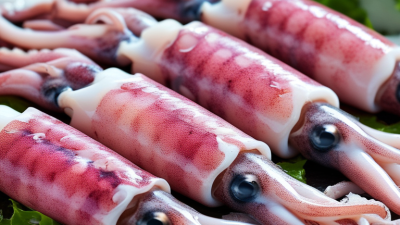
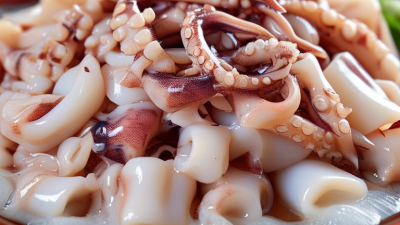
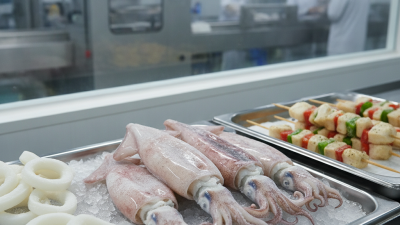
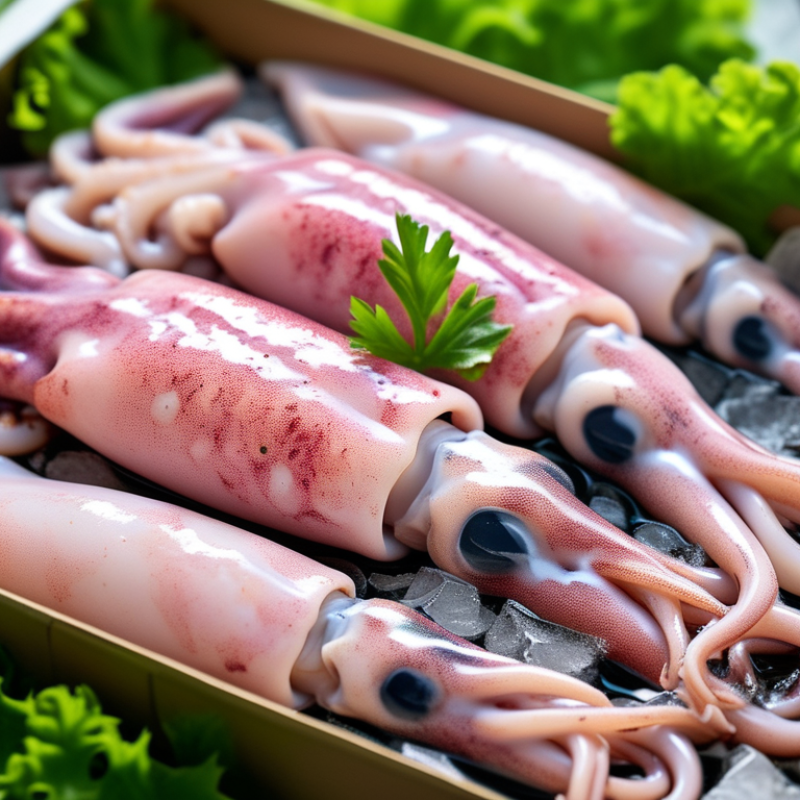
Before contacting suppliers, define the product as a measurable specification, not a menu description. Name the species and harvest origin. Loligo, Illex, and Dosidicus can differ after thawing. Specify whole cleaned tubes, rings, tentacles, or mixed cuts. State size by pieces per kilogram, such as 20/40 or 40/60. Small details matter.
Set net weight, sauce ratio, glaze allowance, drained weight, and tolerance. A practical draft might require 70% squid and 30% sauce, with declared allergens and additives. Define sauce color, viscosity, salt level, and pH where relevant. Do not assume “with sauce” means consistent coverage. The Codex Standard for Quick Frozen Raw Squid, CXS 191-1995, offers a useful quality baseline. Keep the product at -18°C or colder throughout storage and transport. FAO’s The State of World Fisheries and Aquaculture 2024 reported 185.4 million tonnes of aquatic-animal production in 2022, showing the scale of international seafood sourcing.
Request lot-level certificates for microbiology, heavy metals, foreign matter, and allergen controls. Include production date, shelf life, carton count, and traceability codes. FAO GLOBEFISH squid market updates from 2024 highlight changing supply and price conditions, so specifications should separate quality requirements from price discussions. One weak point remains: a laboratory result cannot prove perfect texture after a long voyage. Run pilot samples through thawing, reheating, and sauce-coverage checks. I would record failures honestly. That record may improve the next purchase.
Identify Reliable Global Suppliers and Production Regions
How to Source Frozen Squid With Sauce Globally?
Reliable sourcing begins with the production region, not the lowest quotation. Coastal China, Vietnam, India, Peru, and Argentina have established squid processing capacity. However, regional strength does not guarantee consistent quality.
Ask suppliers to identify the squid species, catch area, processing date, and freezing method. Species names should match the product specification and import documents.
Request recent laboratory reports for microbiological safety, heavy metals, allergens, and sauce ingredients. A serious supplier should provide HACCP records, factory audit results, and traceability documents.
Certification helps, but it is not proof of perfect performance.
Inspect the sauce separately.
Check salt level, viscosity, oil separation, and flavor stability after thawing. Small samples can reveal large problems.
The coating may look attractive in photographs but become watery after cooking. I would also compare carton weights, glazing percentage, and net product weight under controlled conditions. These details affect the real purchase cost.
Before signing, arrange a live factory video call or an independent inspection. Confirm cold-storage temperatures, loading procedures, and container practices. Suppliers serving regulated markets should explain how they meet applicable food import requirements.
Communication quality matters too. Delayed answers often signal weak production control, although this is not always true.
Even experienced buyers can overtrust certificates and overlook batch variation. A trial order, with retained samples and agreed specifications, creates better evidence than promises.
Verify Food Safety, Quality Standards, and Supplier Credentials
How to Source Frozen Squid With Sauce Globally?
Food safety verification should begin before price negotiations.
Ask suppliers for current facility licenses, HACCP plans, audit reports, and product specifications. Confirm that the processing site legally handles seafood and exports to your destination market. Certificates should include issuing bodies, inspection dates, scope, and expiry dates. A scanned certificate alone proves little.
Request laboratory results for each production lot. Tests may cover pathogens, heavy metals, allergens, additives, and chemical residues. Check the squid species, harvest area, sauce ingredients, net weight, glazing percentage, and storage temperature. Frozen products should normally remain at -18°C or colder throughout transport. Review temperature records, container seals, lot codes, and recall procedures. Traceability must connect the finished carton to raw materials and processing records.
Quality can change after approval.
A supplier may send excellent samples but ship inconsistent cartons later. Therefore, use independent pre-shipment inspections and retain sealed samples. Inspect squid texture, odor, sauce coverage, ice crystals, packaging damage, and label accuracy. Verify destination-country rules instead of relying on general export claims. One successful shipment is not enough evidence. I would also question unclear documents, even when deadlines are tight. That caution may delay purchasing, but weak verification can create larger losses, rejected cargo, or unsafe food.
Manage Sampling, Contracts, Cold Chain Logistics, and Delivery
How to Source Frozen Squid With Sauce Globally?
Manage Sampling, Contracts, Cold Chain Logistics, and Delivery
Sourcing frozen squid with sauce starts with a controlled sample, not a promising photograph. Request several lots with matching cut size, sauce ratio, glazing percentage, and net weight. Cook samples using the intended method. Check squid texture, sauce separation, odor, color, and salt level. Record results with photos and tasting notes. Ask for laboratory reports covering microbiological safety, allergens, additives, and species identification. A sample can pass once and still hide production variation.
Contracts should define measurable acceptance standards. Include size tolerance, drained weight, packaging strength, storage temperature, shelf life, labeling duties, and claim procedures. State who pays for testing, inspection, demurrage, and rejected cargo. Use clear delivery terms and require batch traceability. Vague language creates expensive arguments. I have seen buyers focus on price while overlooking sauce leakage and short remaining shelf life.
Cold chain control needs evidence at every handoff. Keep products frozen at or below -18°C, with calibrated data loggers inside selected cartons. Inspect container seals, pallet condition, and loading photographs before departure. Delivery teams should check temperature records before unloading. A single warm reading deserves investigation, not an automatic rejection. Routes may face port delays, power failures, or customs checks. Contingency storage must be arranged early. The process is not perfect. Even careful teams can miss one damaged carton. Rechecking remains worthwhile.