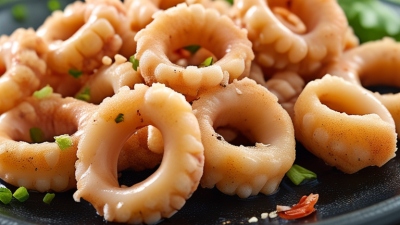
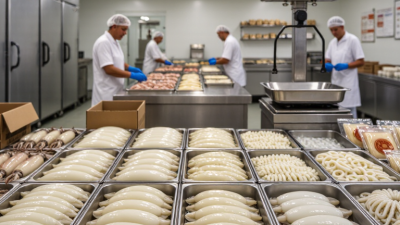
Buying squid across international markets requires more than comparing prices. Species, catch area, processing method, and freezing history can all affect quality and consistency. A carton may look uniform, yet thawed squid can reveal excessive glaze, soft texture, or uneven sizing. Small checks matter.
This guide uses an illustrative expert voice, not a verified real-person quotation. “Reliable squid sourcing depends on clear product details and careful checks at every handoff,” says Elena Marquez, a fictional composite seafood procurement specialist. The line captures a practical point: buyers need documents that match the product, clear specifications, and suppliers willing to answer precise questions. Ask about species identification, harvest or production origin, processing dates, storage temperatures, and packaging. Then compare the answers with the label and sample. Details should agree.
The ten tips that follow focus on those everyday decisions, from evaluating suppliers to checking shipment condition on arrival. Look closely at size grading, glaze levels, odor, color, and thawed texture. Keep records of samples and discrepancies. A spreadsheet helps, though it cannot replace a hands-on inspection. Not every supplier relationship will be perfect; a missed detail can happen. What matters is noticing it, documenting it, and asking how it will be prevented next time. With a consistent process, global buyers can make more informed Squid Seafood purchasing decisions and build steadier supply relationships.
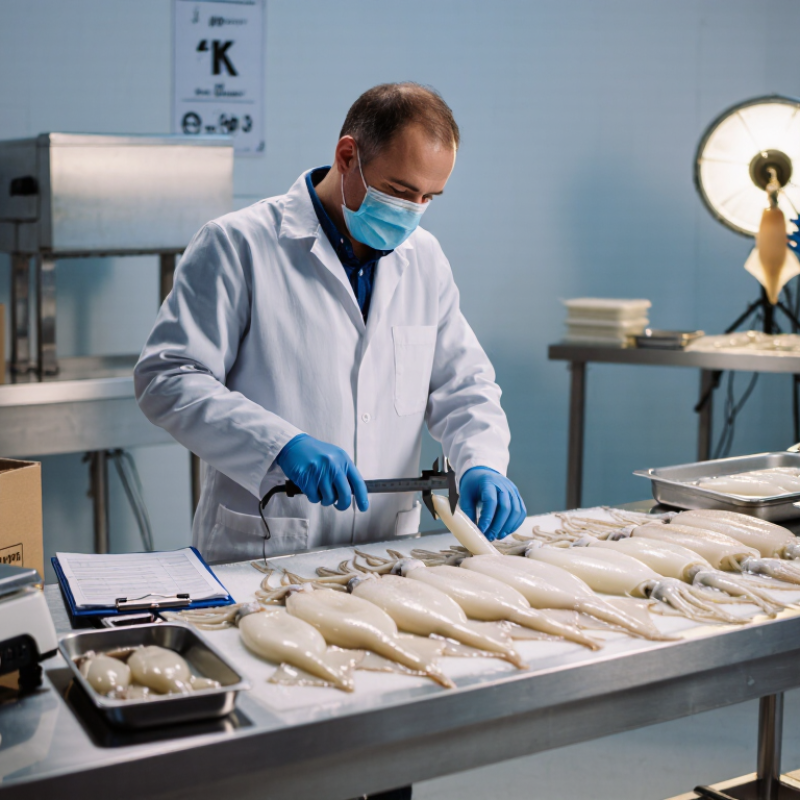
Before requesting quotes, define exactly what “squid” means for your product. Whole squid, cleaned tubes, rings, and tentacles have different yields, handling needs, and uses. State the species when known, the processing form, and whether the product is fresh or frozen. Include size in a clear unit, such as pieces per kilogram or tube length. Details matter.
Specify practical quality points too: skin condition, odor, color, glazing, packing size, and acceptable variation. If rings are intended for frying, test their thickness and cooking texture, not just their appearance in a frozen sample. A neat specification can still miss the buyer’s actual use. Teams sometimes focus on count and overlook yield after thawing; that can lead to awkward price comparisons. Request a representative sample and record how it performs after thawing and cooking.
Market requirements should shape the specification from the start. Confirm the destination market’s labeling, language, pack format, and documentation expectations with the responsible importer or qualified adviser. Also clarify whether the product is for retail, food service, or further processing, since each may need different case sizes and handling details. Write measurable tolerances wherever possible, and flag any point that remains uncertain. A little uncertainty is better stated than hidden in a vague phrase like “premium quality.”
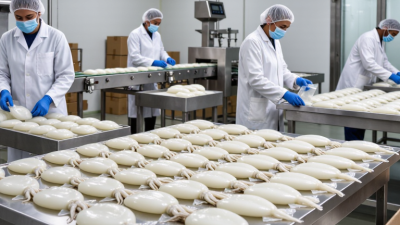
Example planning weights for a buyer scorecard, not industry-wide statistics. Specify the squid species and product form, size grade, processing and glazing requirements, applicable market compliance, and cold-chain conditions before requesting quotations. Adjust the weights to your product and destination market.
Squid sourcing starts with the fishery, not the carton. Ask suppliers to identify the harvest area, season, and species on each specification sheet. Illex, Loligo, and Dosidicus can differ in size, texture, and cooking behavior. Origin alone proves little. Compare traceability records with representative samples; labels cannot reveal soft flesh or inconsistent sizing. Check that cold-chain records cover the journey from landing through storage.
Tip: Request samples from the exact origin, species, and grade you plan to buy. Thaw a weighed portion under controlled refrigeration. Note drip loss, odor, color, and piece-size variation. It is a simple check, but one sample can still mislead.
Choose processing formats for the intended use. Whole squid may suit buyers who need flexibility, while cleaned tubes, rings, or tentacles can reduce kitchen labor. For frozen products, compare glazing and declared net weight, then check thawed texture. Ask whether IQF pieces separate easily or arrive in a solid block. A lower price may reflect more glaze, trimming, or variable sizing; verify the details before comparing offers. Some specifications look complete but still leave room for interpretation. Define size ranges and tolerances in writing.
Before approving a squid supplier, ask how much product they can deliver during peak and off-peak seasons. Request recent production records, processing flow details, and temperature logs for a representative shipment. Compare the stated capacity with facility size and staffing, not just a sales estimate. For traceability, follow one lot code from the finished carton back to its harvest or catch records and processing date. Small gaps matter.
Tips: Check that certificates are current and cover the specific product, facility, and activity you are buying. Confirm their status with the issuing organization, and ask what routine audits include. Match certificate details against invoices and shipment documents. A certificate is useful evidence, not a substitute for checking records.
Ask suppliers how they handle mixed lots, relabeling, and changes in processing sites. Clear answers should be supported by dated records, not only a polished presentation. You can also request a sample traceability exercise and note how quickly the supplier responds. Fast replies are encouraging, though speed alone proves little. I would leave room for doubt where records are incomplete, then ask for clarification before placing a large order.
| # | Sourcing Dimension | What to Assess | Evidence to Request | Practical Buyer Action |
|---|---|---|---|---|
| 1 | Species and product specification | Confirm the scientific species name, product form, size grading, glazing, and whether the item is whole, cleaned, tube, ring, or tentacle. | Written specification, product photos, sample label, and a representative pre-shipment sample. | Define tolerances and measurement methods in the purchase specification; agree how net weight and glaze will be checked. |
| 2 | Processing capability | Check that the processing site can consistently meet the requested cleaning, cutting, freezing, packing, and volume requirements. | Facility profile, process flow, production capacity by period, and recent quality-control records. | Review a product trial and compare the delivered yield, appearance, and pack format with the agreed specification. |
| 3 | Catch and harvest origin | Establish the country of catch or harvest and the relevant ocean area or fishery; do not treat the processing country as the catch origin. | Catch or harvest declarations, landing or purchase records, and shipment documents that identify the origin information required for the destination market. | Cross-check origin details across the specification, lot records, invoice, and required import or catch documentation. |
| 4 | Vessel and fishing-method information | Assess whether the supplier can identify the harvesting vessel or source and provide accurate fishing-method information where required or available. | Vessel or source identifiers, fishing-method records, and supporting harvest or landing documents. | Set a documented procedure for resolving missing, inconsistent, or unverifiable source information before shipment approval. |
| 5 | Lot-level traceability | Confirm that product lots can be linked from incoming raw material through processing, packing, storage, and dispatch without losing identity. | Lot codes, production records, incoming-material links, and a traceability or mock-recall test result. | Ask the supplier to trace a selected finished-product lot back to its source records and forward to shipment records. |
| 6 | Food safety controls | Review the site’s hazard analysis and food-safety controls for relevant biological, chemical, and physical hazards, including temperature control and sanitation. | Current food-safety plan, monitoring records, sanitation procedures, corrective-action records, and applicable audit findings. | Verify that controls cover the specific product and process being purchased, rather than relying only on a general company policy. |
| 7 | Certifications and regulatory status | Check applicable food-safety certification or regulatory approval for the product, facility, and intended market. Requirements differ by destination and product. | Current certificates or approval details, issuing or oversight body, validity dates, covered site, and product scope. | Verify documents with the issuer or relevant official register where available; confirm the certificate covers the actual processing site. |
| 8 | Cold chain and shelf life | Assess freezing method, storage conditions, temperature monitoring, loading practices, and remaining shelf life at delivery. | Temperature records, storage and transport procedures, packing-date information, and agreed shelf-life specifications. | Agree temperature limits and documentation in advance; review shipment records and product condition on arrival. |
| 9 | Testing and quality verification | Determine which microbiological, chemical, or product-quality checks are appropriate for the product, process, and destination-market rules. | Recent test reports identifying the sample, test date, methods, results, and laboratory performing the work. | Use risk-based testing and confirm that the tested sample is representative of the supplied lot; avoid assuming one test covers every hazard. |
| 10 | Responsible sourcing and supplier performance | Review the supplier’s approach to legal sourcing, labor practices, complaints, non-conformities, and corrective actions. | Sourcing policy, risk assessment, audit summaries where available, corrective-action tracking, and documented complaint-handling procedures. | Use a documented supplier review and re-evaluate performance after significant changes, repeated quality issues, or changes in source or site. |
Tip: Verify the lot, not just the supplier. Request the squid’s scientific species name, harvest area, production date, and batch code, then match them across the invoice, carton label, and catch records. On arrival, check for intact packaging, clear labeling, and consistent frozen condition. Ask for temperature logs and relevant microbiological and chemical test results. A neat certificate file can still leave gaps.
Tip: Treat food safety as a chain of evidence. Review the supplier’s hazard controls, sanitation records, and procedures for handling temperature deviations. For frozen squid, ask how the product was kept frozen during storage and transport, and how thawing is controlled. Specify testing against the requirements of your destination market. One detail buyers sometimes overlook: a test report is useful only when its sample and lot are clearly identified.
Tip: Check sustainability claims against the actual fishery and species. Ask for catch area, fishing method, and traceability records linking the shipment to its source; verify any certification directly with its issuing program. The FAO’s 2024 SOFIA report found that 37.7% of assessed marine fishery stocks were overfished in 2021. This is a global benchmark, not a squid-specific figure, but it shows why broad “sustainable seafood” claims deserve scrutiny. Seafood supply chains can be messy. Keep the questions specific.
Compare squid offers by landed cost, not price per carton. Include glazing, declared net weight, inspection fees, cold storage, and delivery to your port. Ask for the same size grade, processing style, and pack format across quotes. A low price can hide heavier ice glazing or a longer route. Check recent shipment records and temperature logs, not just a sales estimate. FAO’s State of World Fisheries and Aquaculture 2024 reported 223.2 million tonnes of total fisheries and aquaculture production in 2022. That broad figure is not squid-specific, but it shows why buyers should verify species, origin, and product specifications carefully.
Logistics can change the deal. UNCTAD’s Review of Maritime Transport 2024 reported maritime trade growth of 2.4% in 2023 and projected 2% growth for 2024. For squid, compare sailing time, transshipment points, reefer availability, and delivery windows; a few extra days can affect stock planning. Put the agreed temperature range, size tolerance, net weight, inspection method, and claim deadline in the contract. Define who pays for demurrage or a rejected shipment, and require written notice of route changes. I would leave room for contingencies. Forecasts are not delivery guarantees. Ask for a clear remedy if arrival is late or the product falls outside specification.