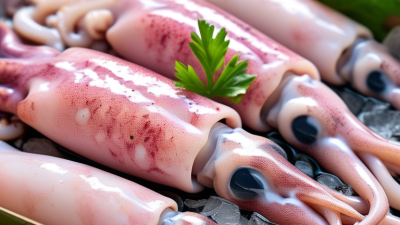
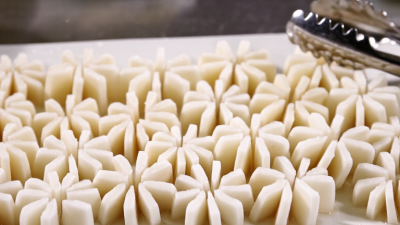
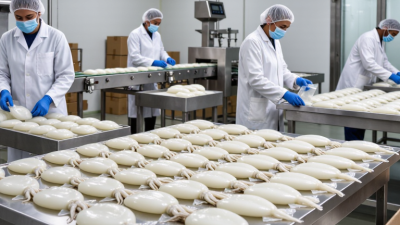
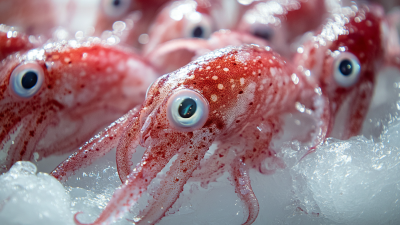
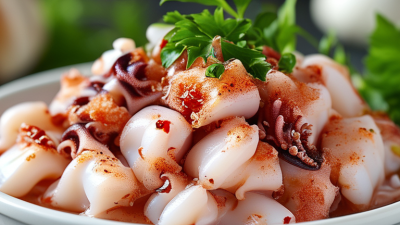
For wholesale buyers, Frozen Squid Tentacles are more than a line on a price sheet. Their value depends on steady supply, careful freezing, clear specifications, and consistent performance after thawing. A shipment may look uniform through the carton, yet vary in size, glaze, or texture once prepared. Small details matter.
“[Insert a verified quotation from a named frozen-squid industry expert.]”
That quotation should be checked against a reliable source before publication. I can’t responsibly invent an expert’s name or attribute a made-up statement to a real person.
This guide examines the practical checks buyers can make in 2026: product form, size grading, glazing, packaging, storage conditions, and documentation. It also considers how tentacles behave in real kitchens, from thawing on a chilled tray to cooking in a hot pan. Ask suppliers for current specifications and representative samples. Compare the stated net weight with the delivered product, and review how each lot is identified. Good paperwork helps, but it does not replace inspection.
There is no perfect shortcut. A lower quotation can hide differences in grading or handling, while a polished product sheet cannot guarantee every carton will match. Buyers should record what arrives, note defects, and discuss them with the supplier. That record supports better purchasing decisions—and more honest expectations.
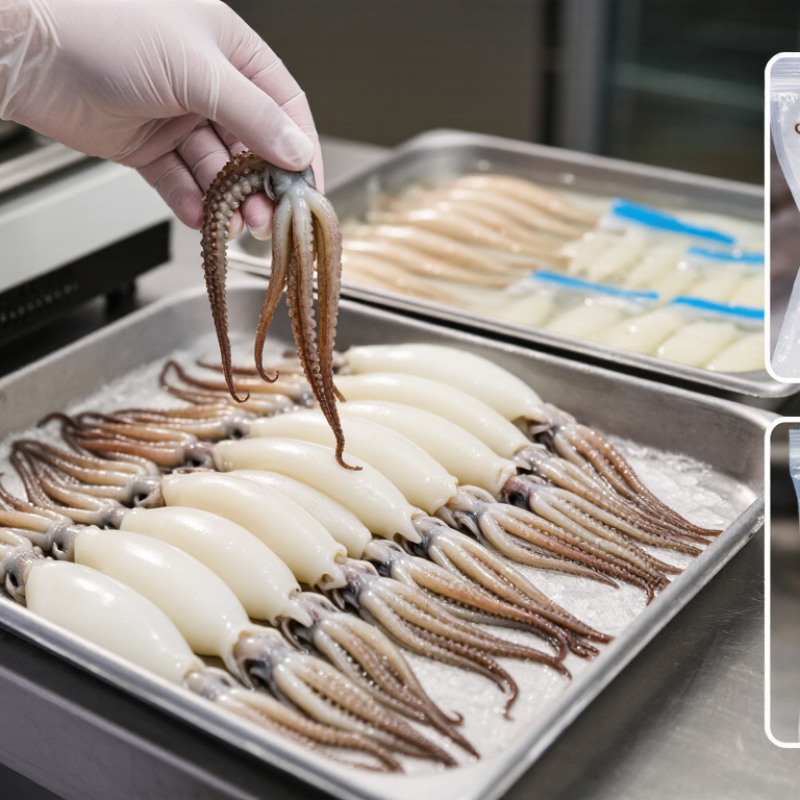
Squid tentacles are not a single, uniform commodity. They come from different species, fishing grounds, and processing practices. FAO’s 2022 fisheries statistics organize catches by species and area, offering useful context for buyers. They do not separately report tentacle-only trade. That distinction matters.
Species such as Argentine shortfin squid, jumbo flying squid, and Japanese flying squid can differ in size, texture, and seasonality. A carton of thick, curled tentacles may look appealing, but appearance alone cannot confirm species or origin. Ask suppliers for the scientific species name, harvest area, catch year, and freezing details. Check whether the product is raw or cooked, glazed or unglazed, and consistently sized. Small details matter. FAO data can help frame supply discussions, but it cannot verify a specific shipment.
Tips
Compare declared species with the product specification. Request lot-level traceability and temperature records. Inspect sample pieces for intact suckers, clean cuts, and freezer burn. Keep one question open: do size grades describe tentacle length, count, or weight? Those measures are not interchangeable.
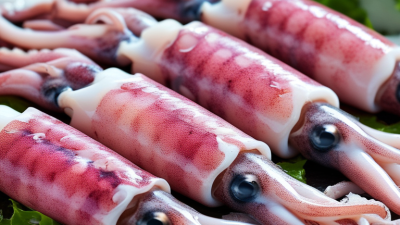
For wholesale buyers, Codex CXS 191-1995 needs careful interpretation. Its scope covers quick-frozen blocks of fish fillets, minced fish flesh, and mixtures of these products.
It is not a raw squid-tentacle grading table, and it does not assign grades to squid. That distinction matters. A supplier’s “Grade A” label alone does not demonstrate compliance with this standard. Check the product form and the current Codex text before using it as a benchmark.
For raw tentacles, compare documented species, size range, count per kilogram, appearance, odor, and handling records across suppliers. Then assess the frozen product separately: verify declared net weight, glaze information, packaging condition, and storage temperature.
Look for clean-cut surfaces and intact tips; crushed edges may signal rough handling, though they do not prove it. Keep sample photographs and record results by lot. Check the label.
Even careful checks leave room for disagreement, especially when natural size variation is wide. A buyer’s written specification should state acceptable limits clearly, rather than treating a general grade name as a precise measure.
Frozen squid tentacles can look uniform in a carton, yet sizing often varies after thawing. Ask suppliers to define size by count per kilogram or a stated weight range. A clear specification helps kitchens portion consistently and compare offers fairly. Small differences matter. Check sample packs from several cartons, not just the top layer. Photograph thawed pieces beside a ruler, then record the size spread and broken-tip rate.
Glaze protects the product, but it also affects the weight you pay for. Request the declared glaze percentage and net weight after glaze removal, alongside gross carton weight. Drain and weigh a sample using the same method for every quote. Otherwise, a lower price may hide less usable product. Keep thawing time and temperature consistent; warm handling can distort texture and weight. This check is easy to rush.
Agree on defect allowances before placing an order. Define which defects count, such as discoloration, crushed tentacles, or excessive skin. Separate cosmetic issues from defects that affect yield or product quality. Ask how claims are documented, including photos, lot codes, and response times. Then compare those terms with the sample you actually receive. A neat spreadsheet helps, but it cannot replace a cook test. Some batches still surprise you.
Wholesale buyers assessing frozen squid tentacles should treat temperature records as product evidence, not paperwork. Codex’s Code of Practice for the Processing and Handling of Quick Frozen Foods uses −18°C or colder as the benchmark for frozen storage. Ask suppliers for continuous temperature logs, freezer loading records, and shipping data. At receiving, inspect carton condition and check product temperature with a calibrated probe. Air temperature alone can mislead. The tentacles should remain hard frozen, with no wet cartons, heavy frost, or signs of thawing and refreezing. Small details matter.
The scale of seafood handling makes verification essential. FAO’s The State of World Fisheries and Aquaculture 2024 reports 185.4 million tonnes of aquatic animal production in 2022, underscoring the importance of dependable preservation across supply chains. That figure is not specific to squid, but it shows the wider context. A logger can miss a brief pause on a warm loading dock; one neat chart is not the whole story. Compare records with delivery times and loading notes, and investigate gaps before approving a shipment. Codex guidance is a useful technical benchmark, but buyers should also confirm the applicable requirements in their destination market.
| Buying dimension | Practical specification or benchmark | Wholesale verification |
|---|---|---|
| Product identity | Frozen squid tentacles; require the common name and scientific species name on the product specification and applicable label. | Match the species declaration across the label, invoice, lot records, and any required catch or import documents. |
| Cold-chain storage | Codex guidance for quick-frozen foods specifies storage at −18°C or colder. This is a storage benchmark, not a substitute for applicable national requirements. | Review continuous freezer records where available, transport temperature records, and receiving temperature readings. Investigate temperature excursions and evidence of thawing or refreezing. |
| Freezing presentation | Specify individually quick-frozen (IQF) or block-frozen product according to the intended use; these are different formats, not quality grades. | Check the purchase specification, carton label, and representative samples for consistency with the agreed format. |
| Size and grading | Set a buyer-defined count or weight range per kilogram, and define whether grading is based on individual tentacles, clusters, or pieces. There is no single universal size grade for all markets. | Sample multiple packs from the lot, weigh pieces using an agreed method, and record the distribution against the contract tolerance. |
| Glaze and declared net weight | If glazed, state the glaze percentage or the agreed net-weight basis clearly in the specification. Net-weight and glaze rules depend on the destination market. | Confirm the weighing method and applicable local rules; request a documented glaze or drained-weight check where relevant. |
| Appearance and condition | Agree acceptable limits for broken pieces, discoloration, dehydration, freezer burn, and excess ice. Limits should be specified in the sales contract rather than assumed to be universal. | Inspect a representative sample while frozen and after controlled thawing; photograph and document any defects against the agreed criteria. |
| Packaging and protection | Use food-contact packaging suitable for frozen storage, with sealed inner packs and outer cartons that protect the product during handling and transport. | Check seals, carton integrity, moisture damage, and legibility of required product and lot information on arrival. |
| Lot traceability | Each shipment should be identifiable by lot or batch code, production or packing date as applicable, product identity, and declared net quantity. | Verify that carton markings link to shipping and traceability records and can be followed through the receiving and inventory systems. |
| Food-safety documentation | Request documentation required by the destination market, such as applicable health certificates, import documents, and food-safety or hazard-control records. | Confirm document validity and consistency with the product, lot, country of origin, and shipment before dispatch or acceptance. |
| Receiving and storage plan | Have freezer capacity and receiving procedures ready to maintain the agreed frozen condition, with prompt transfer into suitable frozen storage. | Record arrival condition, temperature, lot codes, and any discrepancies; quarantine affected stock while claims or safety concerns are assessed. |
For wholesale buyers, the lowest price per carton can hide a poor yield. Compare offers by usable tentacle weight after thawing and draining, not just the frozen net weight. Ask suppliers for glaze percentage, size range, and the share of broken or undersized pieces. Run a small thaw test using the same method for each sample. Record the drained weight. Results can vary with handling, so one test is useful, not definitive.
Traceability should be practical to verify. Request lot-level records showing harvest area, processing location, production date, and cold-chain details. Match the lot code on the carton to its paperwork before accepting a shipment. If records are incomplete, pause and ask specific questions. A neat document is not proof by itself; the details should agree across labels and shipping records.
Calculate landed cost per usable kilogram, including freight, cold storage, insurance, and applicable import charges. Then divide that figure by the weight that remains usable after thawing and sorting. A slightly higher-priced offer may work out better if it has less breakage and steadier sizing. Still, kitchen trim habits differ, and a spreadsheet will not capture every shift in handling. Recheck the calculation with your own trial batch before placing a large order.