Inquiry
Form loading...

What Is the Best Way to Cook Frozen Squid?

Cooking Frozen Squid can be simple, but its texture changes quickly. Many cooks expect a tender, delicate bite and receive something rubbery instead. The difference usually comes from heat, timing, and moisture control. Squid contains little fat, so it cooks faster than many seafood products. A few extra minutes can make the flesh firm and chewy.

Keep it cold.

For reliable results, thaw the squid in the refrigerator overnight, then rinse it briefly and pat it completely dry. This practical step reduces excess water and helps the surface sear instead of steam. High-heat methods, such as quick frying or grilling, usually work best when cooking takes only a few minutes. Gentle braising can also succeed, but it requires enough liquid and time to soften the muscle fibers. The awkward middle zone often causes disappointment.

This guide compares the most dependable ways to cook frozen squid at home. It explains when thawing matters, how to judge doneness, and why cooking time should match the chosen method. Clean preparation and safe seafood handling remain essential. Use a food thermometer when appropriate, especially for thicker pieces or mixed seafood dishes. The exact timing may vary with cut size, cookware, and stove strength, so treat recipes as tested starting points rather than rigid rules. Even experienced cooks sometimes overcook squid. That mistake is useful, because it reveals how quickly this seafood responds to heat.
What Is the Best Way to Cook Frozen Squid?

Choosing the Right Cooking Method for Frozen Squid

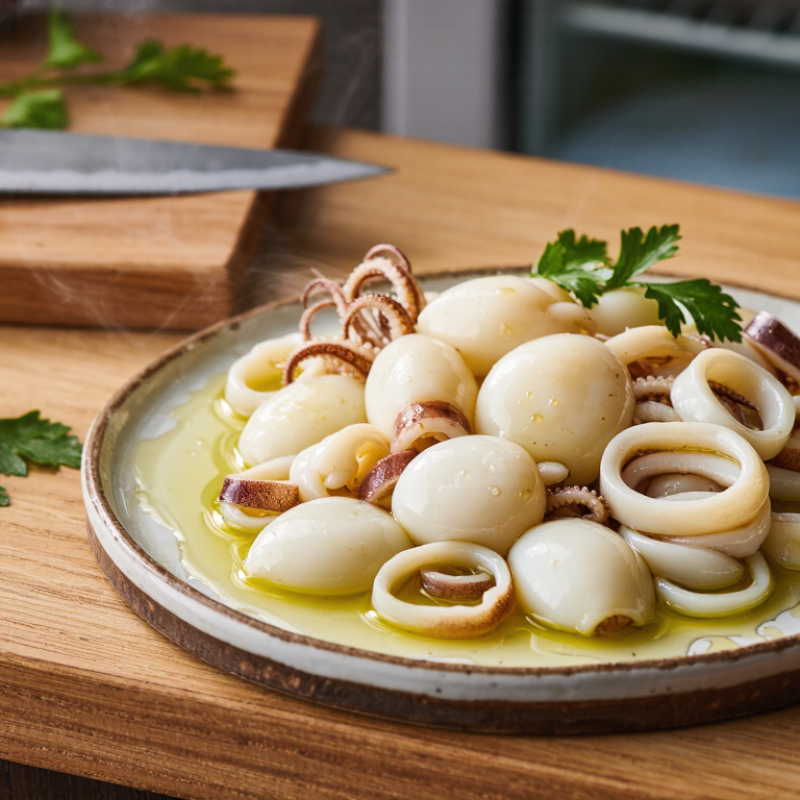
Frozen squid rewards a cooking method that matches the texture you want. For tender rings, quick cooking works best. Thaw the squid in the refrigerator, rinse away ice, and pat it very dry. Moisture causes steaming instead of browning. Heat a pan until very hot, then cook the squid briefly with oil, garlic, or vegetables. Two to three minutes is often enough. The flesh should turn opaque and feel springy.

For a softer, richer texture, choose slow cooking. Add thawed squid to a tomato sauce, soup, or seasoned braise after the liquid begins simmering. Cook gently for 30 to 45 minutes, checking the texture near the end. This method suits thick pieces and firm tentacles. Grilling is another option, but squid needs even thickness. Score the surface lightly, season it, and grill over strong heat for about two minutes per side.

Avoid cooking squid halfway for several minutes. That middle stage can make it rubbery. I learned this after serving a chewy batch that looked perfectly cooked. The mistake was trusting color alone. Squid should be opaque, firm, and thoroughly heated; food safety guidance commonly recommends 63°C for seafood. Frozen squid may release more water than fresh squid, so smaller batches usually brown better. I still sometimes overcook it when distracted, so a timer helps.
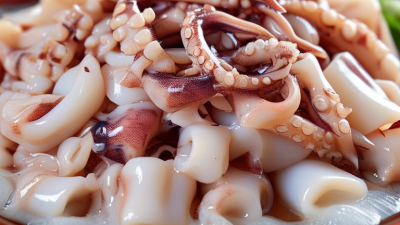
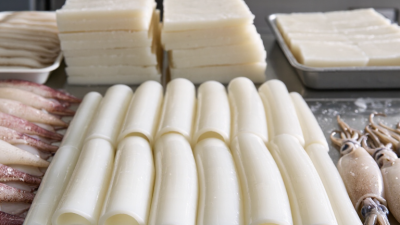
Preparing Frozen Squid Safely Before Cooking

What Is the Best Way to Cook Frozen Squid?

Preparing Frozen Squid Safely Before Cooking

Safe preparation starts before the pan becomes hot. Keep frozen squid in its original package until you are ready to thaw it. Thaw it overnight in the refrigerator, placed on a tray to catch drips. For faster preparation, seal the squid in a leakproof bag and place it in cold water. Change the water regularly. Never thaw seafood on the counter.

Check the package for cleaning instructions. Whole squid may still contain the transparent quill, beak, and internal organs. Remove these parts carefully, then rinse the squid briefly under cold running water if needed. Do not leave it soaking. Pat the pieces completely dry with paper towels. Moisture can cause dangerous splattering and prevents proper browning. Wash your hands, knife, board, and sink afterward.

Keep raw squid separate from vegetables and cooked food. A food thermometer gives more reliable guidance than appearance alone; squid should reach 145°F (63°C) and turn opaque and firm. I usually cut thick tubes into even rings, because uneven pieces cook at different speeds. I once rushed this step and produced rubbery edges with a cold center. That mistake still reminds me to check thickness before cooking. If the squid smells strongly sour, feels unusually slimy, or has damaged packaging, discard it. When thawed in the refrigerator, it may be refrozen, although the texture can suffer.

Step-by-Step Methods for Tender, Flavorful Squid

What Is the Best Way to Cook Frozen Squid?

Step-by-Step Methods for Tender, Flavorful Squid

Frozen squid becomes tender when you control moisture, heat, and cooking time. I usually thaw it overnight in the refrigerator. For a faster method, place the sealed squid in cold water. Never use warm water. Drain it well, then pat every piece dry with paper towels. Wet squid steams instead of browning.

For pan cooking, cut the squid into rings or leave small tubes whole. Heat a heavy pan until a drop of water sizzles. Add a little oil, then cook the squid in one layer. Keep the heat high. Cook for about 60 to 90 seconds per side. The flesh should turn opaque and curl lightly. Remove it immediately. Crowded squid releases water, so cook in batches. I sometimes rush this step, and the texture suffers.

A gentle simmer offers a softer result. Add squid to seasoned broth, cover the pot, and cook over low heat for 25 to 35 minutes. Test a thick piece with a fork. It should feel tender, not rubbery. Grilling also works after drying the squid. Brush it lightly with oil, add garlic or lemon zest, and grill for two minutes per side. Avoid heavy sauces at the start. They can hide the squid’s natural flavor and make browning difficult. Fresh herbs, chili, and lemon are better added after cooking.

What Is the Best Way to Cook Frozen Squid? - Step-by-Step Methods for Tender, Flavorful Squid

Cooking Method Best Cut Preparation Heat and Time Expected Texture Flavor Tips
Quick Sauté Rings and small pieces Thaw in the refrigerator, drain, and pat completely dry. Season just before cooking. Medium-high heat; about 1–2 minutes per side Tender, lightly browned, and springy Use a hot pan, avoid overcrowding, and finish with lemon, garlic, parsley, or chili.
Grilling Whole tubes, tentacles, and thick pieces Thaw, rinse if needed, pat dry, and lightly coat with oil. Score thick tubes if desired. High heat; about 2–3 minutes per side Tender with lightly charred edges Marinate briefly with olive oil, citrus, herbs, or paprika. Cook quickly to prevent toughness.
Deep-Frying Rings and bite-size pieces Thaw and dry thoroughly. Coat with seasoned flour, cornstarch, or a light batter. Oil at approximately 175–185°C (350–365°F); fry for 1–3 minutes Crisp outside and tender inside Fry in small batches and drain on a rack or paper towels. Serve immediately.
Poaching Whole tubes and tentacles Thaw and place in gently simmering water, seafood stock, or wine with aromatics. Gentle simmer; about 30–60 seconds for small pieces Soft and delicate when removed promptly Add bay leaf, garlic, peppercorns, or lemon peel to the poaching liquid.
Braising or Stewing Large tubes and thick pieces Thaw, clean, and cut into uniform pieces. Brown briefly before adding liquid. Low simmer; approximately 30–45 minutes Very tender and suitable for sauces Use tomato, coconut, or wine-based sauces. Keep the simmer gentle to reduce moisture loss.
Oven Roasting Stuffed tubes or mixed seafood portions Thaw, dry, season, and place in a lightly oiled baking dish. Avoid packing pieces too tightly. 200°C (400°F); approximately 8–12 minutes Tender if cooked briefly; firm if overbaked Add breadcrumbs, herbs, vegetables, or a light tomato sauce. Check early because ovens vary.
Key Cooking Rule: Squid is usually best cooked very quickly or slowly for a longer period. Cooking it for an intermediate time can make it chewy.
Safe Thawing: Thaw frozen squid in the refrigerator, or place it in a sealed bag in cold water. Do not thaw seafood at room temperature. Cook until the flesh is opaque and firm, and follow the storage instructions on the package.

Timing and Temperature Guidelines for Different Cuts

What Is the Best Way to Cook Frozen Squid?

Frozen squid cooks best when timing matches the cut. Thaw rings and tentacles overnight in a refrigerator, then pat them very dry. A hot skillet, around 400–450°F, helps prevent steaming.

Cook thin rings for 60–90 seconds per side. Tentacles usually need two to three minutes. Whole tubes require about four to six minutes, depending on thickness. The squid should turn opaque and curl slightly.

The FDA Food Code (2022) lists 145°F for 15 seconds as a safe seafood cooking standard. Use a clean probe in the thickest section, though small squid can be difficult to measure accurately. USDA seafood guidance also supports 145°F as a minimum internal temperature.

For a softer braised texture, cook thicker tubes gently in sauce for 30–45 minutes. Frozen squid releases more water than fresh squid, so crowding the pan often ruins browning.

I still sometimes overcook the tentacles when working quickly. That mistake matters. They become chewy before the center feels hot.

The FAO Globefish seafood market reports identify squid as a widely traded frozen product, making consistent thawing and portion control important in professional kitchens. Temperature helps, but cut size changes everything.

Common Mistakes That Make Squid Tough or Rubbery

What Is the Best Way to Cook Frozen Squid?

Common Mistakes That Make Squid Tough or Rubbery

Frozen squid can become tender, but careless timing changes everything. Thaw it slowly in the refrigerator, then rinse away any ice crystals. Pat the pieces completely dry. Wet squid steams instead of searing. That small mistake can leave pale, chewy rings.

I used to cook squid over medium heat for several minutes. It seemed gentle, but the texture became rubbery. Squid usually needs either very fast cooking or a long, gentle braise. For a quick method, heat the pan until a drop of water sizzles immediately. Add a thin layer of oil, then cook the squid in a single layer for about 60 to 90 seconds per side. Remove it when the flesh turns opaque and the edges curl slightly. Do not overcrowd the pan.

Overcooking is not the only problem. Cutting thick pieces unevenly creates mixed textures, with some parts tough and others still cold. Leaving the skin and fins attached is fine, but clean the cavity carefully. Add salt shortly before cooking, not hours earlier, because prolonged seasoning can draw out moisture. Acidic marinades need restraint. Lemon juice can firm the surface and hide the squid’s natural sweetness. I sometimes still cook it too long when distracted, so I now prepare the sauce first and keep a plate nearby for immediate removal.

What Is the Best Way to Cook Frozen Squid?

Frozen squid is most tender when cooked either very quickly or slowly for a longer period. The middle cooking window is more likely to produce a tough, rubbery texture.

Practical guide: Sauté, grill, or stir-fry thawed squid for about 1–2 minutes, or braise it gently for roughly 30–60 minutes until tender. Avoid holding squid in the intermediate 5–15 minute range. For food safety, cook seafood to an internal temperature of 145°F (63°C).